Hydrochloric Acid → H-Phe-Met-OMe.HCl
Reaction equation

[NH:1](C(OC(C)(C)C)=O)[C@H:2]([C:10]([NH:12][C@H:13]([C:18]([O:20][CH3:21])=[O:19])[CH2:14][CH2:15][S:16][CH3:17])=[O:11])[CH2:3][C:4]1[CH:9]=[CH:8][CH:7]=[CH:6][CH:5]=1.C1(OC)C=CC=CC=1.[ClH:37]>CCOC(C)=O.CCCCCC>[NH2:1][C@H:2]([C:10]([NH:12][C@H:13]([C:18]([O:20][CH3:21])=[O:19])[CH2:14][CH2:15][S:16][CH3:17])=[O:11])[CH2:3][C:4]1[CH:9]=[CH:8][CH:7]=[CH:6][CH:5]=1.[ClH:37]Participants
6
Reactant 3

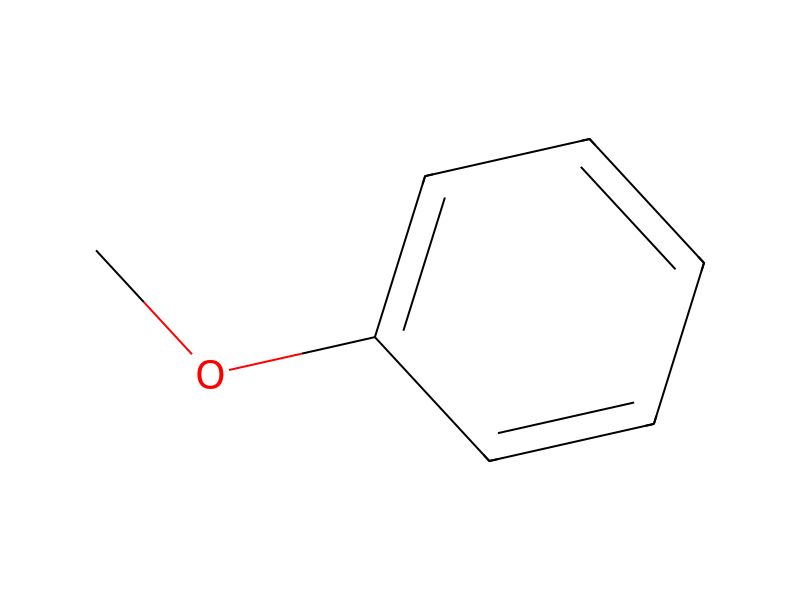

Product 1

Reagents, catalysts & solvents 2


Procedure
To an ice cold solution of 16.42 g of Boc-Phe-Met-OCH3 and 21.7 ml of anisole in 200 ml of EtOAc was introduced hydrogen chloride for 30 min. Evaporation of the solution gave a residue which was dissolved in 100 ml of EtOAc and diluted with 400 ml of hexane to give H-Phe-Met-OCH3.HCl which was used without further purification.
Workup
- customEvaporation of the solution
- customgave a residue which
Sources & evidence
- ORD record
- ord-dae1a4c4532a49828fb65d87d2f9eabb
- Source dataset
- uspto-grants-1981_03
- Patent number
- US04254024
Reaction notes
Loading…