Sodium Carbonate → 5-(2-Chloro-6-methyl-pyridin-3-yl)-2,4-dimethoxy-pyrimidine
Reaction equation

[CH3:1][O:2][C:3]1[N:8]=[C:7]([O:9][CH3:10])[C:6](I)=[CH:5][N:4]=1.[Cl:12][C:13]1[C:18](B(O)O)=[CH:17][CH:16]=[C:15]([CH3:22])[N:14]=1.C([O-])([O-])=O.[Na+].[Na+].C1C=CC(P(C2C=CC=CC=2)C2C=CC=CC=2)=CC=1>C(O)CC.CC([O-])=O.CC([O-])=O.[Pd+2]>[Cl:12][C:13]1[C:18]([C:6]2[C:7]([O:9][CH3:10])=[N:8][C:3]([O:2][CH3:1])=[N:4][CH:5]=2)=[CH:17][CH:16]=[C:15]([CH3:22])[N:14]=1Participants
7
Reactant 4




Product 1

Reagents, catalysts & solvents 2

Procedure
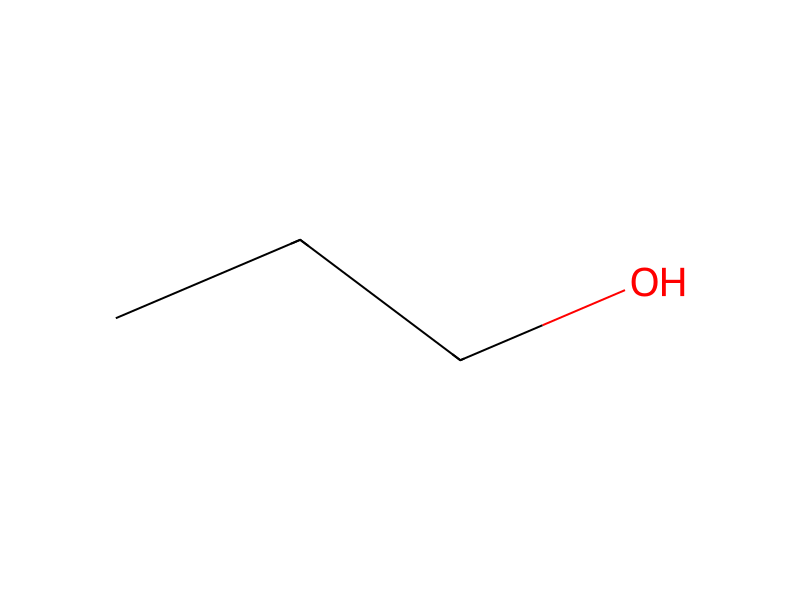
2,4-Dimethoxy-5-iodopyrimidine (957 mg, 3.59 mmol) was dissolved in degassed n-PrOH (18 ml) and then 2-chloro-6-methylpyridine-3-boronic acid (923 mg, 5.39 mmol), Na2CO3 (761 mg, 7.2 mmol), PPh3 (94 mg, 0.35 mmol) and Pd(OAc)2 (40 mg) were added. The suspension was stirred at reflux for 3 hours. The solvent was evaporated under vacuum and the crude was partitioned between water and DCM. The organic phase was dried (Na2SO4) and evaporated to give the title compound that was used without further purification in the next step (quantitative yield).
Workup
- temperatureat reflux for 3 hours
- customThe solvent was evaporated under vacuum
- customthe crude was partitioned between water and DCM
- dry with materialThe organic phase was dried (Na2SO4)
- customevaporated
Sources & evidence
- ORD record
- ord-a4c85c3e9498464ba3062577b6f704f4
- Source dataset
- uspto-grants-2010_06
- Patent number
- US07727988B2
Reaction notes
Loading…