3,4-dihydro-2H-pyran → HCID 18411442, compound
Reaction equation

S(=O)(O)[O-].[Na+].[Cl:6][C:7]1[CH:8]=[C:9]([CH:12]=[CH:13][CH:14]=1)[CH:10]=[O:11].[C-]#N.[Na+].[O:18]1[CH:23]=[CH:22][CH2:21][CH2:20][CH2:19]1.C1(C)C=CC(S([O-])(=O)=O)=CC=1.[NH+:35]1C=CC=C[CH:36]=1>O.C(OCC)(=O)C>[Cl:6][C:7]1[CH:8]=[C:9]([CH:10]([O:11][CH:23]2[CH2:22][CH2:21][CH2:20][CH2:19][O:18]2)[C:36]#[N:35])[CH:12]=[CH:13][CH:14]=1Participants
Reactant 5


Product 1

Reagents, catalysts & solvents 2


Procedure
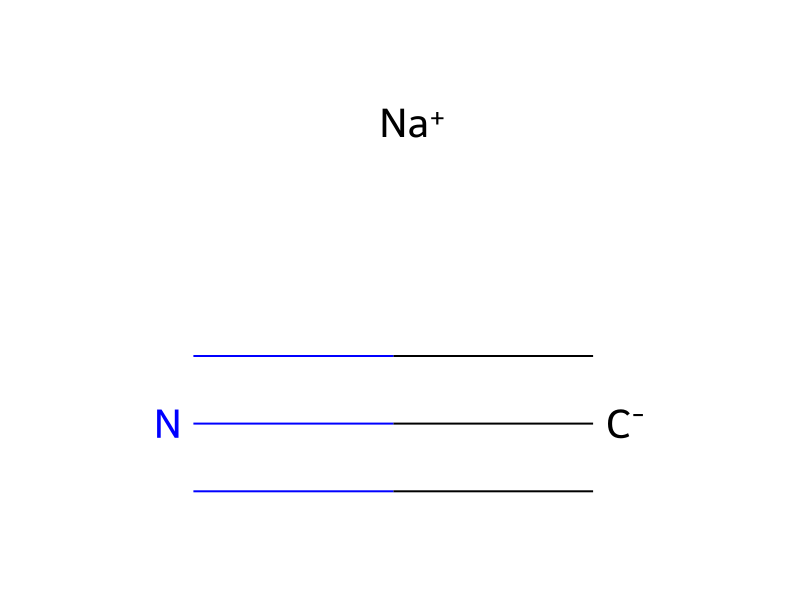
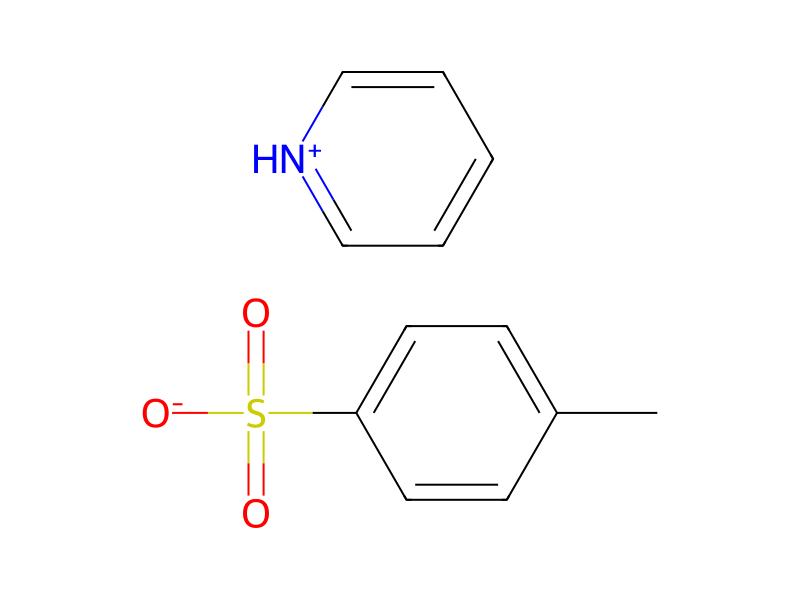
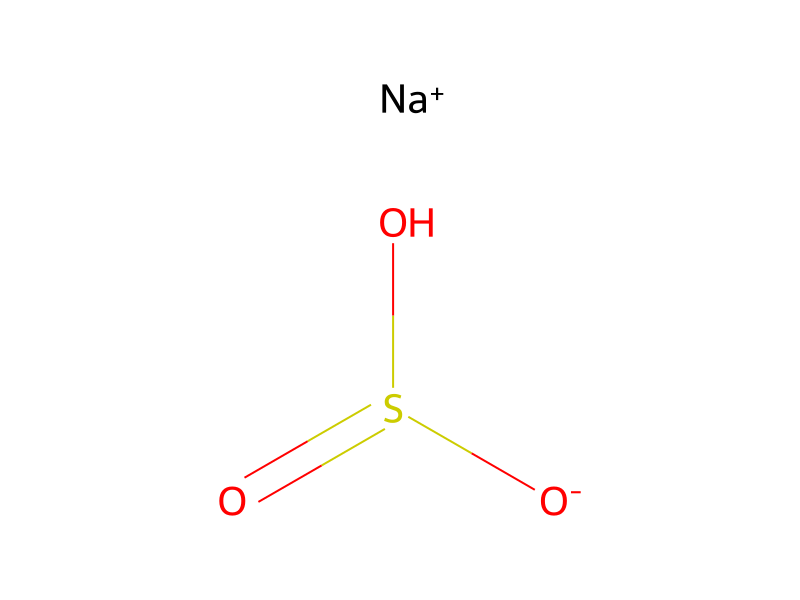
To a solution of sodium bisulfite (27.66 g, 0.266 mol) in water (120 mL) was added 3-chlorobenzaldehyde (25.0 g, 0.178 mol). After stirring for 20 min, a solution of sodium cyanide (12.4 g, 0.2525 mol) in water (80 mL) was added dropwise. Ethyl acetate (50 mL) was added and the resulting mixture was stirred for another 3 h. The organic layer was collected, washed with brine, dried (sodium sulfate), filtered and evaporated to dryness. The residue was dissolved in dichloromethane (200 mL) and cooled in ice. Dihydropyran (20.62 g, 0.2451 mol) and pyridinium p-toluene sulfonate (6.5 g, 25.9 mmol) were then added successively and the mixture was stirred at room temperature for 16 h. The organic layer was successively washed with water (50 mL), 5% sodium bisulfite solution (2×50 mL) and brine (50 mL). The organic fraction was dried (sodium sulfate), filtered and evaporated to give an oil. Purification by column chromatography on silica gel using a mixture of hexane and ethyl acetate (95/5) as eluant afforded 31.5 g (70%) of 2-(3-chlorophenyl)-2-[(tetrahydropyran-2-yloxy)]acetonitrile (mixture of diastereoisomers) as a clear oil which was contaminated with <5% of 3-chlorobenzaldehyde. 1H-NMR (CDCl3) δ7.30-7.60 (m, 4H, Ar-H), 5.59 (s, 0.3H, αH) and 5.41 (s, 0.7H, αH), 5.12 (t, J=2.9 Hz, 0.3H, OCHO) and 4.77 (t, J=2.9 Hz, 0.7H, OCHO), 3.60-4.05 (m, 2H, CH2O), 1.50-2.06 (m, 6H, 3 CH2). Small pieces of sodium (192 mg, 7.9 mmol) was added to anhydrous ethanol (200 mL) under a positive pressure of nitrogen at room temperature. After all the sodium had dissolved, 2-(3-chlorophenyl)-2-[(tetrahydropyran-2-yloxy)]acetonitrile (19.54 g, 77.6 mmol) was added neat and the contents of the flask was rinsed with ethanol (20 mL) and added to the reaction mixture. The progess of the reaction can be monitored by TLC using a mixture of hexane and ethyl acetate (1/1) as solvent system. After stirring for 16 h, the reaction mixture was cooled to ca. -40° C. (dry ice-methanol-water) and an ethanolic solution of ammonia (77.6 mL of a 2M solution, 0.1552 mol) was quickly added followed by solid ammonium chloride (4.02 g, 75.15 mmol). The reaction mixture was allowed to warm to room temperature overnight. The reaction mixture was filtered over a pad of celite. The filtrate was collected and evaporated to dryness and then pumped under high vacuum to afford 2-(3-chlorophenyl)-2-(tetrahydropyran-2-yloxy)acetamidine hydrochloride (23 g) as a white foam in almost quantitative yield. 1H-NMR (CDCl3) δ9.00-9.80 (br., 1H, NH), 8.00-8.80 (br., 1H, NH), 7.30-7.64 (m, 3H, Ar-H), 5.85 (s, 0.4H, αH) and 5.75 (s, 0.6H, αH), 4.84 (t, J=3.3 Hz, 0.4H, OCHO) and 4.57 (t, J=3.3 Hz, 0.6H, OCHO), 3.41-3.83 (m, 2H, CH2O), 2.20-2.60 (br., 1H, NH), 1.46-1.86 (m, 6H, 3 CH2).
Workup
- stirringthe resulting mixture was stirred for another 3 h
- customThe organic layer was collected
- washwashed with brine
- dry with materialdried (sodium sulfate)
- filtrationfiltered
- customevaporated to dryness
- dissolutionThe residue was dissolved in dichloromethane (200 mL)
- temperaturecooled in ice
- stirringthe mixture was stirred at room temperature for 16 h
- washThe organic layer was successively washed with water (50 mL), 5% sodium bisulfite solution (2×50 mL) and brine (50 mL)
- dry with materialThe organic fraction was dried (sodium sulfate)
- filtrationfiltered
- customevaporated
- customto give an oil
- customPurification by column chromatography on silica gel using
- additiona mixture of hexane and ethyl acetate (95/5) as eluant
Sources & evidence
- ORD record
- ord-07121a6a69b84a39a60e33ff8e51cdcd
- Source dataset
- uspto-grants-2000_12
- Patent number
- US06162791
Reaction notes
Loading…