3,4-dihydro-2H-pyran → 2-((4-Nitrobenzyl)oxy)tetrahydro-2H-pyran
Reaction equation

[N+:1]([C:4]1[CH:11]=[CH:10][C:7]([CH2:8][OH:9])=[CH:6][CH:5]=1)([O-:3])=[O:2].[O:12]1[CH:17]=[CH:16][CH2:15][CH2:14][CH2:13]1.C([O-])(O)=O.[Na+]>C(OCC)(=O)C.C12(CS(O)(=O)=O)C(C)(C)C(CC1)CC2=O>[O:12]1[CH2:17][CH2:16][CH2:15][CH2:14][CH:13]1[O:9][CH2:8][C:7]1[CH:6]=[CH:5][C:4]([N+:1]([O-:3])=[O:2])=[CH:11][CH:10]=1Participants
6
Reactant 3



Product 1

Reagents, catalysts & solvents 2

Procedure
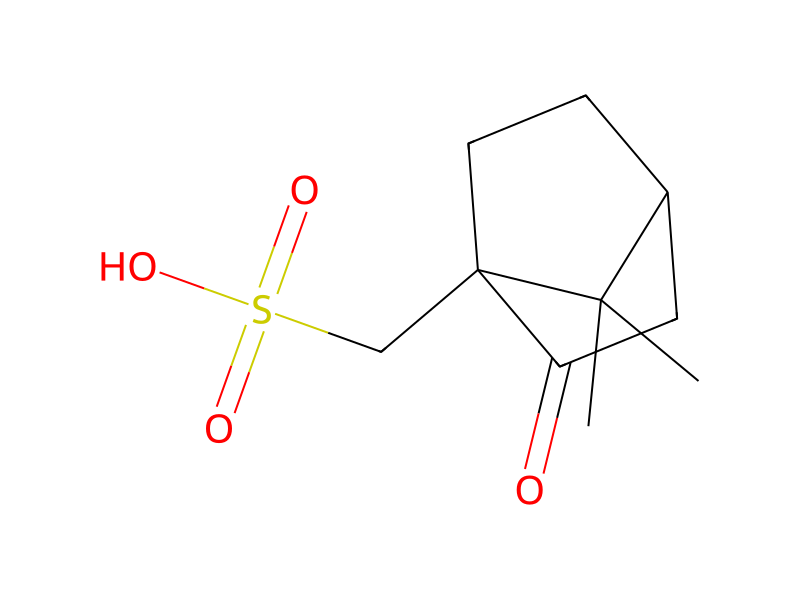
To a solution of 4-nitrobenzylalcohol (50 g, 0.326 mol) in ethyl acetate (EtOAc) (200 ml) were added 3,4-dihydropyran (35.7 ml, 0.392 mol) and CSA (camphor sulfonic acid) (379 mg, 1.63 mmol) under stirring at room temperature, and the mixture was stirred at room temperature for 1 hour. After the reaction completed, the reaction mixture was neutralized with saturated NaHCO3 solution and separated ethyl acetate layer was dried with MgSO4 and concentrated under reduced pressure. The residue was purified with silica gel column chromatography to give 4-(2-tetrahydropyranyloxymethyl)nitrobenzene (74.5 g, 96%) as syrup.
Workup
- stirringthe mixture was stirred at room temperature for 1 hour
- customseparated ethyl acetate layer
- dry with materialwas dried with MgSO4
- concentrationconcentrated under reduced pressure
- customThe residue was purified with silica gel column chromatography
Sources & evidence
- ORD record
- ord-eba750070cc84e5097b144ca25a7ba3d
- Source dataset
- uspto-grants-2000_12
- Patent number
- US06166006
Reaction notes
Loading…