Ammonia → HCID 21503359, compound
Reaction equation

[NH2-].[Na+].[Cl:3][C:4]1[CH:17]=[CH:16][C:15]2[S:14][C:13]3[C:8](=[CH:9][CH:10]=[CH:11][CH:12]=3)[NH:7][C:6]=2[CH:5]=1.N.[I-].[K+].Cl[CH2:22][CH:23]1[CH:28]2[CH2:29][CH2:30][N:25]([CH2:26][CH2:27]2)[CH2:24]1>C1(C)C(C)=CC=CC=1.CN(C)C=O>[Cl:3][C:4]1[CH:17]=[CH:16][C:15]2[S:14][C:13]3[C:8](=[CH:9][CH:10]=[CH:11][CH:12]=3)[N:7]([CH2:22][CH:23]3[CH:28]4[CH2:29][CH2:30][N:25]([CH2:26][CH2:27]4)[CH2:24]3)[C:6]=2[CH:5]=1Participants
8







Procedure
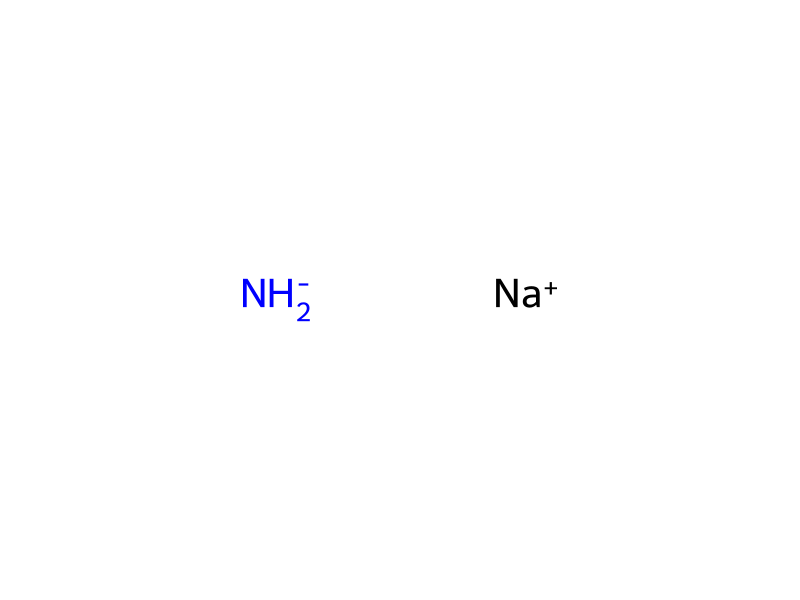
3 ml of a 35% suspension of sodium amide in xylene were added to a suspension of 7 g of 2-chloro-phenothiazine in 100 ml of anhydrous xylene. The mixture was agitated and heated to reflux. When evolution of ammonia ceased (20 hours), a solution of 0.35 g of potassium iodide in 2.3 ml of dimethylformamide was added to the reaction mixture all at once and 34 ml of a 7% solution of 3-chloromethyl-quinuclidine in xylene were then added over a period of an hour. Refluxing of the reaction mixture was continued for 32 hours. After cooling, the reaction mixture was worked up as in Example 2. After recrystallisation of the crude product in in isopropyl oxide, 2-chloro-10-(3-quinuclidinyl-methyl)-phenothiazine, m.p. 122° C, was obtained.
Workup
- temperatureheated to reflux
- custom(20 hours)
- additionwere then added over a period of an hour
- temperatureRefluxing of the reaction mixture
- temperatureAfter cooling
- customAfter recrystallisation of the crude product in in isopropyl oxide, 2-chloro-10-(3-quinuclidinyl-methyl)-phenothiazine, m.p. 122° C
- customwas obtained
Sources & evidence
- ORD record
- ord-31c6566d9ee84a32952f311246bb1acc
- Source dataset
- uspto-grants-1976_10
- Patent number
- US03987042
Reaction notes
Loading…