Triethylamine → HCID 136351296, compound
Reaction equation

[CH3:1][C@@:2]([C:26]([OH:28])=[O:27])([CH2:4][CH2:5][C:6]([NH:8][C@@H:9]([CH2:14][CH2:15][C:16]1[N:20]([CH2:21][C:22]([O:24][CH3:25])=[O:23])[N:19]=[N:18][N:17]=1)[C:10]([O:12][CH3:13])=[O:11])=[O:7])[NH2:3].[CH3:29][C:30]1[NH:39][C:38](=[O:40])[C:37]2[C:32](=[CH:33][C:34]3[CH2:43][CH2:42][CH:41]([N:44]([C:48]4[CH:56]=[CH:55][C:51]([C:52](O)=[O:53])=[CH:50][CH:49]=4)[CH2:45][C:46]#[CH:47])[C:35]=3[CH:36]=2)[N:31]=1.P(C#N)(=O)(OCC)OCC.C(N(CC)CC)C>CN(C=O)C.C(OCC)(=O)C>[CH3:29][C:30]1[NH:39][C:38](=[O:40])[C:37]2[C:32](=[CH:33][C:34]3[CH2:43][CH2:42][CH:41]([N:44]([C:48]4[CH:49]=[CH:50][C:51]([C:52]([NH:3][C@:2]([CH3:1])([C:26]([OH:28])=[O:27])[CH2:4][CH2:5][C:6]([NH:8][C@@H:9]([CH2:14][CH2:15][C:16]5[N:20]([CH2:21][C:22]([O:24][CH3:25])=[O:23])[N:19]=[N:18][N:17]=5)[C:10]([O:12][CH3:13])=[O:11])=[O:7])=[O:53])=[CH:55][CH:56]=4)[CH2:45][C:46]#[CH:47])[C:35]=3[CH:36]=2)[N:31]=1Participants
Reactant 4



Product 1

Reagents, catalysts & solvents 2


Conditions
- Temperature
- 0 °C
Procedure
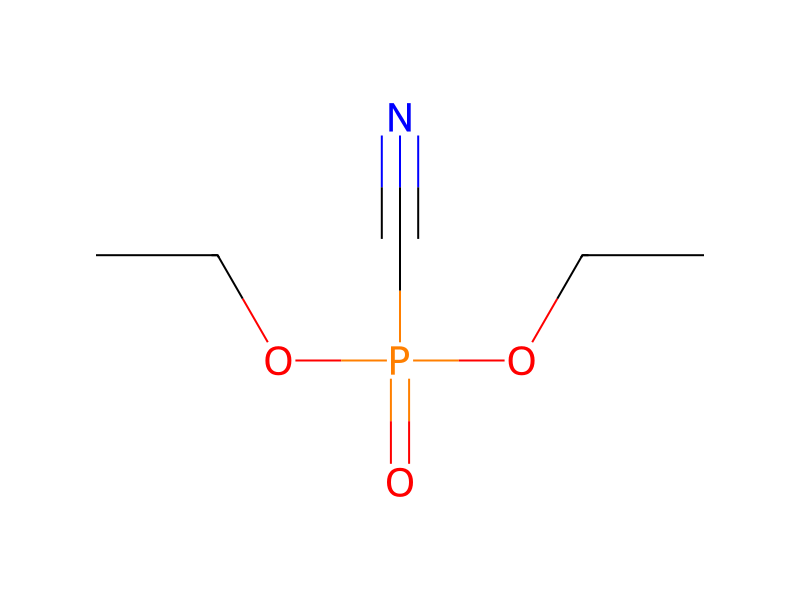
To a stirred solution of methyl (2S)-2-[N-(α-methyl-L-γ-glutamyl) amino]-4-(1-methoxycarbonylmethyltetrazol-5-yl)butyrate (0.220 g, 0.575 mmol) in anhydrous DMF (3.5 ml) cooled to 0° C. under nitrogen was added p-[N-((6RS)-2-methyl-4-oxo-3,4,7,8-tetrahydro-6H-cyclopenta[g]quinazolin-6-yl)-N-(prop-2-ynyl)amino]benzoic acid (0.171 g, 0.46 mmol), prepared as described in Example 13(5), followed by diethyl phosphorocyanidate (0.164 g, 1.01 mmol) and triethylamine (0.102 g, 1.01 mmol) to give a clear solution after about 1 minute. The reaction mixture was stirred at 0° C. for 10 minutes, the ice-bath was then removed and stirring was continued for 21/2 hours under nitrogen before being partitioned between ethyl acetate (80 ml) and water (80 ml). The two layers were separated and the aqueous layer was washed with ethyl acetate (2×80 ml). The organics were combined and succesively washed with 10% aqueous citric acid (80 ml), saturated aqueous sodium bicarbonate (80 ml) and dilute brine (80 ml), dried (Na2SO4) and concentrated in vacuo to a yellow glass. This was dissolved in dichloromethane-methanol and to this solution silica gel (Merck Art 7734, 1.2 g) was added. The solvents were removed in vacuo to give a free running powder which was placed on a silica gel column made up in ethyl acetate. Elution of the column with ethyl acetate (~100 ml) and then with a gradient of methanol in chloroform (2 to 3%) afforded a pale yellow solid which reprecipitated from dichloromethane (10 ml)-methanol (2 ml)/hexanes to give the title compound as a white solid (0.143 g). Because of the low yield, the initial aqueous washing and the citric acid washings, obtained during the work-up, were combined and then extracted with ethyl acetate (2×150 ml), dried (Na2SO4) and concentrated in vacuo to give methyl (2S)-2-{N-{N-{p[N-((6RS)-2-methyl-4-oxo-3,4,7,8-tetrahydro-6H-cyclopenta[g]quinazolin-6-yl)-N-(prop-2-ynyl)-amino]benzoyl}-α-methyl-L-γ-glutamyl}amino}-4-(1-methoxycarbonylmethyltetrazol-5-yl)butyrate as a white solid. Purification as described above afforded an additional 0.060 g of the product, m.p. 197°-200° C.;
Workup
- customprepared
- customto give a clear solution after about 1 minute
- customthe ice-bath was then removed
- stirringstirring
- custom2 hours
- custombefore being partitioned between ethyl acetate (80 ml) and water (80 ml)
- customThe two layers were separated
- washthe aqueous layer was washed with ethyl acetate (2×80 ml)
- washsuccesively washed with 10% aqueous citric acid (80 ml), saturated aqueous sodium bicarbonate (80 ml) and dilute brine (80 ml)
- dry with materialdried (Na2SO4)
- concentrationconcentrated in vacuo to a yellow glass
- dissolutionThis was dissolved in dichloromethane-methanol and to this solution silica gel (Merck Art 7734, 1.2 g)
- additionwas added
- customThe solvents were removed in vacuo
- customto give a free running powder which
- washElution of the column with ethyl acetate (~100 ml)
- customwith a gradient of methanol in chloroform (2 to 3%) afforded a pale yellow solid which
- customreprecipitated from dichloromethane (10 ml)-methanol (2 ml)/hexanes
Sources & evidence
- ORD record
- ord-86865902d40f44f690888e5c81773b5e
- Source dataset
- uspto-grants-1998_05
- Patent number
- US05747499
Reaction notes
Loading…