1,2-Dichloroethane → HCID 9838248, compound
Reaction equation

C(O[C:6]([NH:8][CH:9]1[CH2:14][CH2:13][C:12]([CH3:15])=[CH:11][CH2:10]1)=[O:7])(C)(C)C.FC(F)(F)C(O)=O.[Cl:23]CCCl.O(C([NH:36][C:37]1[CH:42]=[CH:41][N:40]=[CH:39][CH:38]=1)=O)C1C=CC=CC=1>C1(OC)C=CC=CC=1.ClCCl.C(N(CC)CC)C>[ClH:23].[CH3:15][C:12]1[CH2:13][CH2:14][CH:9]([NH:8][C:6]([NH:36][C:37]2[CH:42]=[CH:41][N:40]=[CH:39][CH:38]=2)=[O:7])[CH2:10][CH:11]=1Participants
Reactant 4



Product 1

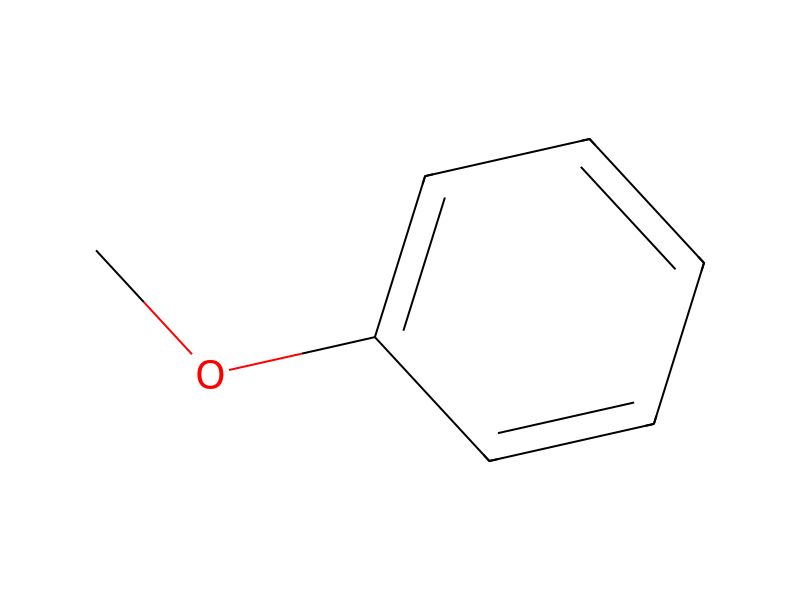
Reagents, catalysts & solvents 3


Conditions
- Temperature
- 0 °C
Procedure
To a solution of 1-tert-butoxycarbonylamino-4-methylcyclohex-3-ene (0.18 g) in a mixture of anisole (0.18 ml) and dichloromethane (0.36 ml) was added trifluoroacetic acid (0.54 ml) at 0° C. and the mixture was allowed to stir at 0° C. for 1 hour. Evaporation gave a residue, which was taken up into 1,2-dichloroethane (5 ml). To the mixture were added triethylamine (0.6 ml) and 4-phenoxycarbonylaminopyridine (0.183 g), and the resultant mixture was heated to 75° C. for 6 hours. Evaporation gave a residue, which was chromatographed on silica gel (50 ml) eluting with 7% methanol in dichloromethane, and taken up into a solution of hydrogen chloride in ethyl acetate (4N, 2 ml). Evaporation under reduced pressure and trituration with diisopropyl ether gave N-(4-methylcyclohex-3-en-1-yl)-N′-(pyridin-4-yl)urea hydrochloride (0.144 g).
Workup
- customEvaporation
- customgave a residue, which
- customEvaporation
- customgave a residue, which
- customwas chromatographed on silica gel (50 ml)
- washeluting with 7% methanol in dichloromethane
- customEvaporation under reduced pressure and trituration with diisopropyl ether
Sources & evidence
- ORD record
- ord-05a4f7b9831741f88ea6255a1a1a4432
- Source dataset
- uspto-grants-2007_07
- Patent number
- US07241811B2
Reaction notes
Loading…