2-Methylcyclohexylamine → HCID 21101758, compound
Reaction equation

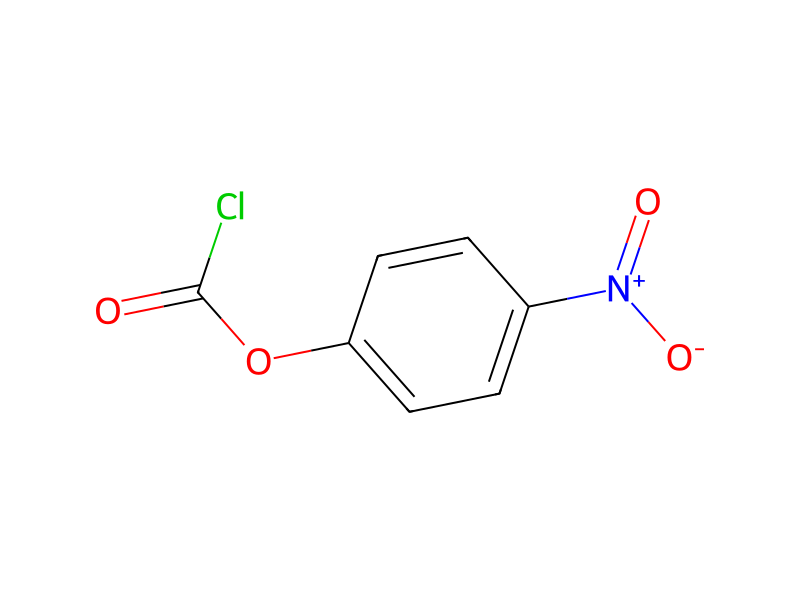
[CH3:1][CH:2]1[CH2:7][CH2:6][CH2:5][CH2:4][CH:3]1[NH2:8].Cl[C:10](OC1C=CC([N+]([O-])=O)=CC=1)=[O:11].C(N(C(C)C)CC)(C)C.[Cl:31][C:32]1[CH:41]=[C:40]2[C:35]([C:36]([N:42]3[CH2:47][CH2:46][NH:45][CH2:44][CH2:43]3)=[CH:37][CH:38]=[N:39]2)=[CH:34][CH:33]=1>C(Cl)Cl.CO>[Cl:31][C:32]1[CH:41]=[C:40]2[C:35]([C:36]([N:42]3[CH2:47][CH2:46][N:45]([C:10]([NH:8][CH:3]4[CH2:4][CH2:5][CH2:6][CH2:7][CH:2]4[CH3:1])=[O:11])[CH2:44][CH2:43]3)=[CH:37][CH:38]=[N:39]2)=[CH:34][CH:33]=1Participants
6





Procedure
As described for example 78, 2-methylcyclohexylamine (170 mg, 1.5 mmol), 4-nitrophenyl chloroformate (302 mg, 1.5 mmol), diisopropyl(ethyl)amine (469 mg, 3.7 mmol), and 7-chloro-4-(piperazin-1-yl)quinoline (248 mg, 1.0 mmol) are reacted affording the title product after flash chromatography with CH2Cl2-MeOH.
Workup
- customare reacted
Sources & evidence
- ORD record
- ord-ca97c0a2a400429c9eb9fc2e4001a5ef
- Source dataset
- uspto-grants-2007_05
- Patent number
- US07220856B2
Reaction notes
Loading…