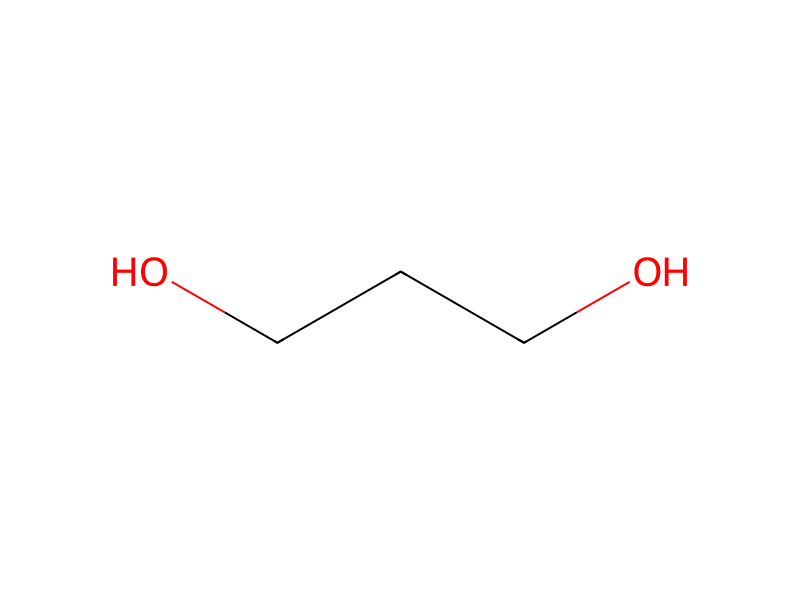
1,3-Propanediol → HCID 17984761, compound
Reaction equation

[Br:1][C:2]1[N:3]=[N:4][C:5](Br)=[CH:6][CH:7]=1.C(P(C(C)(C)C)C(C)(C)C)(C)(C)C.C(=O)([O-])[O-].[K+].[K+].C(O)CCO.[S:33]1[CH:37]=[CH:36][C:35](B(O)O)=[CH:34]1.[OH-].[Na+]>C([O-])(=O)C.[Pd+2].C([O-])(=O)C.O1CCOCC1>[Br:1][C:2]1[N:3]=[N:4][C:5]([C:35]2[CH:36]=[CH:37][S:33][CH:34]=2)=[CH:6][CH:7]=1Participants
9
Reactant 6




Product 1

Reagents, catalysts & solvents 2


Procedure
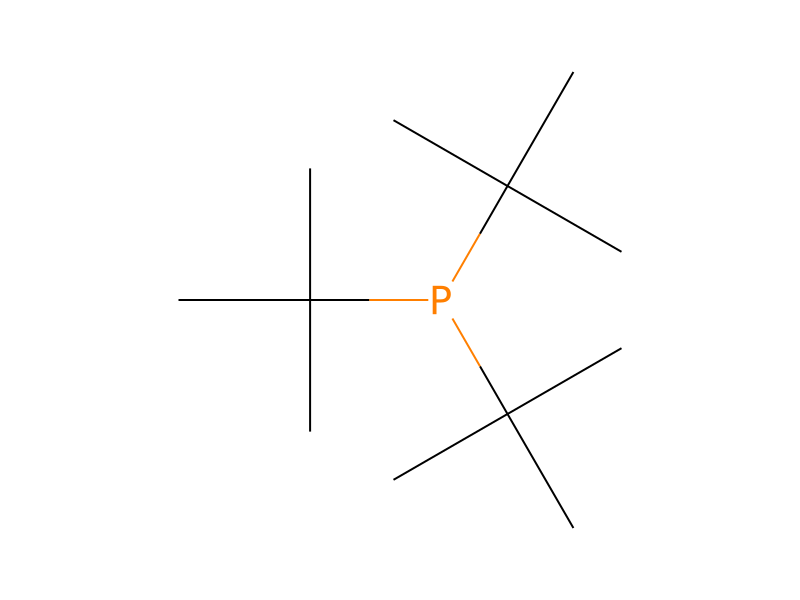
A mixture of 3,6-dibromo-pyridazine (8.45 g, 35.5 mmol), palladacycle (0.66 g, 0.71 mmol), palladium acetate (0.16 g, 0.71 mmol), tri-tert-butylphosphine (0.35 ml, 1.42 mmol), aqueous potassium carbonate (2 M, 107 mmol), 1,3-propanediol (7.7 ml, 107 mmol) and 1,4-dioxane (100 ml) was stirred at reflux for 1 hour. 3-Thienyl boronic acid (5.0 g, 39.0 mmol) was added and the mixture was stirred at reflux for 7 days. Aqueous sodium hydroxide (50 ml, 1M) was added and the mixture was extracted with ethyl acetate (2×100 ml). Chromatography on silica gel with ethyl acetate:petroleum (1:3) as solvent gave the title compound. Yield 1.5 g (18%).
Workup
- temperatureat reflux for 1 hour
- stirringthe mixture was stirred
- temperatureat reflux for 7 days
- extractionthe mixture was extracted with ethyl acetate (2×100 ml)
Sources & evidence
- ORD record
- ord-55f1a3f289984f0bbcf960bbf373d546
- Source dataset
- uspto-grants-2007_05
- Patent number
- US07223753B2
Reaction notes
Loading…