Ammonium Chloride → HCID 131723398, compound
Reaction equation

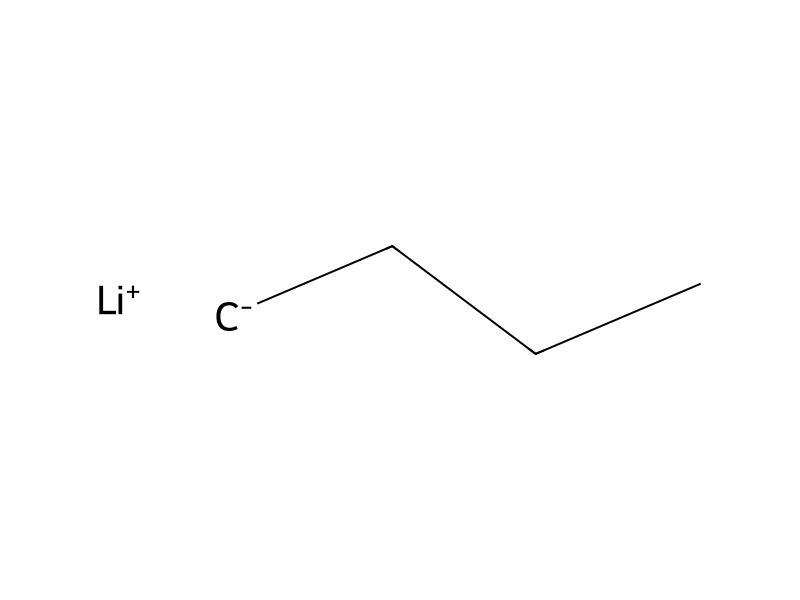
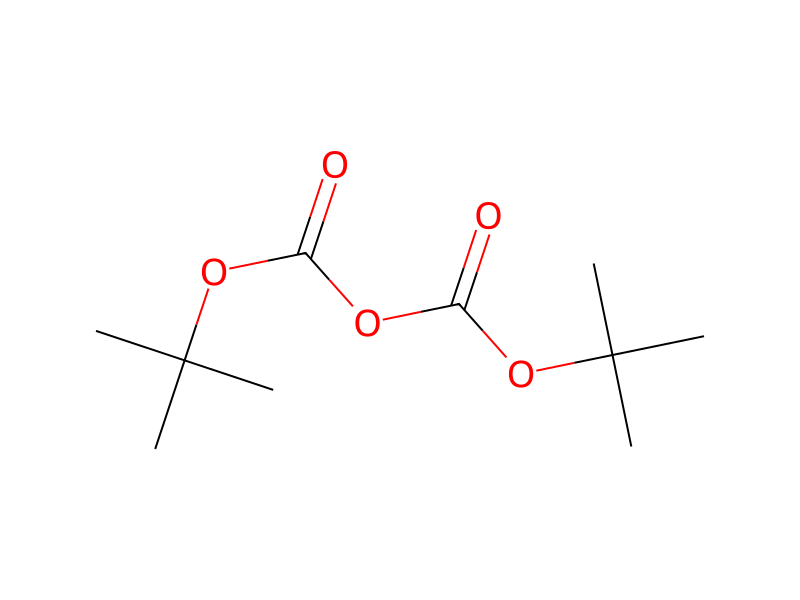
I[C:2]1[C:11]([CH:12]=[O:13])=[CH:10][C:9]2[C:4](=[CH:5][CH:6]=[CH:7][CH:8]=2)[N:3]=1.[CH:14]([Mg]Br)=[CH2:15].[Li+].CCC[CH2-].[C:23]([O:30]C(OC(C)(C)C)=O)([O:25][C:26]([CH3:29])([CH3:28])[CH3:27])=[O:24].[Cl-].[NH4+]>C1COCC1.CC(OC)(C)C>[N:3]1[C:4]2[C:9](=[CH:8][CH:7]=[CH:6][CH:5]=2)[CH:10]=[C:11]([CH:12]([OH:13])[CH:14]=[CH2:15])[CH:2]=1.[C:26]([O:25][C:23](=[O:24])[O-:30])([CH3:29])([CH3:28])[CH3:27]Participants
Reactant 5



Product 1

Reagents, catalysts & solvents 2


Procedure
To a solution of 2-iodo-3-quinoline carboxaldehyde (3 g, 10.6 mmol) in THF (25 ml) at −5° C., vinylmagnesium bromide (1 M solution, 10.8 ml, 10.8 mmol) was added. It was stirred at that temperature until the starting material disappears, which takes about one hour. N-butyllithium (8.5 ml, 2.5 M soln, 21.2 mmol) was added and the solution was stirred for another 25 min and then quenched with t-butanol (1.63 g, 22 mmol, only the C-2 anion is being quenched). Then a solution of di-tert-butyl dicarbonate (2.54 g, 11.6 mmol) was added and the solution was stirred for 2 h at −5° C. The reaction was then worked up with MTBE (60 ml) and 10% ammonium chloride solution (25 ml). The organic layer washed again with saturated NaCl solution and it was concentrated to an orange oil which crystallised on standing at 0° C. overnight. It was used as such for alkylation experiments. Yield=2.8 g (92.7%)
Workup
- stirringthe solution was stirred for another 25 min
- customquenched with t-butanol (1.63 g, 22 mmol
- customonly the C-2 anion is being quenched)
- stirringthe solution was stirred for 2 h at −5° C
- washThe organic layer washed again with saturated NaCl solution and it
- concentrationwas concentrated to an orange oil which
- customcrystallised
- waiton standing at 0° C. overnight
Sources & evidence
- ORD record
- ord-b5bfa501923d4ccfa06d3a93fbb43e2b
- Source dataset
- uspto-grants-2003_06
- Patent number
- US06579986B2
Reaction notes
Loading…