Trifluoroacetic acid → HCID 86757211, compound
Reaction equation

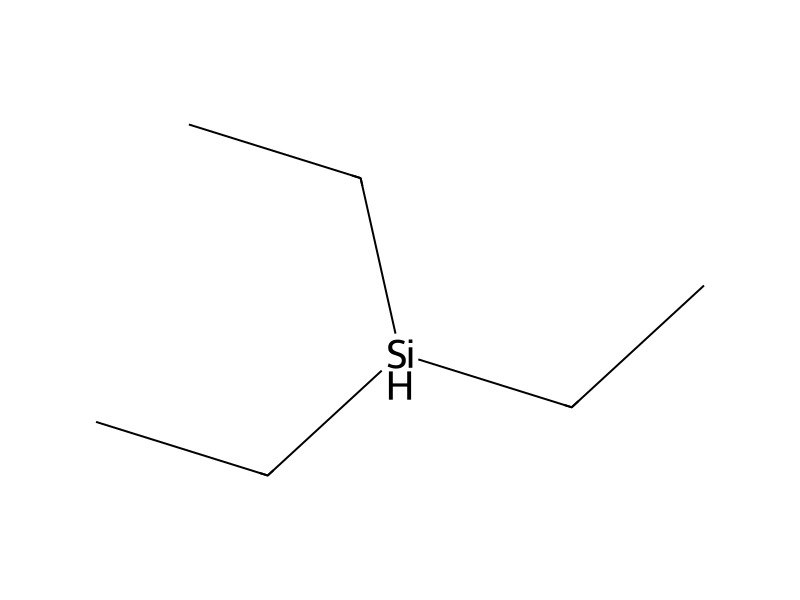
[H-].[H-].[H-].[H-].[Li+].[Al+3].[N:7]1([CH2:12][CH2:13][O:14][C:15]2[CH:20]=[CH:19][C:18]([C:21]([C:23]3[C:24]4[CH:45]=[CH:44][CH:43]=[CH:42][C:25]=4[S:26][C:27]=3[C:28]3[CH:33]=[CH:32][C:31]([O:34][CH2:35][CH2:36][N:37]4[CH2:41][CH2:40][CH2:39][CH2:38]4)=[CH:30][CH:29]=3)=O)=[CH:17][CH:16]=2)[CH2:11][CH2:10][CH2:9][CH2:8]1.C([SiH](CC)CC)C.[C:53]([OH:59])(C(F)(F)F)=[O:54].[C:60]([O-:63])([OH:62])=O.[Na+]>C1COCC1>[C:53]([OH:59])(=[O:54])[C:60]([OH:63])=[O:62].[C:53]([OH:59])(=[O:54])[C:60]([OH:63])=[O:62].[N:37]1([CH2:36][CH2:35][O:34][C:31]2[CH:30]=[CH:29][C:28]([C:27]3[S:26][C:25]4[CH:42]=[CH:43][CH:44]=[CH:45][C:24]=4[C:23]=3[CH2:21][C:18]3[CH:17]=[CH:16][C:15]([O:14][CH2:13][CH2:12][N:7]4[CH2:8][CH2:9][CH2:10][CH2:11]4)=[CH:20][CH:19]=3)=[CH:33][CH:32]=2)[CH2:38][CH2:39][CH2:40][CH2:41]1Participants






Conditions
- Temperature
- 0 °C
Procedure
A slurry of 45 mg of LiAlH4 in 10 mL of THF was cooled to 0° C. and was treated with a solution of 200 mg (0.37 mmol) of 2-[4-[2-(1-pyrrolidinyl)ethoxy]phenyl]benzo[b]thiophen-3-yl 4-[2-(1-pyrrolidinyl)ethoxy]phenyl ketone (Part D) in 5 mL of THF. The reaction was stirred at 0° C. for 2 h and was quenched by the sequential addition of 1 mL of H2O, 1 mL of 2 N aq NaOH, and 1 mL of H2O. The two layers were separated and the aqueous layer was extracted with EtOAc (3×10 mL). The combined organic layers were washed with 25 mL of brine, dried over K2CO3, and evaporated in vacuo. The residue was taken up in 10 mL of CH2Cl2, cooled to 0° C., and treated with 0.47 mL (2.94 mmol) of triethylsilane. After stirring at 0° C. for 6 h, the reaction was treated with 0.3 mL (3.9 mmol) of TFA, followed by an additional 16 h of stirring at 0° C. The reaction mixture was poured into 10 mL saturated aq NaHCO3 and the two layers were separated. The aqueous layer was extracted with CH2Cl2 (2×10 mL). The combined organic layers were dried over K2CO3 and evaporated in vacuo to give 233 mg of an oil which was purified by radial chromatography (SiO2; gradient 2-10% MeOH in CH2Cl2) to afford 158 mg (0.30 mmol; 81%) of the title compound as the free base. Conversion to the dioxalate salt was effected by the procedure detailed in Example 1, Part C.
Workup
- customwas quenched by the sequential addition of 1 mL of H2O, 1 mL of 2 N aq NaOH, and 1 mL of H2O
- customThe two layers were separated
- extractionthe aqueous layer was extracted with EtOAc (3×10 mL)
- washThe combined organic layers were washed with 25 mL of brine
- dry with materialdried over K2CO3
- customevaporated in vacuo
- temperaturecooled to 0° C.
- stirringAfter stirring at 0° C. for 6 h
- waitfollowed by an additional 16 h
- stirringof stirring at 0° C
- customthe two layers were separated
- extractionThe aqueous layer was extracted with CH2Cl2 (2×10 mL)
- dry with materialThe combined organic layers were dried over K2CO3
- customevaporated in vacuo
Sources & evidence
- ORD record
- ord-6c6119ef5d2f411e965f6a3b9d85b18a
- Source dataset
- uspto-grants-2001_07
- Patent number
- US06265575B1
Reaction notes
Loading…