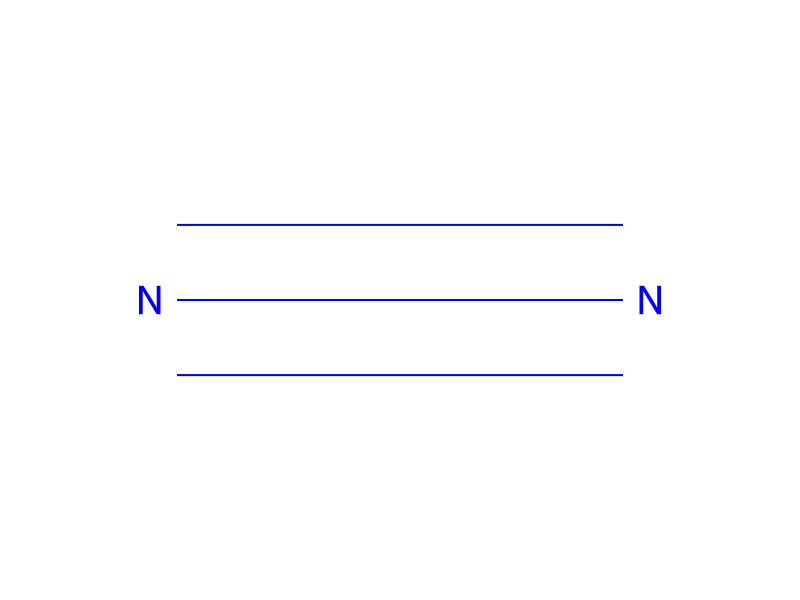
Nitrogen → Methyl 2-(4-cyano-3-fluorophenyl)propanoate
Reaction equation

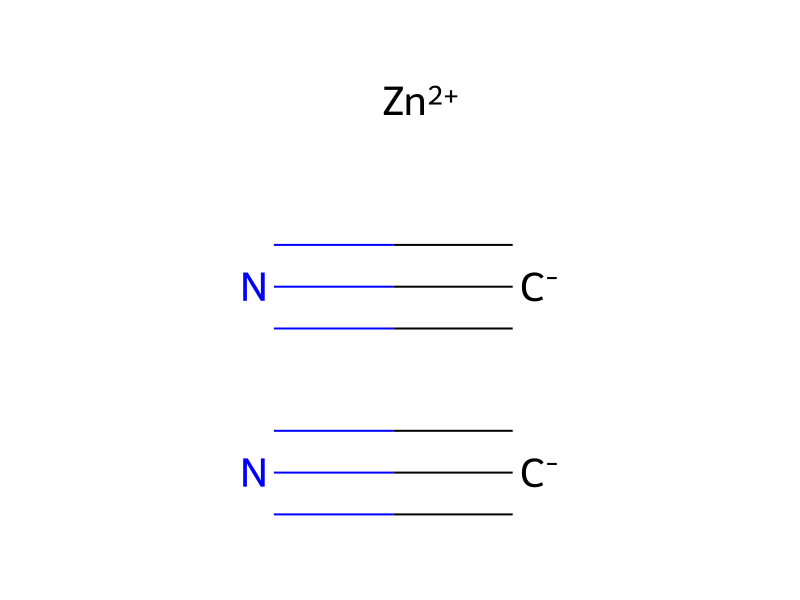
[F:1][C:2]1[CH:3]=[C:4]([CH:9]([CH3:14])[C:10]([O:12][CH3:13])=[O:11])[CH:5]=[CH:6][C:7]=1I.N#N.[CH3:17][N:18](C)C=O>[Pd].C1(P(C2C=CC=CC=2)C2C=CC=CC=2)C=CC=CC=1.C1(P(C2C=CC=CC=2)C2C=CC=CC=2)C=CC=CC=1.C1(P(C2C=CC=CC=2)C2C=CC=CC=2)C=CC=CC=1.C1(P(C2C=CC=CC=2)C2C=CC=CC=2)C=CC=CC=1.[C-]#N.[Zn+2].[C-]#N>[C:17]([C:7]1[CH:6]=[CH:5][C:4]([CH:9]([CH3:14])[C:10]([O:12][CH3:13])=[O:11])=[CH:3][C:2]=1[F:1])#[N:18]Participants
6
Reactant 3


Product 1

Reagents, catalysts & solvents 2

Conditions
- Temperature
- 120 °C
Procedure
Methyl 2-(3-fluoro-4-iodophenyl)propanoate, tetrakis(triphenylphosphine) palladium(0) and zinc cyanide are placed in dimethylformamide and charged with N2. The reaction mixture was stirred at 120° C. for 15 h and cooled to room temperature. The reaction mixture is filtered by celite packed filter, washed with ethyl acetate. After concentrate solvent, residue is purified on a silica gel column using ethylacetate-hexane as solvent system to give methyl 2-(4-cyano-3-fluorophenyl)propanoate.
Workup
- temperaturecooled to room temperature
- filtrationThe reaction mixture is filtered by celite
- filtrationpacked filter
- washwashed with ethyl acetate
- concentrationAfter concentrate solvent, residue
- customis purified on a silica gel column
Sources & evidence
- ORD record
- ord-a740748b80e3458b804da76265de57a5
- Source dataset
- uspto-grants-2015_01
- Patent number
- US08937092B2
Reaction notes
Loading…