Acetaldehyde → 2,6-Difluoro-alpha-methyl-3-pyridinemethanol
Reaction equation

C(NC(C)C)(C)C.C([Li])CCC.[F:13][C:14]1[CH:19]=[CH:18][CH:17]=[C:16]([F:20])[N:15]=1.[CH:21](=[O:23])[CH3:22].Cl>CCCCCC.O1CCCC1.C1(C)C=CC=CC=1.C(OCC)(=O)C>[F:13][C:14]1[C:19]([CH:21]([OH:23])[CH3:22])=[CH:18][CH:17]=[C:16]([F:20])[N:15]=1Participants
Reactant 5
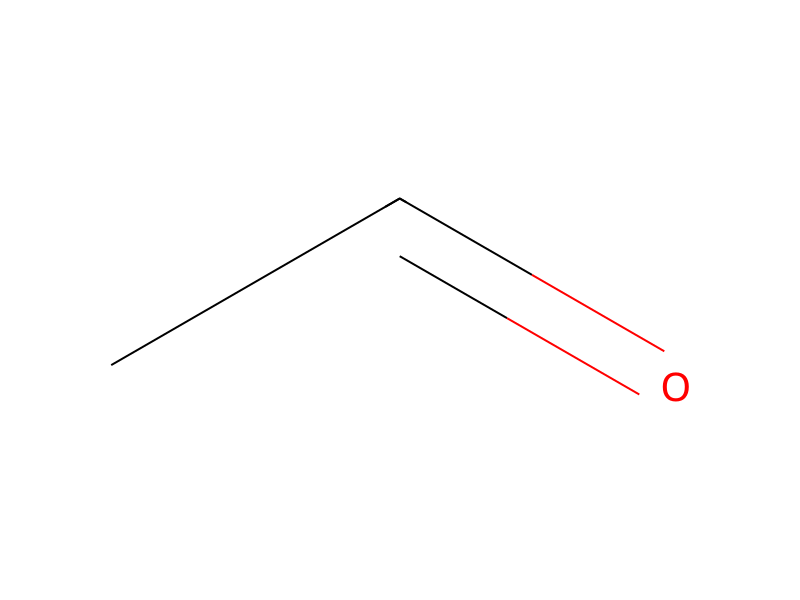




Product 1

Reagents, catalysts & solvents 4




Procedure
Diisopropylamine (134 mL) was added dropwise to a mixed solution composed of a solution of n-butyl lithium in hexane (2.62 M, 368 mL) and tetrahydrofuran (800 mL) in a nitrogen atmosphere at −60° C. or less. The reaction solution was stirred for 30 minutes, and then a solution of 2,6-difluoropyridine (100 g) in tetrahydrofuran (100 mL) was added dropwise to the reaction solution at −60° C. or less. The reaction solution was stirred for one hour, and then acetaldehyde (97.6 mL) was added dropwise to the reaction solution. Then, 2 N aqueous hydrochloric acid (1,000 ml) was added dropwise to the reaction solution. Thereafter, ethyl acetate (1,000 mL) and toluene (1,000 mL) were added to the reaction solution, and the organic layer was separated. The organic layer was concentrated under reduced pressure to obtain 129 g of the title compound.
Workup
- stirringThe reaction solution was stirred for one hour
- customthe organic layer was separated
- concentrationThe organic layer was concentrated under reduced pressure
Sources & evidence
- ORD record
- ord-430eb45195ef4f4d8cd01392047a1a2b
- Source dataset
- uspto-grants-2009_11
- Patent number
- US07618960B2
Reaction notes
Loading…