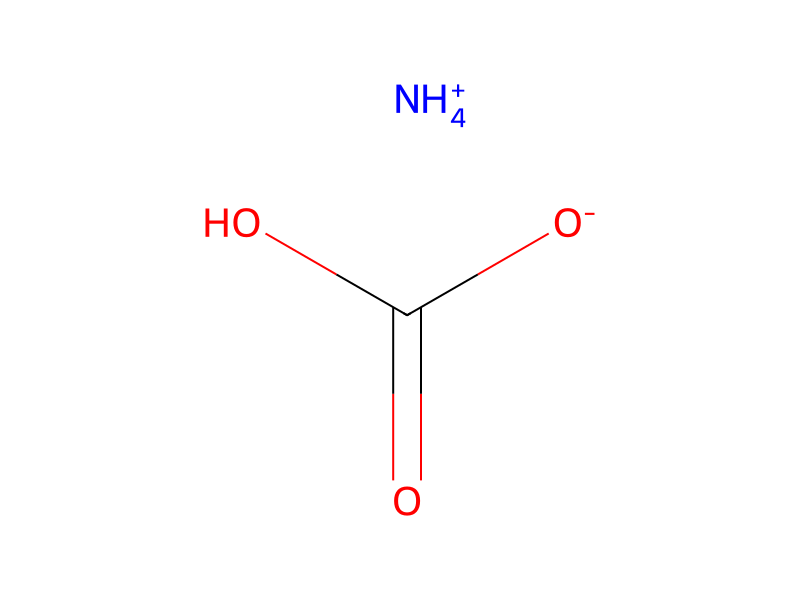
Ammonium Bicarbonate → HCID 57941056, compound
Reaction equation

C(O)(=O)C.[F:5][C@@H:6]1[C@H:11]([NH:12][C@@H:13]([C:15]2[CH:20]=[CH:19][CH:18]=[CH:17][CH:16]=2)[CH3:14])[CH2:10][CH2:9][C@@H:8]([C:21]([OH:23])=O)[CH2:7]1.C(=O)(O)[O-].[NH4+].O[N:30]1C2N=CC=CC=2N=N1.Cl.C(N=C=NCCCN(C)C)C>CN(C=O)C>[F:5][C@@H:6]1[C@H:11]([NH:12][C@@H:13]([C:15]2[CH:20]=[CH:19][CH:18]=[CH:17][CH:16]=2)[CH3:14])[CH2:10][CH2:9][C@@H:8]([C:21]([NH2:30])=[O:23])[CH2:7]1Participants
6



Procedure
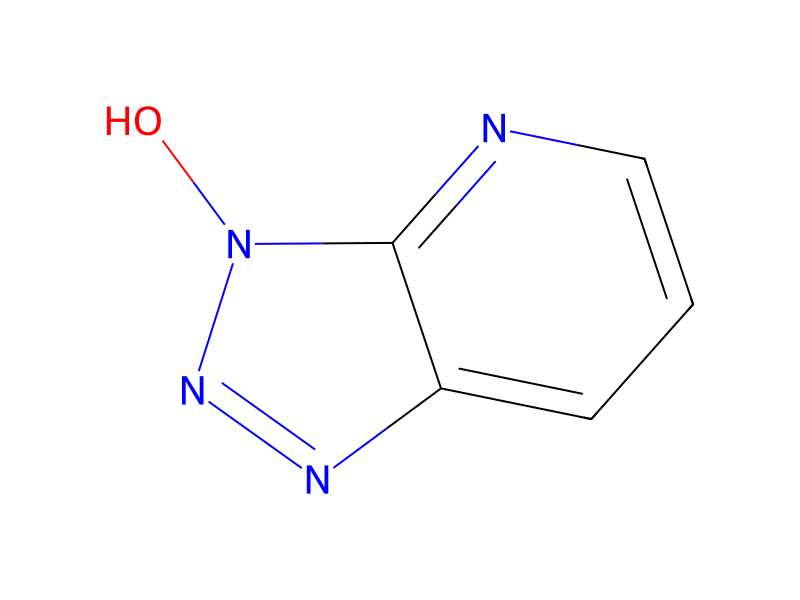
A solution of (d) (75 mg) in DMF (2 mL) was treated with ammonium bicarbonate (80 mg), 1-hydroxy-7-azabenzotriazole (57 mg), and 1-ethyl-3-(3-dimethylaminopropyl)carbodiimide hydrochloride (60 mg). After 2.5 hours the reaction mixture was evaporated and the residue partitioned between ethyl acetate/dilute brine. The organic extract was dried and evaporated. The residue was chromatographed eluting with 2-8% methanol/dichloromethane affording a white solid (52 mg).
Workup
- customAfter 2.5 hours the reaction mixture was evaporated
- customthe residue partitioned between ethyl acetate/dilute brine
- extractionThe organic extract
- customwas dried
- customevaporated
- customThe residue was chromatographed
- washeluting with 2-8% methanol/dichloromethane affording a white solid (52 mg)
Sources & evidence
- ORD record
- ord-5a517a367fdd41ba9ac5af8676ebfd3f
- Source dataset
- uspto-grants-2009_11
- Patent number
- US07622481B2
Reaction notes
Loading…