4-Hydroxybenzaldehyde → HCID 57280041, compound
Reaction equation

[CH3:1][C:2]([CH:4]1[CH2:6][CH2:5]1)=[O:3].Cl[C:8]1[CH:9]=[C:10]([CH:13]=[CH:14][C:15]=1Cl)[CH:11]=[O:12].Cl[C:18]1[CH:25]=[C:24](Cl)[CH:23]=[CH:22][C:19]=1C=O.Br[C:28]1C=CC(C=O)=CC=1.FC1C=CC(C=O)=CC=1.OC1C=CC(C=O)=CC=1.FC(F)(F)OC1C=CC(C=O)=CC=1.FC(F)(F)C1C=CC(C=O)=CC=1.C(C1(C(C=CC2C=CC(C(O)=O)=CC=2)=O)CC1)C.C1(C(C=CC2C=CC(O)=CC=2)=O)CC1.C(Cl)(=O)C1C=CC=CC=1>>[CH:4]1([C:2]([CH:1]=[CH:28][C:15]2[CH:14]=[CH:13][C:10]([C:11](=[O:12])[C:18]3[CH:25]=[CH:24][CH:23]=[CH:22][CH:19]=3)=[CH:9][CH:8]=2)=[O:3])[CH2:6][CH2:5]1Participants
Reactant 11
 HCID 1264-Hydroxybenzaldehyde
 HCID 7412Benzoyl chloride
 HCID 13004Cyclopropyl methyl ketone
 HCID 134042,4-Dichlorobenzaldehyde
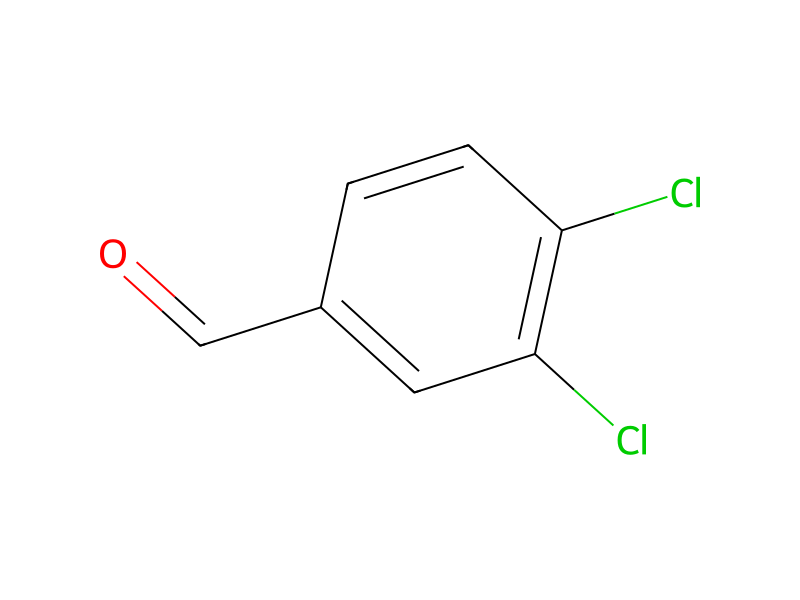 HCID 227103,4-Dichlorobenzaldehyde
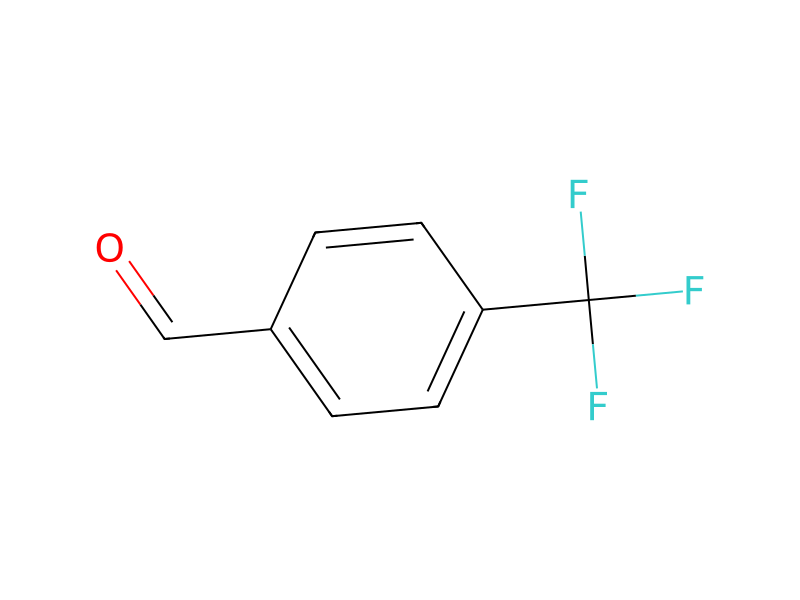 HCID 679964-(Trifluoromethyl)benzaldehyde
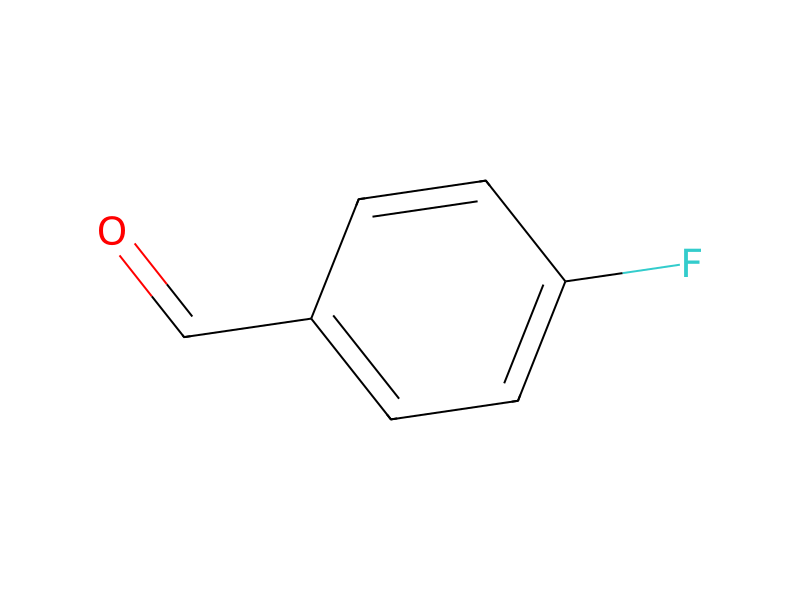 HCID 680234-Fluorobenzaldehyde
 HCID 69573p-(Trifluoromethoxy)benzaldehyde
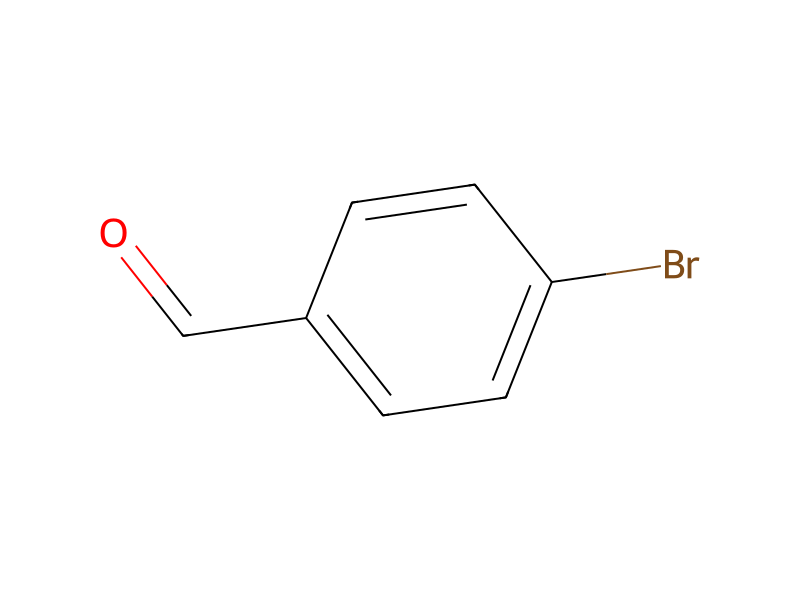 HCID 707414-Bromobenzaldehyde
 HCID 539466722-(4-Carboxyphenyl)vinyl 1-ethylcyclopropyl ketone7×
 HCID 57098678HCID 57098678, compound
Product 1

Procedure
By following the procedure of Preparation A1 above, cyclopropyl methyl ketone can be caused to react with 3,4-dichlorobenzaldehyde, 2,4-dichlorobenzaldehyde, 4-bromobenzaldehyde, 4-fluorobenzaldehyde, 4-hydroxybenzaldehyde, 4-trifluoromethoxybenzaldehyde or 4-trifluoromethylbenzaldehyde to give, respectively, 2-(3,4-dichlorophenyl)vinyl cyclopropyl ketone [III; Ar is 3,4-Cl2C6H3, R is H], 2-(2,4-dichlorophenyl)vinyl cyclopropyl ketone [III; Ar is 2,4-Cl2C6H3, R is H], 2-(4-bromophenyl)vinyl cyclopropyl ketone [III; Ar is 4-BrC6H4, R is H], 2-(4-fluorophenyl)vinyl cyclopropyl ketone [III; Ar is 4-FC6H4, R is H], 2-(4-hydroxyphenyl)vinyl cyclopropyl ketone [III; Ar is 4-HOC6H4, R is H], 2-(4-trifluoromethoxyphenyl)vinyl cyclopropyl ketone [III; Ar is 4-F3COC6H4, R is H], or 2-(4-trifluoromethylphenyl)vinyl cyclopropyl ketone [III; Ar is 4-F3CC 6 H4, R is H]. 2-(4-Hydroxyphenyl)vinyl cyclopropyl ketone can be esterified with benzoyl chloride to give 2-(4-benzoylphenyl)vinyl cyclopropyl ketone [III; Ar is 4-C6H5COOC6H4, R is H].
Workup
- customto give
Sources & evidence
- ORD record
- ord-0da0d7178b5848448e2008ffb86500ce
- Source dataset
- uspto-grants-1980_02
- Patent number
- US04189500
Reaction notes
Loading…