4-Methylmorpholine → HCID 131732735, compound
Reaction equation

[Cl-].[C:2]([C:6]1[CH:11]=[CH:10][C:9]([N:12]2[CH:16]([C:17]3[CH:18]=[CH:19][C:20]4[N:24]=[C:23]([C@@H:25]5[CH2:29][CH2:28][CH2:27][N:26]5[C:30](=[O:40])[C@@H:31]([NH:35][C:36]([O:38][CH3:39])=[O:37])[CH:32]([CH3:34])[CH3:33])[NH:22][C:21]=4[CH:41]=3)[CH2:15][CH2:14][CH:13]2[C:42]2[CH:47]=[CH:46][C:45]([C:48]3[NH:52][C:51]([C@@H:53]4[CH2:57][CH2:56][CH2:55][NH2+:54]4)=[N:50][CH:49]=3)=[CH:44][CH:43]=2)=[CH:8][CH:7]=1)([CH3:5])([CH3:4])[CH3:3].[CH3:58][O:59][C:60]([NH:62][C@@H:63]([CH:67]([CH3:69])[CH3:68])[C:64](O)=[O:65])=[O:61].C1C=CC2N(O)N=NC=2C=1.CCN=C=NCCCN(C)C.CN1CCOCC1>CN(C=O)C.CCOC(C)=O.C(Cl)Cl>[C:2]([C:6]1[CH:7]=[CH:8][C:9]([N:12]2[C@@H:16]([C:17]3[CH:18]=[CH:19][C:20]4[N:24]=[C:23]([C@@H:25]5[CH2:29][CH2:28][CH2:27][N:26]5[C:30](=[O:40])[C@@H:31]([NH:35][C:36]([O:38][CH3:39])=[O:37])[CH:32]([CH3:34])[CH3:33])[NH:22][C:21]=4[CH:41]=3)[CH2:15][CH2:14][C@@H:13]2[C:42]2[CH:47]=[CH:46][C:45]([C:48]3[NH:52][C:51]([C@@H:53]4[CH2:57][CH2:56][CH2:55][N:54]4[C:64](=[O:65])[C@@H:63]([NH:62][C:60](=[O:61])[O:59][CH3:58])[CH:67]([CH3:69])[CH3:68])=[N:50][CH:49]=3)=[CH:44][CH:43]=2)=[CH:10][CH:11]=1)([CH3:4])([CH3:5])[CH3:3]Participants
Reactant 5

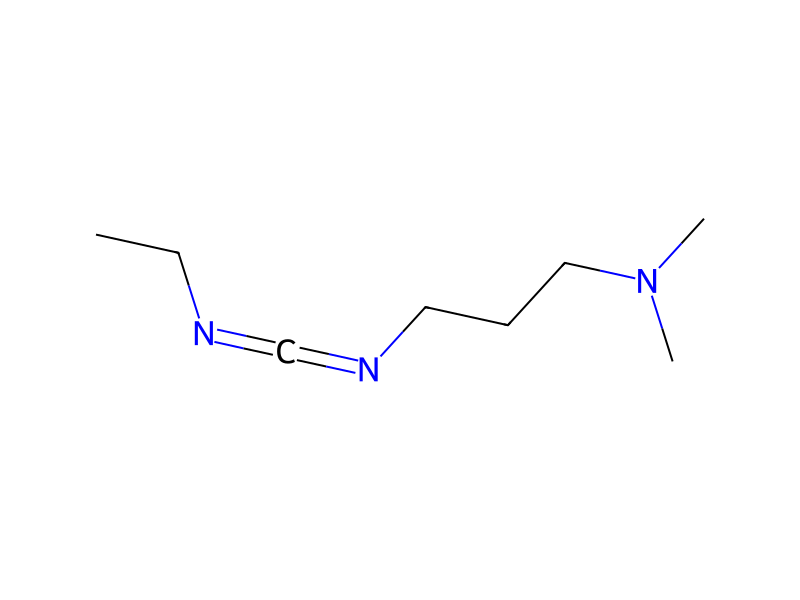



Product 1

Reagents, catalysts & solvents 3



Procedure
The product from example 191L (0.092 g, 0.116 mmole), (S)-2-(methoxycarbonylamino)-3-methylbutanoic acid (0.020 g, 0.116 mmole) and HOBt (000.018 g, 0.116 mmole) were combined in a 25 mL RB flask and dissolved in DMF (1 mL). The reaction mixture was placed in an ice bath and treated with EDAC (0.022 g, 0.116 mmole) and N-methylmorpholine (0.12 mL, 1.091 mmole. The light yellow reaction mixture was stirred in the ice bath for 1 hr, then stirred at room temperature for 9 hr. The reaction mixture was diluted with EtOAc (100 mL) washed with water (20 mL) and 10% NaCl (20 mL), dried over anhydrous Na2SO4(s), filtered and solvent removed in vacuo leaving an oily residue. The residue was dissolved in 5 mL CH2Cl2 and applied to a 12 g silica gel column. The column was eluted with a gradient of CH2Cl2/MeOH, 99/1 to 95/5 over 22 minutes. The title compound was isolated from the first fraction eluted from the column as a white solid consisting of a mixture of trans-pyrrolidine isomers, 21 mg, 19%. 1H NMR (400 MHz, DMSO-d6) δ ppm 0.71-0.95 (m, 12H) 1.11 (s, 9H) 1.99 (m, 6H) 2.13 (m, 4H) 3.53 (s, 6H) 3.81 (m, 4H) 4.04 (m, 4H) 5.06 (m, 2H) 5.11-5.15 (m, 1H) 5.18-5.26 (m, 1H) 5.32 (m, 1H) 6.25 (m, 2H) 6.86-6.96 (m, 1H) 7.05 (m, 2H) 7.33 (m, 6H) 7.61 (m, 2H) 11.53 (s, 1H) 11.68 (s, 1H) 12.00 (m, 2H); ESI+: 914.5.
Workup
- customThe reaction mixture was placed in an ice bath
- washwashed with water (20 mL) and 10% NaCl (20 mL)
- dry with materialdried over anhydrous Na2SO4(s)
- filtrationfiltered
- customsolvent removed in vacuo
- customleaving an oily residue
- washThe column was eluted with a gradient of CH2Cl2/MeOH, 99/1 to 95/5 over 22 minutes
Sources & evidence
- ORD record
- ord-86376fb303b444c9a767c04aa6e095a2
- Source dataset
- uspto-grants-2015_04
- Patent number
- US09006387B2
Reaction notes
Loading…