Dimethylformamide → HCID 12249743, compound
Reaction equation

[CH:1]1[CH:6]=[CH:5][C:4]([O:7][C:8]2[CH:13]=[CH:12][C:11]([Br:14])=[CH:10][CH:9]=2)=[CH:3][CH:2]=1.Cl[S:16](O)(=O)=O.C(Cl)(=O)C(Cl)=O.C1(P(C2C=CC=CC=2)C2C=CC=CC=2)C=CC=CC=1.CN(C)C=O>C(Cl)Cl.CN(C)C=O.Cl>[Br:14][C:11]1[CH:10]=[CH:9][C:8]([O:7][C:4]2[CH:3]=[CH:2][C:1]([SH:16])=[CH:6][CH:5]=2)=[CH:13][CH:12]=1Participants
Reactant 5



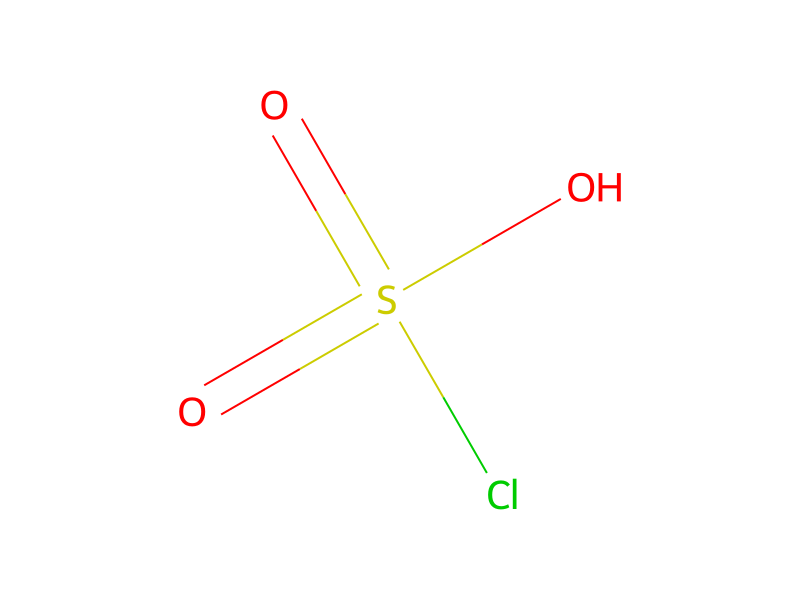

Product 1

Reagents, catalysts & solvents 3


Procedure
A solution of 4-bromodiphenyl ether (50 g, 200.7 mmol) in methylene chloride (118 mL) was cooled to 0° C. and chlorosulfonic acid (14.7 mL, 220.8 mmol) was added dropwise over a 20 minute period. The solution was stirred an additional 10 minutes, warmed to room temperature and stirred an additional 1 hour. To this mixture was added oxalyl chloride (23.6 mL, 270.9 mmol), followed by N,N-dimethylformamide (1.5 mL) as a catalyst, and the mixture refluxed for 2 hours. The mixture was cooled to room temperature, and additional oxalyl chloride (23.6 mL, 270.9 mmol) was added, the mixture refluxed for 3 hours, cooled to room temperature and stirred 12 hours more. The solution was concentrated to an oil, azeotroped several times using methylene chloride and put under high vacuum (1 torr) for several hours until the mixture had completely solidified. This mixture was immediately dissolved in methylene chloride (160 mL) which was added dropwise to a solution of triphenylphosphine (157.0 g, 602 mmol) in methylene chloride (160 mL) containing N,N-dimethylformamide (4 mL, 52.2 mmol). The mixture was stirred 2 hours, diluted with 1M aqueous hydrochloric acid (300 mL) and stirred for 1 hour. The aqueous layer was separated, extracted with methylene chloride (200 mL), and the organic layers were combined, washed with 200 mL of brine, dried (MgSO4) and concentrated in vacuo. The resulting solid was further purified through trituration with 750 mL of hexane. The solid was then dissolved in 750 mL of diethyl ether, extracted with 2M aqueous sodium hydroxide (2×350 mL), and the basic aqueous layer back extracted using diethyl ether (2×400 mL). The aqueous layer was adjusted to pH 2, extracted with diethyl ether (3×200 mL) and the combined organic layers dried (MgSO4) and concentrated to afford 4-(4-bromophenoxy)thiophenol (45.6 g, 81%). 1HNMR (CDCl3) δ 3.43 (s, 1H), 6.86 (d, J=8.9 Hz, 2H), 6.89 (d, J=8.6 Hz, 2H), 7.28 (d, J=8.6 Hz, 2H), 7.43 (d, J=8.9 Hz, 2H).
Workup
- stirringstirred an additional 1 hour
- temperaturethe mixture refluxed for 2 hours
- temperatureThe mixture was cooled to room temperature
- temperaturethe mixture refluxed for 3 hours
- temperaturecooled to room temperature
- stirringstirred 12 hours more
- concentrationThe solution was concentrated to an oil
- customazeotroped several times
- waitput under high vacuum (1 torr) for several hours until the mixture
- dissolutionThis mixture was immediately dissolved in methylene chloride (160 mL) which
- stirringThe mixture was stirred 2 hours
- stirringstirred for 1 hour
- customThe aqueous layer was separated
- extractionextracted with methylene chloride (200 mL)
- washwashed with 200 mL of brine
- dry with materialdried (MgSO4)
- concentrationconcentrated in vacuo
- customThe resulting solid was further purified through trituration with 750 mL of hexane
- dissolutionThe solid was then dissolved in 750 mL of diethyl ether
- extractionextracted with 2M aqueous sodium hydroxide (2×350 mL)
- extractionthe basic aqueous layer back extracted
- extractionextracted with diethyl ether (3×200 mL)
- dry with materialthe combined organic layers dried (MgSO4)
- concentrationconcentrated
Sources & evidence
- ORD record
- ord-7a8de7cfca324e7c8febcea4e010fe25
- Source dataset
- uspto-grants-1999_08
- Patent number
- US05932595
Reaction notes
Loading…