p-Toluenesulfonic acid → HCID 70232786, compound
Reaction equation

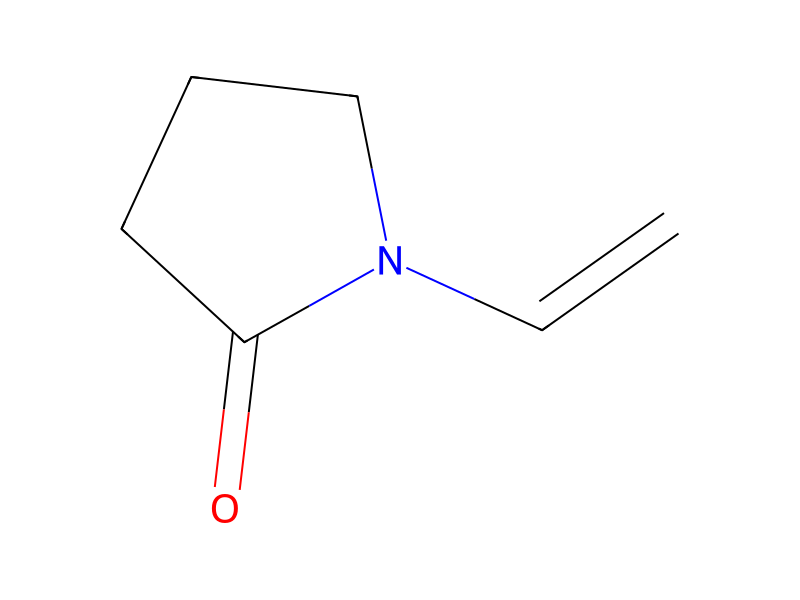
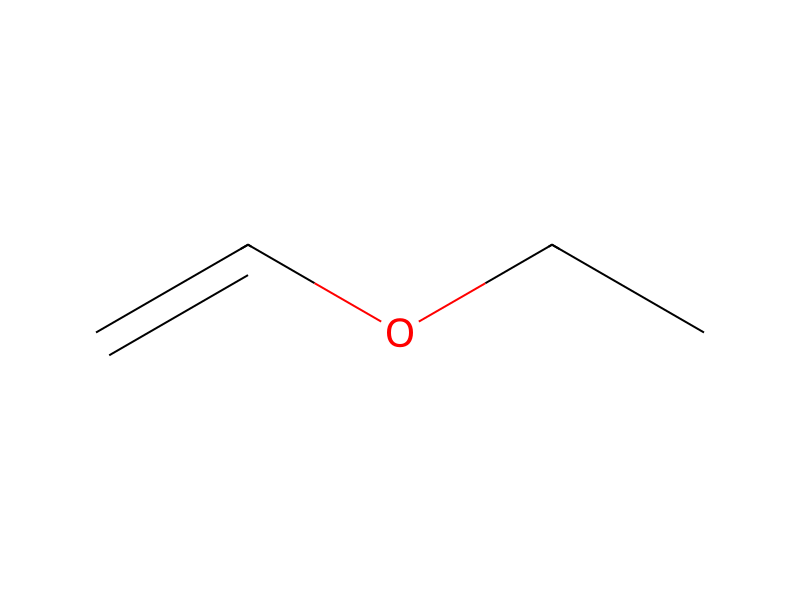
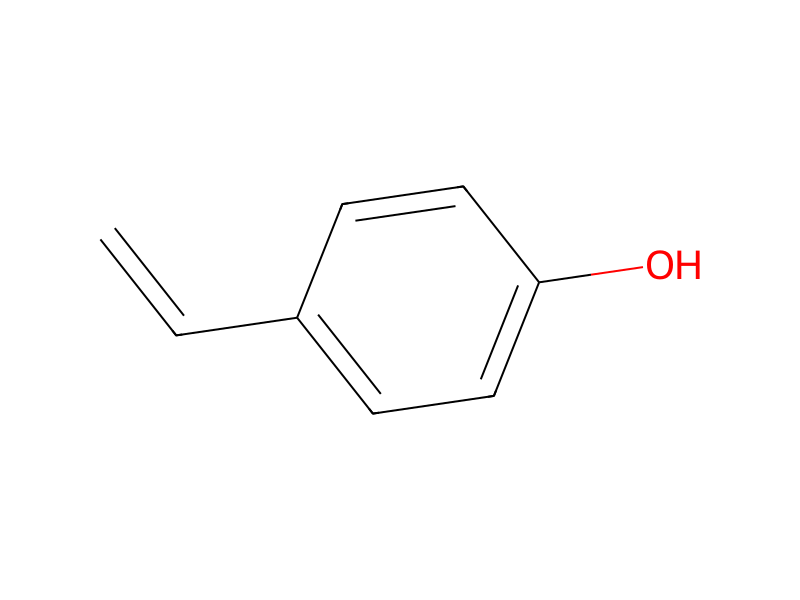
[C:1]([O:4][CH:5](C)[CH2:6]OC)(=O)[CH3:2].[OH:10][C:11]1[CH:18]=[CH:17][C:14]([CH:15]=[CH2:16])=[CH:13][CH:12]=1.[C:19]([O:24][C:25]([CH3:28])([CH3:27])[CH3:26])(=[O:23])[C:20]([CH3:22])=[CH2:21].C1(C)C=CC(S(O)(=O)=O)=CC=1.C(OCC)=C.[CH:45]([N:47]1[CH2:51][CH2:50][CH2:49][C:48]1=[O:52])=[CH2:46]>C(C(C)=O)C(C)C>[OH:10][C:11]1[CH:18]=[CH:17][C:14]([CH:15]=[CH2:16])=[CH:13][CH:12]=1.[CH2:1]([O:4][CH:5]([O:10][C:11]1[CH:18]=[CH:17][C:14]([CH:15]=[CH2:16])=[CH:13][CH:12]=1)[CH3:6])[CH3:2].[O:52]=[C:48]1[CH2:49][CH2:50][CH2:51][N:47]1[CH:45]([O:10][C:11]1[CH:18]=[CH:17][C:14]([CH:15]=[CH2:16])=[CH:13][CH:12]=1)[CH3:46].[C:19]([O:24][C:25]([CH3:28])([CH3:27])[CH3:26])(=[O:23])[C:20]([CH3:22])=[CH2:21]Participants
Reactant 6



Product 1

Reagents, catalysts & solvents 1

Procedure
Into 120 parts of propylene glycol monomethyl ether acetate was dissolved 30.0 parts of a copolymer, produced by the radical polymerization, having p-hydroxystyrene unit and a unit of tert-butyl methacrylate in a ratio of 90 10 (weight average molecular weight: 18,500 and distribution: 1.85). The solution was cooled to room temperature and a catalytic amount of p-toluenesulfonic acid was added thereto and dissolved. To this solution was added dropwise 8.71 parts of ethyl vinyl ether over 30 minutes and the solution was kept at room temperature for 3 hours. Then, 3.31 parts of N-vinyl-2-pyrrolidone was added dropwise over 30 minutes and the solution was subsequently kept at room temperature for 3 hours. After adding methyl isobutyl ketone, the solution was washed with ion-exchanged water. The organic layer after washing was concentrated to 76 parts, combined with 150 parts of propylene glycol monomethyl ether acetate and further concentrated to 110 parts. The solid content of the concentrate measured by weight-loss on heating was 31.38% by weight. A broad peak at 6.0 ppm was confirmed by 1H-NMR [270 MHz, in (dimethylsulfoxide)-d6] and assigned to the methine proton in —O—CH(CH3)—N<. Another broad peak at 5.3 ppm was confirmed and assigned to the methine proton in 1-ethoxyethyl group. From the ratio of integrated area for these methane protons and that for the aromatic protons, it was confirmed that the resin was a copolymer constituted by p-hydroxystyrene unit, p-(1-ethoxyethoxy)styrene unit, p-[1-(2-oxo-1-pyrrolidinyl)ethoxy]styrene unit and tert-butyl methacrylate in a ratio of 34:47:9:10. The copolymer has a group which can be eliminated by the action of an acid and becomes alkali-soluble after the elimination. Therefore, it is can be used as a resin for the positive working resist.
Workup
- customproduced by the radical polymerization
- dissolutiondissolved
- waitthe solution was subsequently kept at room temperature for 3 hours
- washthe solution was washed with ion-exchanged water
- washThe organic layer after washing
- concentrationwas concentrated to 76 parts
- concentrationfurther concentrated to 110 parts
- temperatureon heating
Sources & evidence
- ORD record
- ord-7b573995931d4633aaf49af234e7c943
- Source dataset
- uspto-grants-2001_09
- Patent number
- US06284863B1
Reaction notes
Loading…