Hydrochloric Acid → HCID 18932883, compound
Reaction equation

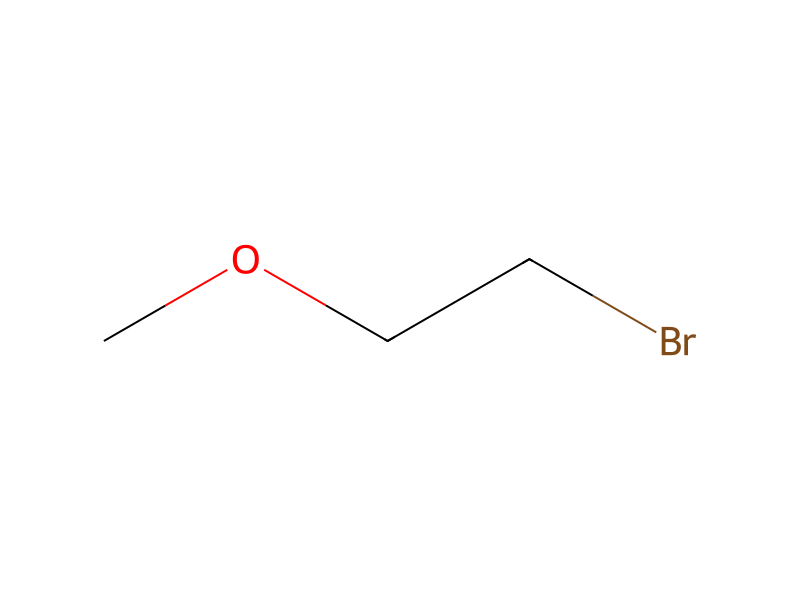
[Cl:1][C:2]1[CH:10]=[C:9]2[C:5]([CH2:6][CH2:7][N:8]2[C:11]2[C:20]3[C:15](=[CH:16][C:17]([OH:21])=[CH:18][CH:19]=3)[N:14]=[CH:13][N:12]=2)=[CH:4][CH:3]=1.O.O.O.O.O.[OH-].C[N+](C)(C)C.[CH3:33][O:34][CH2:35][CH2:36]Br.Cl>CN(C=O)C.O>[ClH:1].[Cl:1][C:2]1[CH:10]=[C:9]2[C:5]([CH2:6][CH2:7][N:8]2[C:11]2[C:20]3[C:15](=[CH:16][C:17]([O:21][CH2:36][CH2:35][O:34][CH3:33])=[CH:18][CH:19]=3)[N:14]=[CH:13][N:12]=2)=[CH:4][CH:3]=1Participants
7
Reactant 4



Product 1

Reagents, catalysts & solvents 2


Conditions
- Temperature
- 50 °C
Procedure
To 4-(6-chloro-2,3-dihydro-indol-1-yl)-quinazolin-7-ol (125 mg, 0.42 mmol; from Example 65) in DMF (2 mL) was added H2O (50 μL), K2 CO3 (s) (116 mg, 0.84 mmol), and tetramethylammonium hydroxide pentahydrate (15 mg, 0.08 mmol) followed by 2-bromoethyl methyl ether (43 μL, 0.46 mmol). The mixture was stirred at 50° C. under N2(g) for 24 hours before another aliquot (43 μL) of 2-bromoethyl methyl ether was added. Stirring at 50° C. was continued for another 36 hours before extractive workup and chromatography analogous to that described in Example 1 followed by conversion to the HCl salt as outlined for Example 2 afforded 91 mg (61%) of product. (M.P. 213°-216° C. (dec); LC-MS: 356 (MH+); anal. RP18-HPLC RT: 4.73 min.).
Workup
- additionwas added
Sources & evidence
- ORD record
- ord-b2d56473ce664f41b6c1f38acbe74707
- Source dataset
- uspto-grants-1998_04
- Patent number
- US05736534
Reaction notes
Loading…