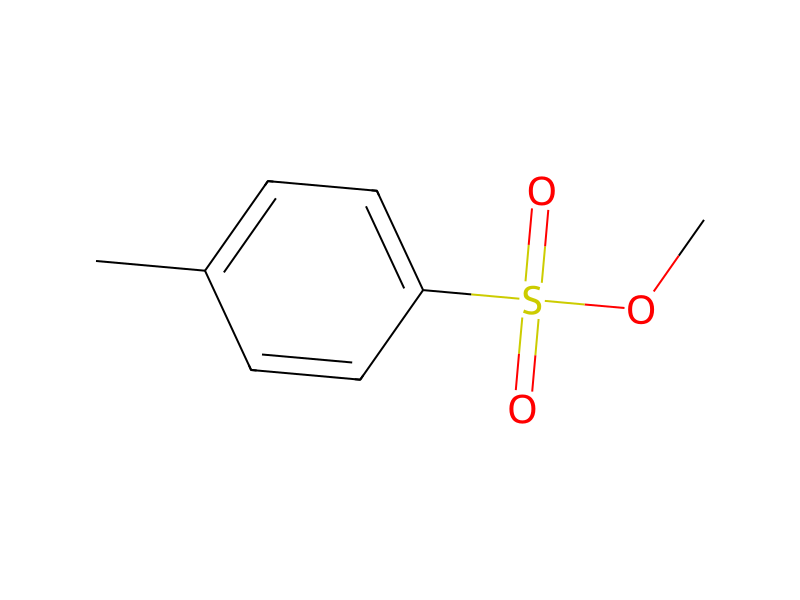
Methyl p-toluenesulfonate → Methylamphotericin B
Reaction equation

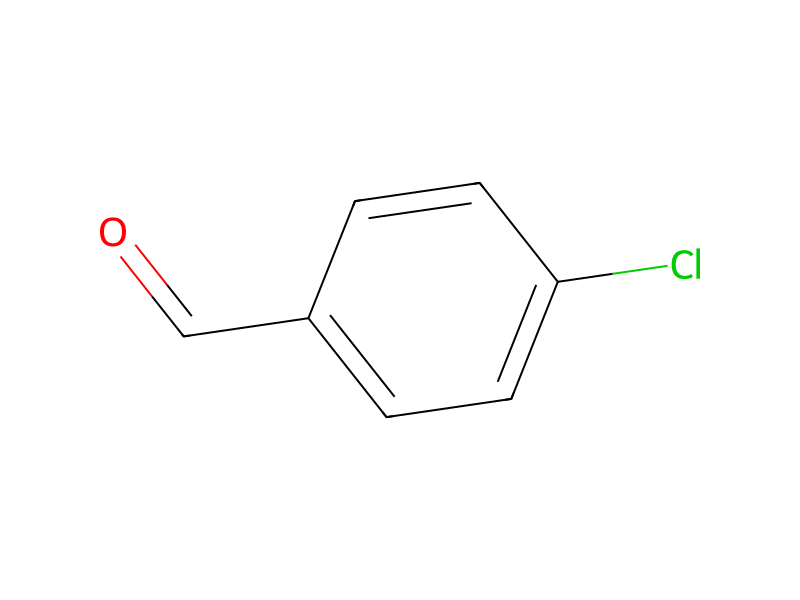
Cl[C:2]1C=CC(C=O)=CC=1.[CH3:10][C@@H:11]1[C@@H:50]([OH:51])[C@@H:49]([CH3:52])[C@H:48]([CH3:53])[O:47][C:45](=[O:46])[CH2:44][C@H:43]([OH:54])[CH2:42][C@H:41]([OH:55])[CH2:40][CH2:39][C@@H:38]([OH:56])[C@H:37]([OH:57])[CH2:36][C@H:35]([OH:58])[CH2:34][C@@:32]2([OH:59])[O:33][C@H:28]([C@H:29]([C:61]([OH:63])=[O:62])[C@@H:30]([OH:60])[CH2:31]2)[CH2:27][C@@H:26]([O:64][C@@H:65]2[O:70][C@H:69]([CH3:71])[C@@H:68]([OH:72])[C@H:67]([NH2:73])[C@@H:66]2[OH:74])[CH:25]=[CH:24][CH:23]=[CH:22][CH:21]=[CH:20][CH:19]=[CH:18][CH:17]=[CH:16][CH:15]=[CH:14][CH:13]=[CH:12]1.C(N(CC)C(C)C)(C)C.C1(C)C=CC(S(OC)(=O)=O)=CC=1>CN(C=O)C>[CH3:10][C@@H:11]1[C@@H:50]([OH:51])[C@@H:49]([CH3:52])[C@H:48]([CH3:53])[O:47][C:45](=[O:46])[CH2:44][C@H:43]([OH:54])[CH2:42][C@H:41]([OH:55])[CH2:40][CH2:39][C@@H:38]([OH:56])[C@H:37]([OH:57])[CH2:36][C@H:35]([OH:58])[CH2:34][C@@:32]2([OH:59])[O:33][C@H:28]([C@H:29]([C:61]([O:63][CH3:2])=[O:62])[C@@H:30]([OH:60])[CH2:31]2)[CH2:27][C@@H:26]([O:64][C@@H:65]2[O:70][C@H:69]([CH3:71])[C@@H:68]([OH:72])[C@H:67]([NH2:73])[C@@H:66]2[OH:74])[CH:25]=[CH:24][CH:23]=[CH:22][CH:21]=[CH:20][CH:19]=[CH:18][CH:17]=[CH:16][CH:15]=[CH:14][CH:13]=[CH:12]1Participants
Reactant 4


Product 1

Reagents, catalysts & solvents 1

Procedure
To 1.5 mL of anhydrous DMF in a 3 mL flask was added p-chlorobenzaldehyde (0.0663 g, 4.72×E-4 moles). While purging the flask with nitrogen, Amphotericin B (0.1511 g, 1.51×E-4 moles) is slowly sifted into the vigorously stirred solution over 3 to 4 minutes. All the solid dissolved within 15 minutes and stirring was continued for an additional 30 minutes. At this point all the Amphotericin B was converted to the soluble N-p-chlorobenzylidine derivative. To the clear yellow solution was added N,N-diisopropylethylamine (0.079 mL, 4.53×E-4 moles) followed by methyl p-toluenesulfonate (0.0843 g, 4.53×E-4 moles). The reaction mixture was allowed to stir for 22 hours at ambient temperature and a small aliquot of the reaction mixture was removed and analyzed by reverse phase HPLC. The analysis indicated no unreacted Amphotericin B was present in the reaction mixture. The major component of the product mixture was Amphotericin B methyl ester. The mixture was added to 15 mL of methyl tert.-butyl ether and a yellow solid precipitated. The solid was separated by centrifugation and washed once with 10 mL of methyl tert.-butyl ether. Drying under high vacuum afforded 0.184 g of p-chlorobenzylidine Amphotericin B methyl ester.
Workup
- filtrationis slowly sifted into the vigorously stirred solution over 3 to 4 minutes
- dissolutionAll the solid dissolved within 15 minutes
- stirringto stir for 22 hours at ambient temperature
- customa small aliquot of the reaction mixture was removed
- additionThe mixture was added to 15 mL of methyl tert.-butyl ether
- customa yellow solid precipitated
- customThe solid was separated by centrifugation
- washwashed once with 10 mL of methyl tert.-butyl ether
- customDrying under high vacuum
Sources & evidence
- ORD record
- ord-58a99a4ec4e34a3cba50e0b8203f883b
- Source dataset
- uspto-grants-1999_11
- Patent number
- US05981721
Reaction notes
Loading…