Hydrochloric Acid → Methyl (4-chlorobenzoyl)acetate
Reaction equation

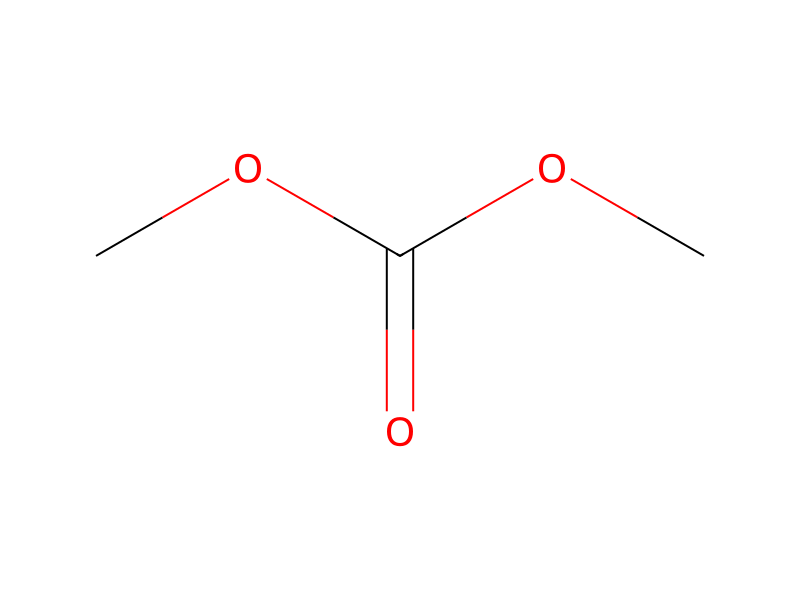
[H-].[Na+].[C:3](=[O:8])([O:6][CH3:7])OC.[CH3:9][C:10]([C:12]1[CH:17]=[CH:16][C:15]([Cl:18])=[CH:14][CH:13]=1)=[O:11].[H][H].Cl>O1CCCC1>[Cl:18][C:15]1[CH:16]=[CH:17][C:12]([C:10](=[O:11])[CH2:9][C:3]([O:6][CH3:7])=[O:8])=[CH:13][CH:14]=1Participants






Procedure
Into a 1000 ml three necked flask equipped with an additional funnel, and condenser was added 15.4 g of 60% sodium hydride (0.63 mole). The sodium hydride was washed twice with hexane and then suspended in 300 ml of tetrahydrofuran and 29 g of dimethyl carbonate (0.32 mole). The reaction mixture was brought to reflux and a solution of 50 g (0.32 mole) of 4-chloroacetophenone in 50 ml of tetrahydrofuran was added over 30 minutes. After hydrogen evolution had ceased the reaction was cooled and poured onto ice. The aqueous layer was acidified with hydrochloric acid and extracted with ethyl ether. The organic layer was dried, concentrated, and distilled at 15 torr bp 180°-205° C. to give 40 g of methyl 3-(4-chlorophenyl)-3-keto-propanoate. NMR data was consistent with the structure.
Workup
- washThe sodium hydride was washed twice with hexane
- temperatureto reflux
- temperaturewas cooled
- additionpoured onto ice
- extractionextracted with ethyl ether
- customThe organic layer was dried
- concentrationconcentrated
- distillationdistilled at 15 torr bp 180°-205° C.
Sources & evidence
- ORD record
- ord-0c209d425db24dc7917fddd9502a67b4
- Source dataset
- uspto-grants-1989_09
- Patent number
- US04863947
Reaction notes
Loading…