Hydrochloric Acid → Ethyl 3-(4-bromophenyl)-3-oxopropanoate
Reaction equation

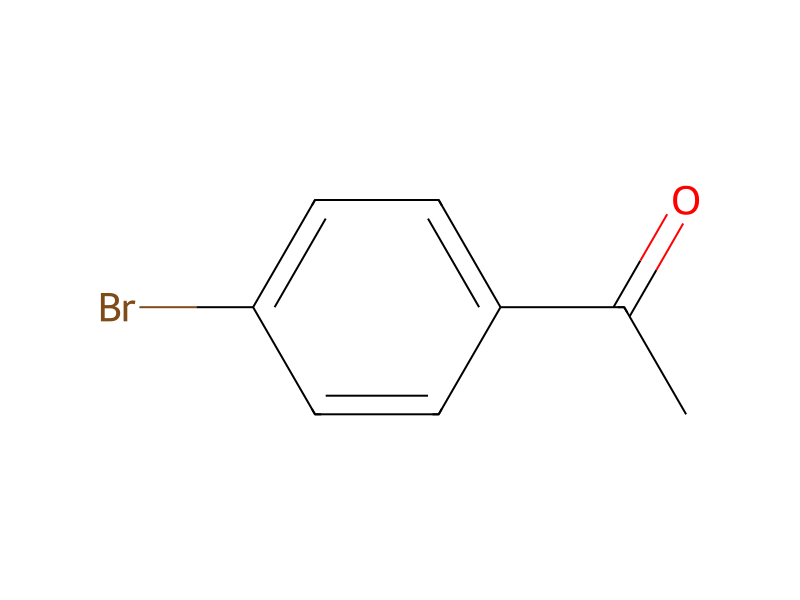
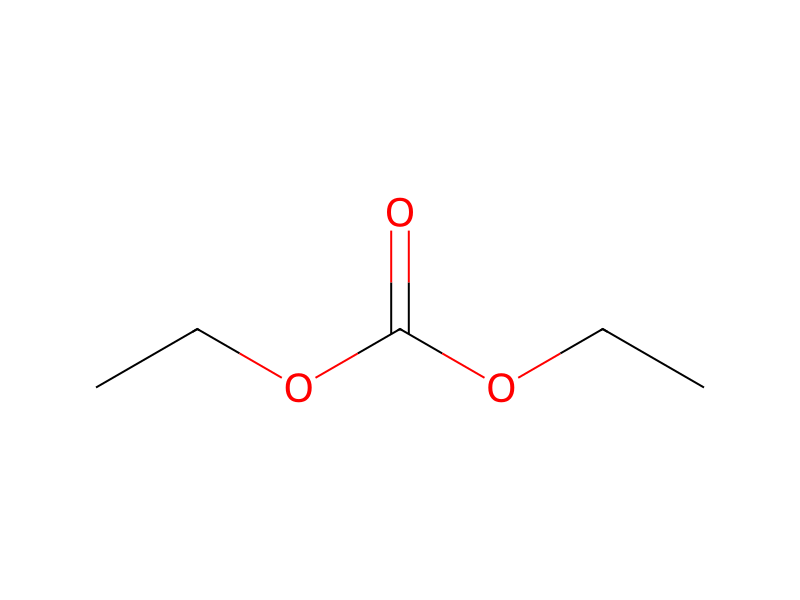
[CH3:1][C:2]([C:4]1[CH:9]=[CH:8][C:7]([Br:10])=[CH:6][CH:5]=1)=[O:3].[C:11](=O)([O:15]CC)[O:12][CH2:13][CH3:14].[H-].[Na+].Cl>C(O)C>[Br:10][C:7]1[CH:8]=[CH:9][C:4]([C:2](=[O:3])[CH2:1][C:11]([O:12][CH2:13][CH3:14])=[O:15])=[CH:5][CH:6]=1Participants
6
Reactant 4


Product 1

Reagents, catalysts & solvents 1

Procedure
To a mixture of 4-bromoacetophenone (80 g, 0.40 mol), ethanol (1 ml) and diethyl carbonate (350 ml) was added sodium hydride (32 g, 60% in oil) by small portions under ice-cooling and the mixture was stirred at room temperature for 4 hrs. The reaction solution was cooled to 0° C. and 6N hydrochloric acid (200 ml) was added. The mixture was extracted with ethyl acetate (200, 100 ml). The extract was washed with water, dried over anhydrous magnesium sulfate and evaporated under reduced pressure. The residue was purified by silica gel chromatography (hexane:ethyl acetate=10:1-5:1) to give the objective substance (108.9 g, quantitative) as an oil.
Workup
- temperaturecooling
- temperatureThe reaction solution was cooled to 0° C.
- extractionThe mixture was extracted with ethyl acetate (200, 100 ml)
- washThe extract was washed with water
- dry with materialdried over anhydrous magnesium sulfate
- customevaporated under reduced pressure
- customThe residue was purified by silica gel chromatography (hexane:ethyl acetate=10:1-5:1)
- customto give the objective substance (108.9 g, quantitative) as an oil
Sources & evidence
- ORD record
- ord-73372ff27c03442eb3d2f95ac242d423
- Source dataset
- uspto-grants-2006_01
- Patent number
- US06982348B2
Reaction notes
Loading…