Hydrochloric Acid → 1,3-Dimethyl 2-(4-bromo-2-nitrophenyl)propanedioate
Reaction equation

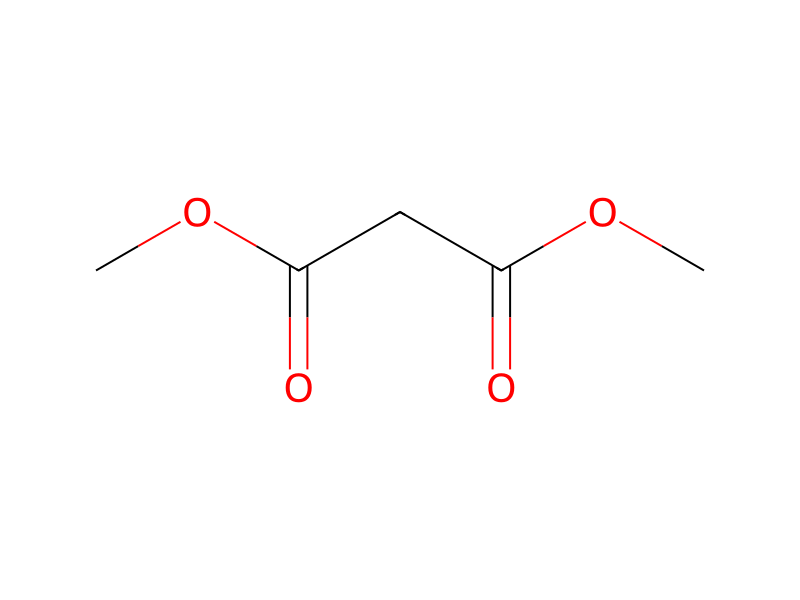
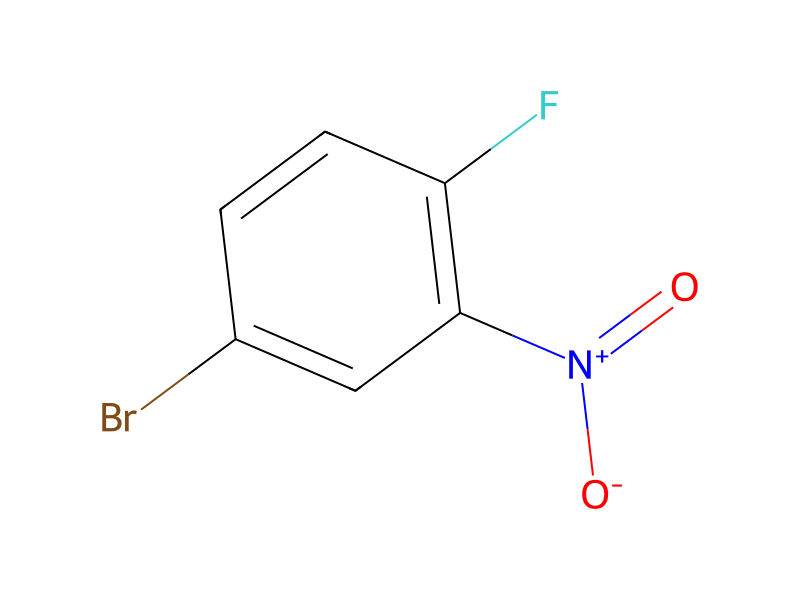
C(=O)([O-])[O-].[K+].[K+].[C:7]([O:14][CH3:15])(=[O:13])[CH2:8][C:9]([O:11][CH3:12])=[O:10].[Br:16][C:17]1[CH:22]=[CH:21][C:20](F)=[C:19]([N+:24]([O-:26])=[O:25])[CH:18]=1.Cl>CN(C=O)C>[Br:16][C:17]1[CH:22]=[CH:21][C:20]([CH:8]([C:7]([O:14][CH3:15])=[O:13])[C:9]([O:11][CH3:12])=[O:10])=[C:19]([N+:24]([O-:26])=[O:25])[CH:18]=1Participants
6




Procedure
Prepared according to procedure G using potassium carbonate (94.23 g, 681.8 mmol), dimethyl malonate (39.1 mL, 340.9 mmol) and 4-bromo-1-fluoro-2-nitrobenzene (28 mL, 227.27 mmol) in DMF (227 mL). After pouring over 200 mL of 2N aqueous HCl the precipitate was collected by filtration and washed with water (4 L) to give dimethyl 2-(4-bromo-2-nitrophenyl)malonate. Mass Spectrum (ESI) m/e=332 [(M+1) (79Br)] and 334 [(M+1) (81Br)].
Workup
- customPrepared
- filtrationwas collected by filtration
- washwashed with water (4 L)
Sources & evidence
- ORD record
- ord-f0fdedef29004b2aaed506c3305bf376
- Source dataset
- uspto-grants-2014_07
- Patent number
- US08765940B2
Reaction notes
Loading…