Hydrogen Peroxide → Catechol
Reaction equation

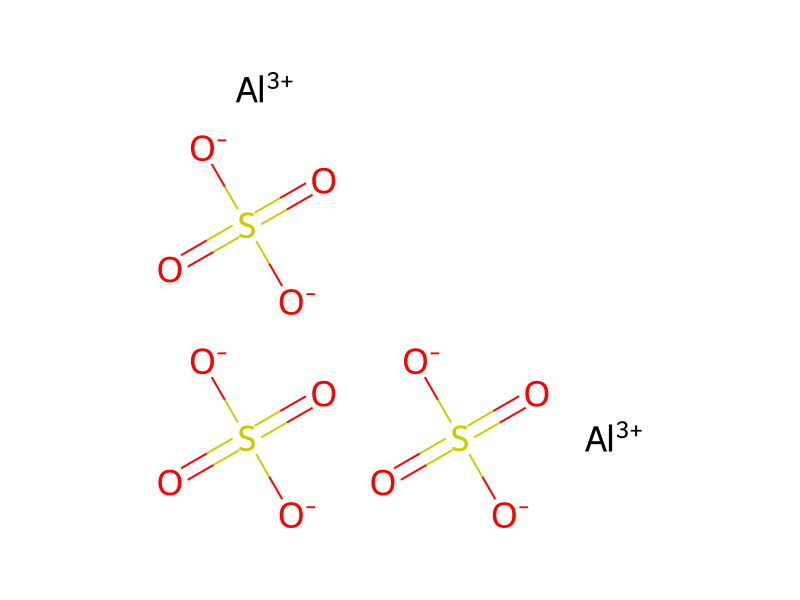
[C:1]1([OH:7])[CH:6]=[CH:5][CH:4]=[CH:3][CH:2]=1.OO.S([O-])([O-])(=O)=[O:11].[Al+3].S([O-])([O-])(=O)=[O:17].S([O-])([O-])(=O)=O.[Al+3]>>[C:1]1([C:6](=[CH:5][CH:4]=[CH:3][CH:2]=1)[OH:11])[OH:7].[C:1]1([CH:6]=[CH:5][C:4]([OH:17])=[CH:3][CH:2]=1)[OH:7]Participants
5




Procedure
10 g. (106 m. moles) of phenol, 8.20 m. moles of the ketone indicated in Table 3, 0.300 g. (5.29 m. moles) of 60 percent hydrogen peroxide, 0.070 g. of aluminum sulfate (Al2 (SO4)3.18H2O) (miligramion 0.315 of SO4 --) were mixed together and the resulting mixture was reacted at 100° C. for 30 minutes in the same manner as in Example 1. Yields of catechol and hydroquinone are shown in Table 3.
Workup
- customthe resulting mixture was reacted at 100° C. for 30 minutes in the same manner as in Example 1
Sources & evidence
- ORD record
- ord-50e9a49371eb4260a2e770a0535734f8
- Source dataset
- uspto-grants-1978_03
- Patent number
- US04078006
Reaction notes
Loading…