Hydrogen Peroxide → Catechol
Reaction equation

[C:1]1([OH:7])[CH:6]=[CH:5][CH:4]=[CH:3][CH:2]=1.OO.S([O-])([O-])(=O)=[O:11].[Al+3].S([O-])([O-])(=O)=[O:17].S([O-])([O-])(=O)=O.[Al+3]>CC(C)CC(=O)C>[C:1]1([C:6](=[CH:5][CH:4]=[CH:3][CH:2]=1)[OH:11])[OH:7].[C:1]1([CH:6]=[CH:5][C:4]([OH:17])=[CH:3][CH:2]=1)[OH:7]Participants
6
Reactant 3


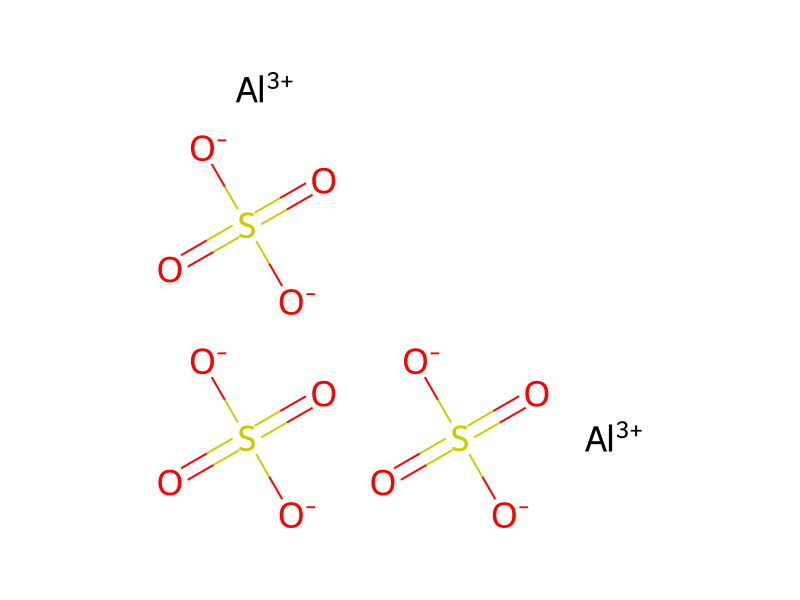
Product 2


Reagents, catalysts & solvents 1

Procedure
With 10 g. (106 m. moles) of phenol were admixed the indicated ratios of 60 percent hydrogen peroxide and 4-methyl-2-pentanone in Table 5 and to the resulting mixture was added 0.070 g. of aluminum sulfate (Al2 (SO4)3.18H2O). The resulting mixture was reacted to 100° C. for 30 minutes in the same manner as in Example 1. Yields of catechol and hydroquinone are shown in Table 5.
Workup
- additionto the resulting mixture was added 0.070 g
- customThe resulting mixture was reacted to 100° C. for 30 minutes in the same manner as in Example 1
Sources & evidence
- ORD record
- ord-a32c767ff17b40d6b843420680196e5f
- Source dataset
- uspto-grants-1978_03
- Patent number
- US04078006
Reaction notes
Loading…