Hydrogen Peroxide → Catechol
Reaction equation

[C:1]1([OH:7])[CH:6]=[CH:5][CH:4]=[CH:3][CH:2]=1.OO.S([O-])([O-])(=O)=[O:11].[Al+3].S([O-])([O-])(=O)=[O:17].S([O-])([O-])(=O)=O.[Al+3]>CC(C)CC(=O)C>[C:1]1([C:6](=[CH:5][CH:4]=[CH:3][CH:2]=1)[OH:11])[OH:7].[C:1]1([CH:6]=[CH:5][C:4]([OH:17])=[CH:3][CH:2]=1)[OH:7]Participants
6
Reactant 3


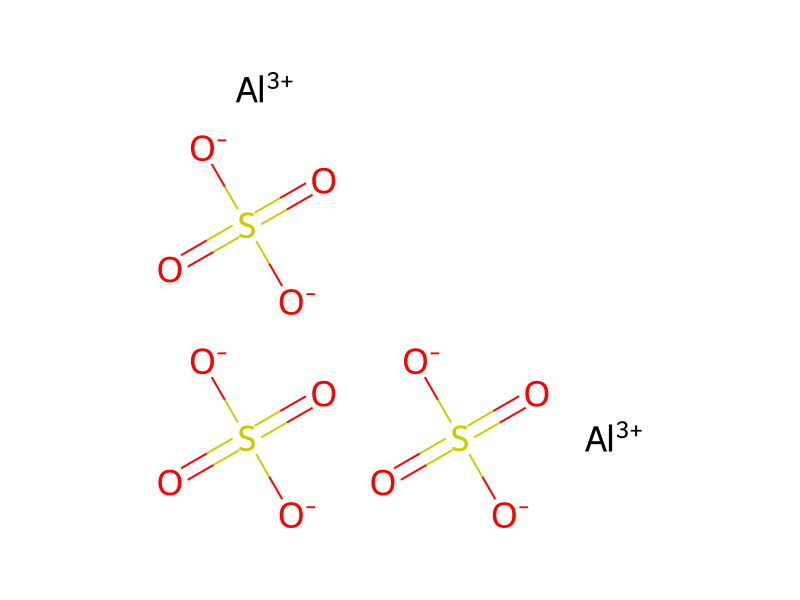
Product 2


Reagents, catalysts & solvents 1

Procedure
10 g. (106 m. moles) of phenol, 0.222 g. (3.93 m. moles) of 60 percent hydrogen peroxide, 0.590 g. (5.90 m. moles) of 4-methyl-2-pentanone and 0.070 g. of aluminum sulfate (Al2 (SO4)3.18H2O) were mixed together and the reacton was effected at the indicated temperature for the indicated period of time in Table 6. Yields of catechol and hydroquinone are shown in Table 6.
Sources & evidence
- ORD record
- ord-550044c38b304c2dabd4c01715958df0
- Source dataset
- uspto-grants-1978_03
- Patent number
- US04078006
Reaction notes
Loading…