Ammonia → Styrene
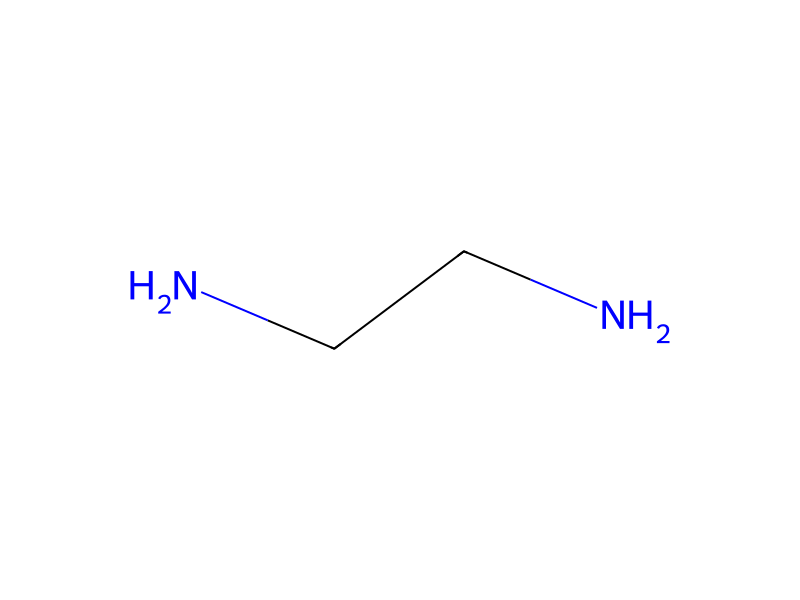
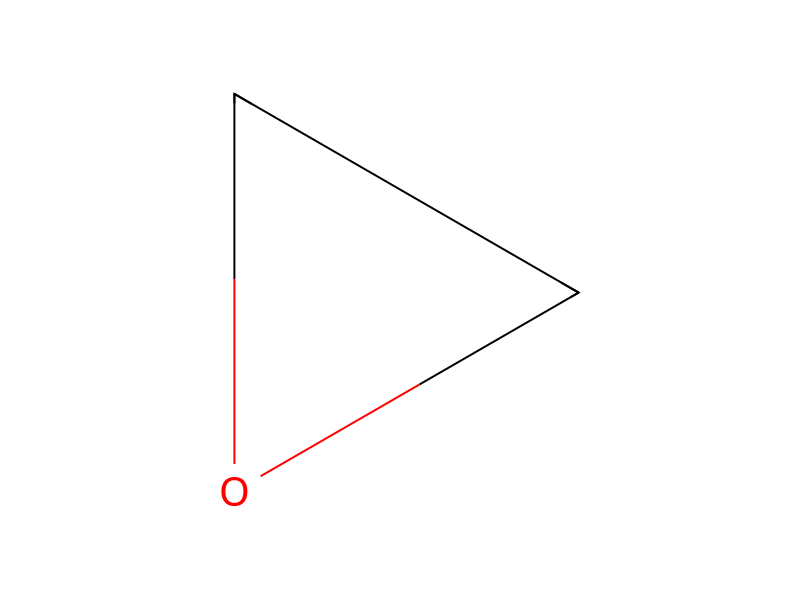
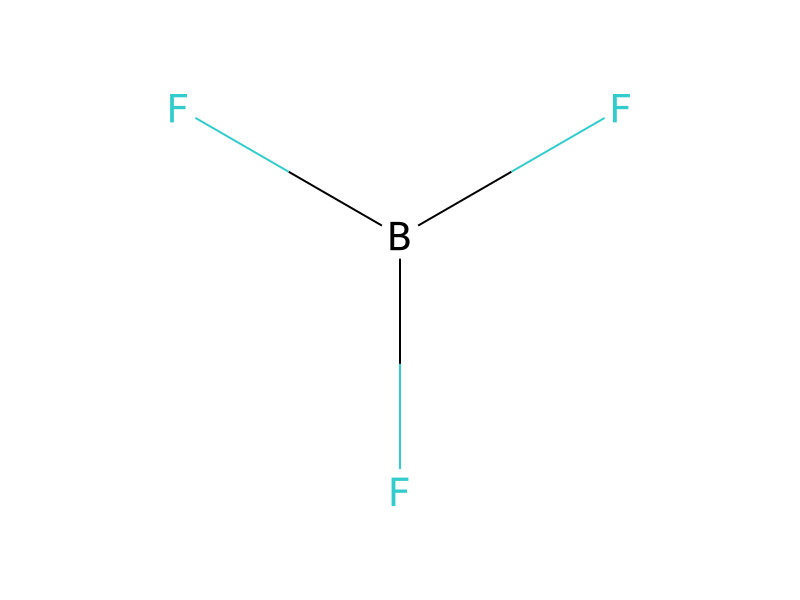
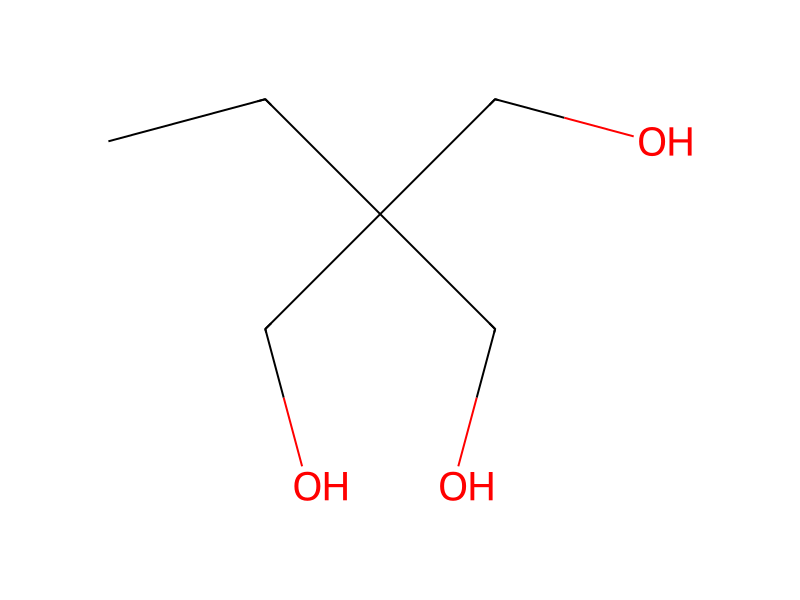
Reaction equation

[CH2:1]1O[CH2:2]1.[CH2:4]1O[CH:5]1[CH3:6].[CH2:8]1O[CH:9]1C1C=CC=CC=1.[CH2:17](C1OC1)Cl.B(F)(F)F.C(C(CO)(CO)CC)O.[NH2:35][C:36]1C=CC=CC=1.N.C(CN)O.C(N)CN>C(O)CO.O.O1CCCC1>[CH2:8]=[CH:9][C:2]1[CH:1]=[CH:17][CH:4]=[CH:5][CH:6]=1.[C:36](#[N:35])[CH:1]=[CH2:2]Participants
Reactant 10






Product 2


Reagents, catalysts & solvents 3



Procedure
Suitable polyethers containing from 2 to 8, preferably 2 or 3 hydroxyl groups may be prepared, for example, by polymerising epoxides such as ethylene oxide, propylene oxide, butylene oxide, tetrahydrofuran, styrene oxide or epichlorohydrin, each with itself, e.g. in the presence of BF3, or by addition of these epoxides either as mixtures of successively to starting components which contain reactive hydrogen atoms such as alcohols or amines, e.g. water, ethylene glycol, propylene-1,3- or -1,2-glycol, trimethylolpropane, 4,4'-dihydroxy-diphenylpropane, aniline, ammonia, ethanolamine or ethylene diamine. Sucrose polyethers, e.g. those described in German Auslegeschriften Nos. 1,176,358 and 1,064,938, may also be used for the process according to the invention. It is frequently preferred to use those polyethers which contain predominantly primary hydroxyl groups (up to 90% by weight, based on all the hydroxyl groups present in the polyether). Polyethers which have been modified with vinyl polymers, e.g. the modified polyethers obtained by the polymerisation of styrene or acrylonitrile in the presence of polyethers (U.S. Pat. Nos. 3,383,351; 3,304,273; 3,523,093 and 3,110,695 and German patent specification No. 1,152,536) and polybutadienes which contain hydroxyl groups are also suitable. Among the polythioethers may be particularly the condensation products of thiodiglycol with itself and/or with other glycols, dicarboxylic acids, formaldehyde, aminocarboxylic acids or amino alcohols. The products obtained are either polythio mixed ethers or polythioether esters or polythioether ester amides, depending on the co-components. Suitable polyacetals are, for example, the compounds which can be obtained from glycols such as diethylene glycol, triethylene glycol, 4,4'-dihydroxy'ethoxy-diphenyldimethyl-methane, hexanediol and formaldehyde. Polyacetals suitable for the purpose of the invention may also be obtained by polymerising cycling acetals. The hydroxyl-containing polycarbonates used may be those known per se, e.g. those obtained by reacting diols such as propane-1,3-diol, butane-1,4-diol and/or hexane-1,6-diol, diethylene glycol, triethylene glycol or tetraethylene glycol with diaryl carbonates such as diphenylcarbonate or phosgene. The polyester amides and polyamides also include, for example, the predominantly linear condensates obtained from polybasic saturated and unsaturated carboxylic acids or their anhydrides and polyvalent saturated and unsaturated amino alcohols, diamines, polyamines and their mixtures. Polyhydroxyl compounds which already contain urethane or urea groups or modified or unmodified natural polyols such as castor oil, carbohydrates or starch may also be used. Addition products of alkylene oxides with phenol formaldehyde resins or with urea formaldehyde resins are also suitable for the purpose of the invention. Representatives of these classes of compounds which are suitable for the invention have been described, for example, in High Polymers, Vol. XVI, "Polyurethanes, Chemistry and Technology", published by Saunders-Frisch, Interscience Publishers, New York, London, Volume I, 1962, pages 32-42 and pages 44-45 and Volume II, 1964, pages 5-6 and 198 and 199 and in Kunststoff-Handbuch, Volume VII, Vieweg-Hochtlen, Carl-Hanser-Verlag Munich, 1966, e.g. on pages 45 to 71. The diisocyanates or polyisocyanates used for the reaction with the polyols (to form the so-called isocyanate prepolymers) may be aliphatic, cycloaliphatic, araliphatic, aromatic or heterocyclic polyisocyanates (see Ann. 562, pages 75 to 136), for example ethylene diisocyanate; tetramethylene-1,4-diisocyanate; hexamethylene-1,6-diisocyanate; dodecane-1,12-diisocyanate; cyclobutane-1,3-diisocyanate; cyclohexane-1,3- and -1,4-diisocyanate and any mixtures of these isomers; 1-isocyanato-3,3,5-trimethyl-5-isocyanatomethyl-cyclohexyne (German Auslegeschrift No. 1,202,685); hexahydrotolylene-2,4- and -2,6-diisocyanate and any mixtures of these isomers; hexahydrophenylene-1,3- and/or 1,4-diisocyanate; perhydro-2,4'- and/or 4,4'-diisocyanate; phenylene-1,3- and -1,4-diisocyanate; tolylene-2,4- and -2,6-diisocyanate and any mixtures of these isomers; diphenylmethane-2,4'- and/or 4,4'-diisocyanate; naphthylene-1,5-diisocyanate; triphenylmethane-4,4,4"-triisocyanate; polyphenyl-polymethylene polyisocyanates (obtained by aniline-formaldehyde condensation followed by phosgenation in accordance with British patent specification No. 874,430 and 848,671); perchlorinated aryl polyisocyanates (see German Auslegeschrift No. 1,157,601); polyisocyanates which contain carbodiimide groups (see German patent specification No. 1,092,007); diisocyanates according to U.S. Pat. No. 3,492,330; polyisocyanates which contain allophanate groups (see British patent specification No. 994,890; Belgian patent specification No. 761,626 and Dutch patent application No. 7,102,524); polyisocyanates which contain isocyanurate groups (see German patent specifications Nos. 1,022,789; 1,222,067 and 1,027,394; German Offenlegungsschriften Nos. 1,929,034 and 2,004,048); polyisocyanates which contain urethane groups (see Belgian patent specification No. 752,261 and U.S. Pat. No. 3,394,164); polyisocyanates which contain acylated urea groups (see German patent specification No. 1,230,778); polyisocyanates which contain biuret groups (see German patent specification No. 1,101,394; British patent specification No. 889,050 and French patent specification No. 7,017,514); polyisocyanates which have been prepared by telomerisation reactions (see Belgian patent specification No. 723,640); polyisocyanates which contain ester groups (see British patent specification Nos. 956,474 and 1,072,956; U.S. Pat. No. 3,567,763 and German patent specification No. 1,231,688) and reaction products of the above mentioned isocyanates with acetals (see German patent specification No. 1,072,385).
Sources & evidence
- ORD record
- ord-0e3d275e266c46f4ae5e4a0c663507f0
- Source dataset
- uspto-grants-1983_04
- Patent number
- US04379071
Reaction notes
Loading…