Hydrochloric Acid → Glucosamine
Reaction equation

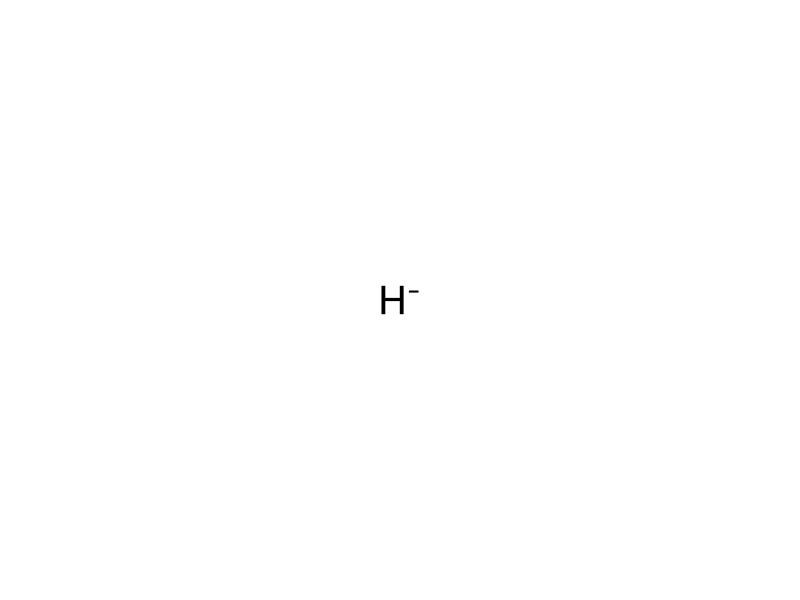
Cl.[OH:2][CH:3]1[O:11][C@H:10]([CH2:12][OH:13])[C@@H:8]([OH:9])[C@H:6]([OH:7])[C@H:4]1[NH2:5].C(=O)(O)[O-].[Na+].Cl.C([BH3-])#N.[Na+].[H-]>>[NH2:5][C@H:4]([C@H:6]([C@@H:8]([C@@H:10]([CH2:12][OH:13])[OH:11])[OH:9])[OH:7])[CH:3]=[O:2]Participants
6





Procedure
Reactions of carboxymethyl cellulose sodium salt (0.5-1.0% w/v) were carried out with glucosamine-hydrochloride (1.5-3.0% w/v) in the presence of equimolar amounts of base, such as a sodium bicarbonate solution (0.55-1.1% w/v) to neutralize the hydrochloride, sodium cyanoborohydride as hydride and as reducing reagent (0.27-0.50% w/v), at room temperature, producing 2-amino-2-deoxy-glucose derivatives of carboxymethyl cellulose with nitrogen incorporation values of 2.60-3.07%, as shown in Table 2, page 17.
Sources & evidence
- ORD record
- ord-5a6db7e880f841abafbaac8db2cd53bf
- Source dataset
- uspto-grants-1990_08
- Patent number
- US04952684
Reaction notes
Loading…