Hydrochloric Acid → Benzoic Acid
Reaction equation

N([O-])=O.[Na+].Cl.[C-]#N.[Na+].C([Cu])#N.[OH-].[Na+].N(OS(=O)(=O)O)=O.CI.[C:23]([O-:26])([O-])=[O:24].[K+].[K+].C1C(=O)N(Br)C(=O)C1.Br[C:38]1[CH:44]=[CH:43][C:41](N)=[CH:40][CH:39]=1.[Cu](C#N)C#N>>[C:23]([OH:26])(=[O:24])[C:38]1[CH:44]=[CH:43][CH:41]=[CH:40][CH:39]=1Participants
Reactant 11
 HCID 313Hydrochloric Acid2×
 HCID 6328Methyl iodide
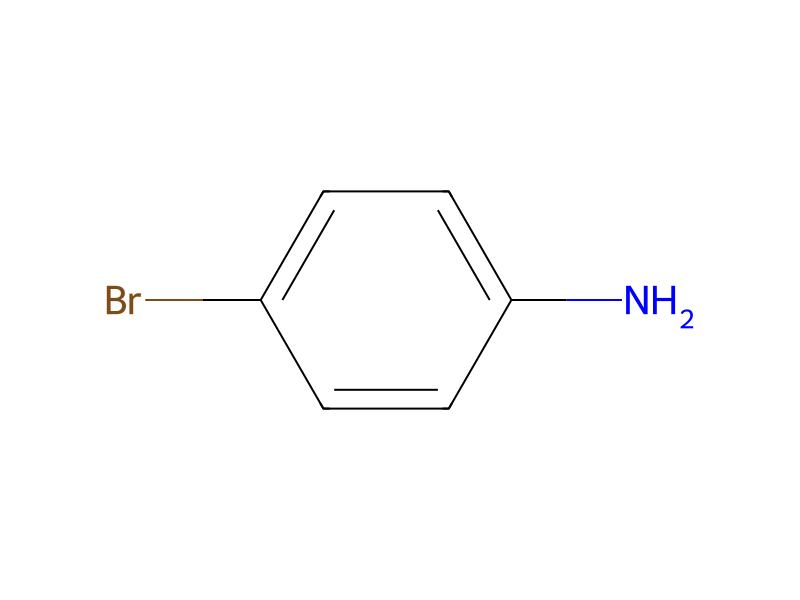 HCID 78074-Bromoaniline
 HCID 8929Sodium Cyanide2×
 HCID 11430Potassium Carbonate
 HCID 14798Sodium Hydroxide
 HCID 67184N-bromobutanimide
 HCID 82157Nitrosylsulfuric acid2×
 HCID 23668193Sodium Nitrite
 HCID 178418260HCID 178418260, compound
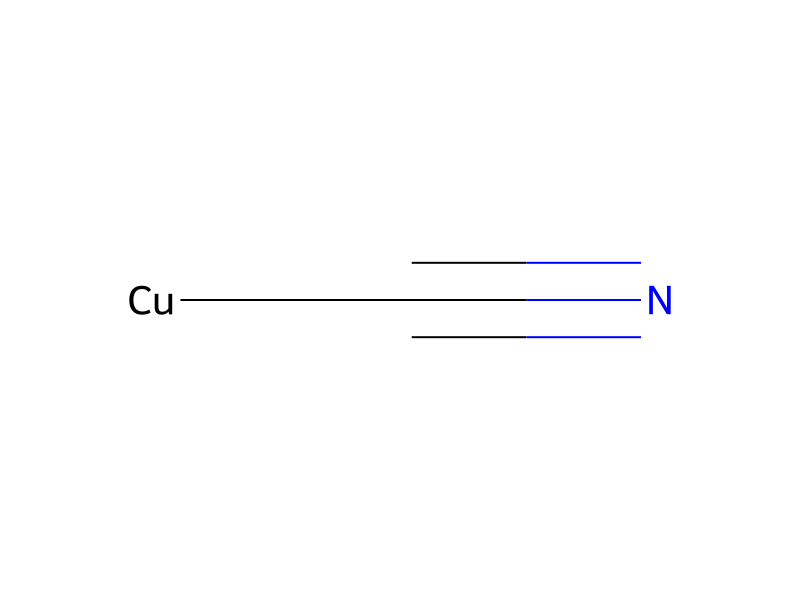 HCID 178418546HCID 178418546, compound
Product 1
Procedure
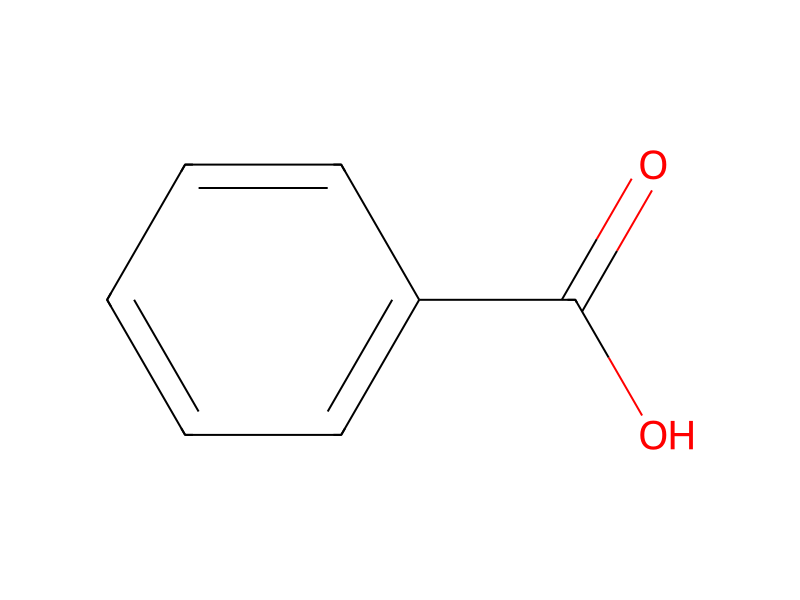
Scheme 1 illustrates a representative synthesis of a 6-substituted 4-bromo-2-bromomethyl-benzoic acid methyl ester from commercially available precursors wherein the respective reaction steps comprise as follows: (a) NaNO2, aq. HCl; (b) NaCN, CuCN and HCl; (c) NaOH; (d) nitrososulphuric acid; (e) MeI and K2CO3, and (f) NBS and (PhCO2)2. Briefly, a 4-bromo-aniline may be diazotized under Sandmeyer reaction conditions, followed by conversion to the nitrile using sodium cyanide and copper cyanide. The nitrile may then be hydrolyzed to an amide by basic hydrolysis. The amide can then be hydrolyzed with nitrososulphuric acid to provide a benzoic acid, which may be converted to a methyl ester under standard conditions. The benzylic methyl group may be monobrominated with N-bromosuccinimide using benzoyl peroxide as a radical initiator to yield a desired 6-substituted 4-bromo-2-bromomethyl-benzoic acid methyl ester.
Workup
- customthe respective reaction steps
Sources & evidence
- ORD record
- ord-6dd9bdc1d321434dbc069ed3f311faee
- Source dataset
- uspto-grants-2010_09
- Patent number
- US07790760B2
Reaction notes
Loading…