2-Bromopyridine → Ethyl 1-(pyridin-2-yl)-1H-pyrazole-4-carboxylate
Reaction equation

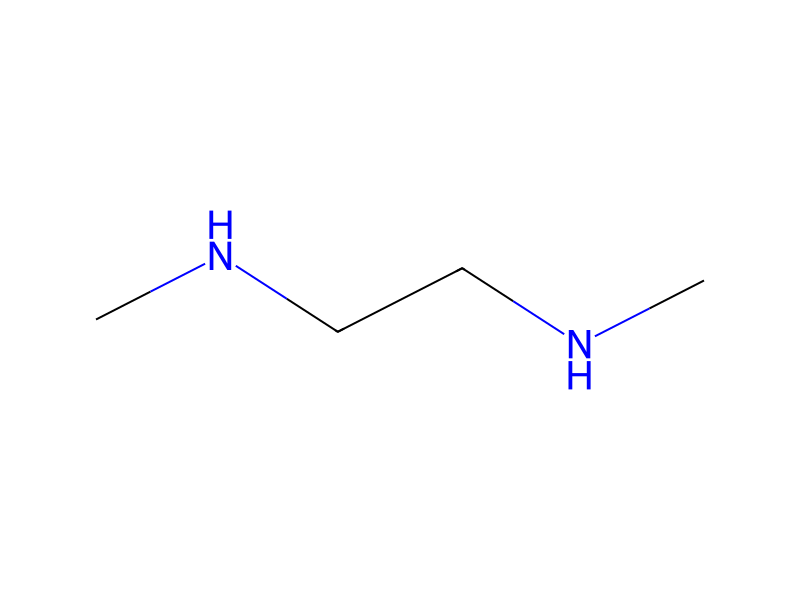
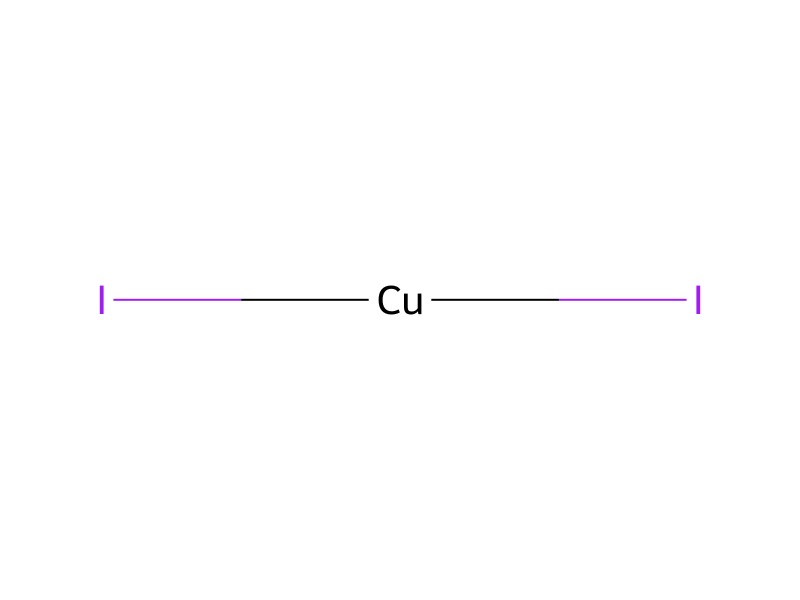
[NH:1]1[CH:5]=[C:4]([C:6]([O:8][CH2:9][CH3:10])=[O:7])[CH:3]=[N:2]1.Br[C:12]1[CH:17]=[CH:16][CH:15]=[CH:14][N:13]=1.CNCCNC.C(=O)([O-])[O-].[K+].[K+]>C1(C)C=CC=CC=1.CCOC(C)=O.[Cu](I)I>[N:13]1[CH:14]=[CH:15][CH:16]=[CH:17][C:12]=1[N:1]1[CH:5]=[C:4]([C:6]([O:8][CH2:9][CH3:10])=[O:7])[CH:3]=[N:2]1Participants
8
Reactant 4



Product 1

Reagents, catalysts & solvents 3


Conditions
- Temperature
- 110 °C
Procedure
A mixture of ethyl 1H-pyrazole-4-carboxylate (1.57 g, 11.2 mmol), 2-bromopyridine (5.5 mL, 57.7 mmol), copper iodide (0.463 g, 2.43 mmol), N,N′-dimethylethane-1,2-diamine (1.00 mL, 9.17 mmol) and potassium carbonate (3.32 g, 24.0 mmol) in toluene (50 mL) was allowed to stir at 110° C. overnight. The reaction mixture was allowed to cool to rt and then diluted with EtOAc. The organic mixture was filtered (filter paper) and the residue was purified by column chromatography to give ethyl 1-pyridin-2-yl-1H-pyrazole-4-carboxylate (1.66 g) as a white solid. LCMS: (FA) ES+ 218.4.
Workup
- temperatureto cool to rt
- filtrationThe organic mixture was filtered
- filtration(filter paper)
- customthe residue was purified by column chromatography
Sources & evidence
- ORD record
- ord-5642a3cd296a4a58ae4eb618dc863c54
- Source dataset
- uspto-grants-2010_09
- Patent number
- US07795249B2
Reaction notes
Loading…