Ammonia → Acrylonitrile
Reaction equation

[NH3:1].C.CC.[CH3:5][CH2:6][CH3:7].CCCC.[CH3:12][CH:13]([CH3:15])[CH3:14]>C1CCCCC1.CCCCCCC.CCCCCC.CCCCC>[C:5](#[N:1])[CH:6]=[CH2:7].[C:12](#[N:1])[C:13]([CH3:15])=[CH2:14]Participants
12






Procedure
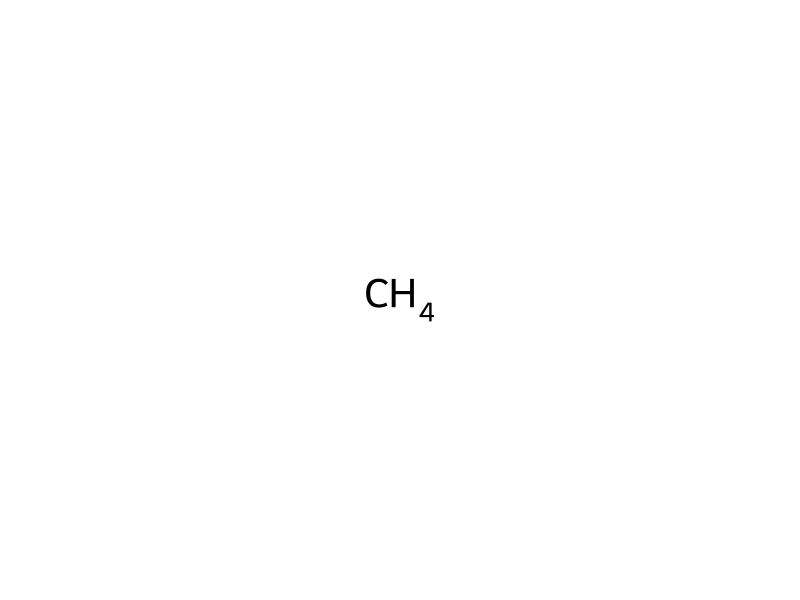
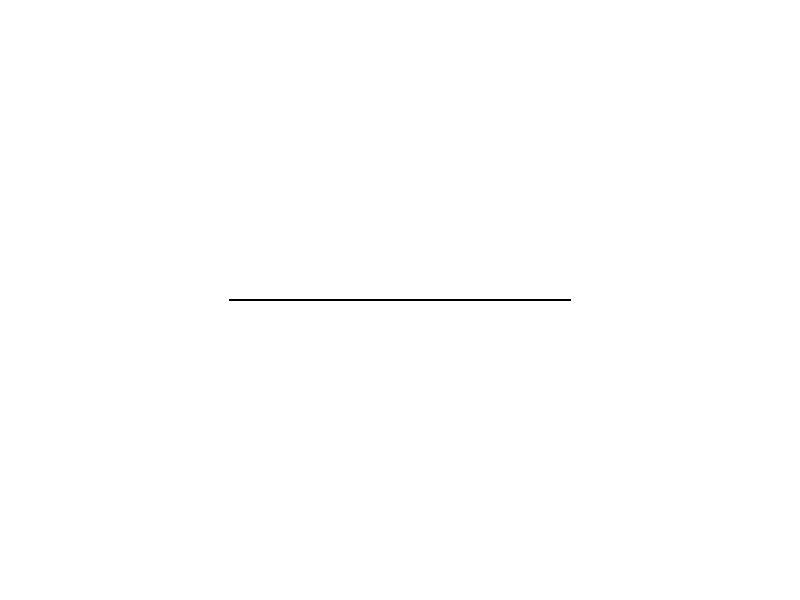
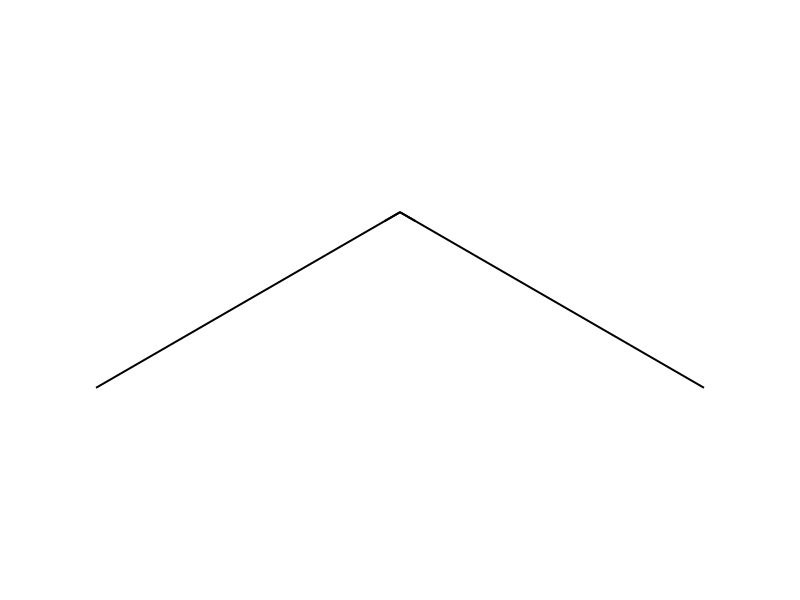
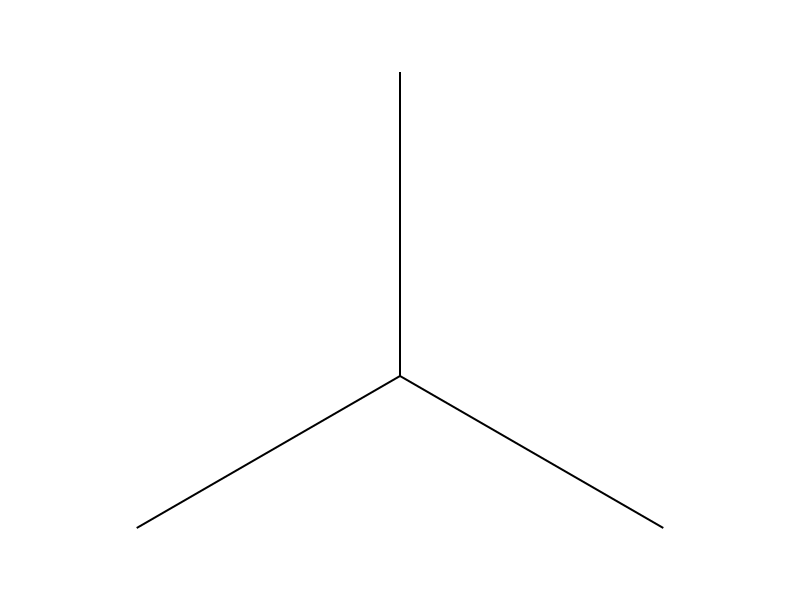
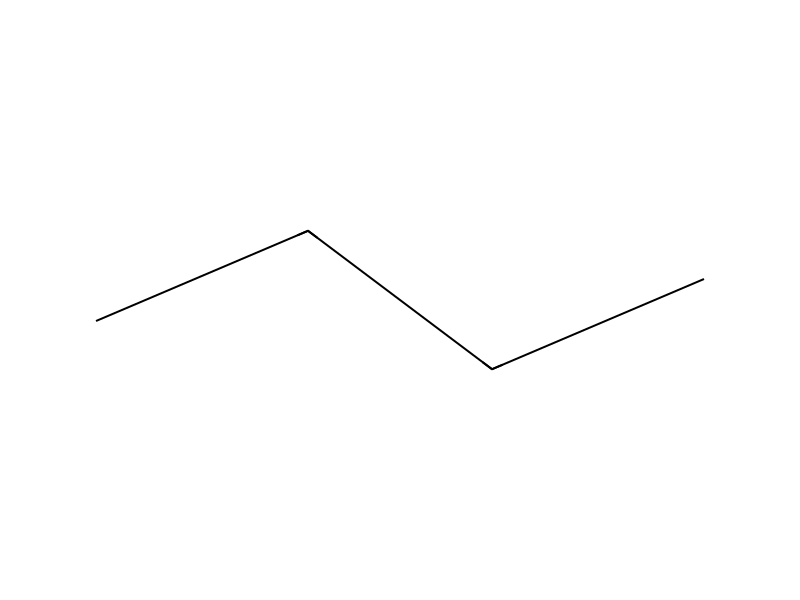
The reaction used in the present invention is a gas phase catalytic oxidation reaction of an alkane with ammonia, i.e. an ammoxidation reaction of an alkane. As the alkane, methane, ethane, propane, n-butane, isobutane, pentane, hexane, heptane, or cyclohexane may, for example, be mentioned. Taking the industrial application of the resulting nitrile into consideration, however, it is preferred to employ a C1-4 alkane, particularly propane and/or butane, from a viewpoint such that as the resulting nitrile, acrylonitrile and/or methacrylonitrile can be obtained in good yield.
Sources & evidence
- ORD record
- ord-a01d6f40f5ed41238c0e28c0cdbc75dc
- Source dataset
- uspto-grants-1996_07
- Patent number
- US05534650
Reaction notes
Loading…