Potassium Carbonate → Methyl 4-(cyclopropylmethoxy)-3-formylbenzoate
Reaction equation

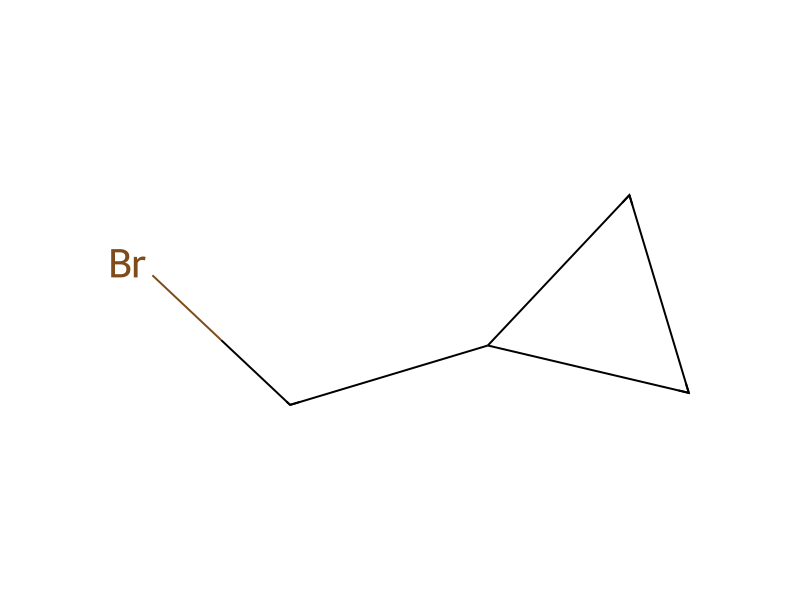
[CH:1]([C:3]1[CH:4]=[C:5]([CH:10]=[CH:11][C:12]=1[OH:13])[C:6]([O:8][CH3:9])=[O:7])=[O:2].C([O-])([O-])=O.[K+].[K+].Br[CH2:21][CH:22]1[CH2:24][CH2:23]1>CN(C=O)C>[CH:22]1([CH2:21][O:13][C:12]2[CH:11]=[CH:10][C:5]([C:6]([O:8][CH3:9])=[O:7])=[CH:4][C:3]=2[CH:1]=[O:2])[CH2:24][CH2:23]1Participants
5




Procedure
To a solution of methyl 3-formyl-4-hydroxybenzoate (2 g, 11.10 mmol) in DMF (20 ml), K2CO3 (3.07 mg, 22.2 mmol) and (bromomethyl)cyclopropane (2.156 ml, 22.2 mmol) were added. The mixture was stirred at RT for 2 hours. The reaction was quenched with water, and the product was extracted with EtOAc. The organic layer was washed with water (2×) and NaCl sat. sol., dried over Na2SO4 and evaporated under vacuum to give 2.6 g of the desired compound (quantitative yield).
Workup
- customThe reaction was quenched with water
- extractionthe product was extracted with EtOAc
- washThe organic layer was washed with water (2×) and NaCl sat. sol.
- dry with materialdried over Na2SO4
- customevaporated under vacuum
Sources & evidence
- ORD record
- ord-ca236f6f03274621bcc470c04d30c5d4
- Source dataset
- uspto-grants-2016_02
- Patent number
- US09265768B2
Reaction notes
Loading…