Citric Acid → Citric Acid
Reaction equation

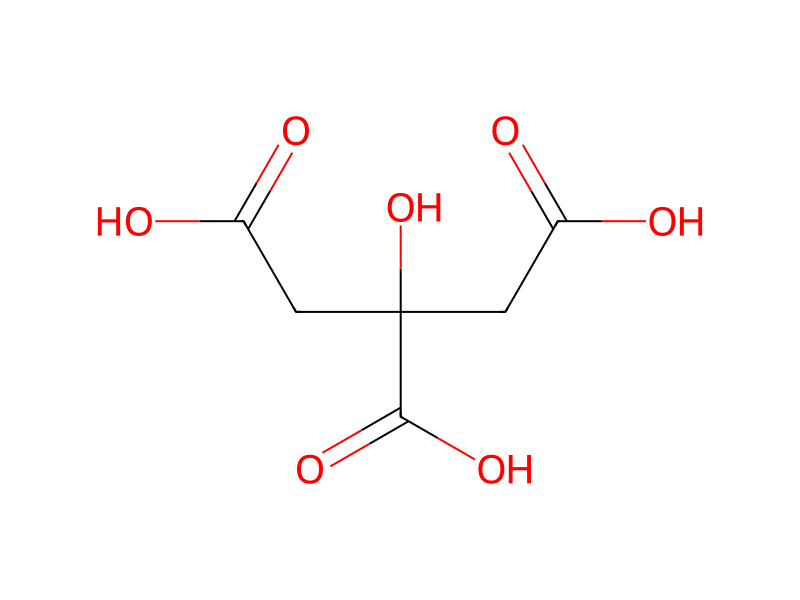
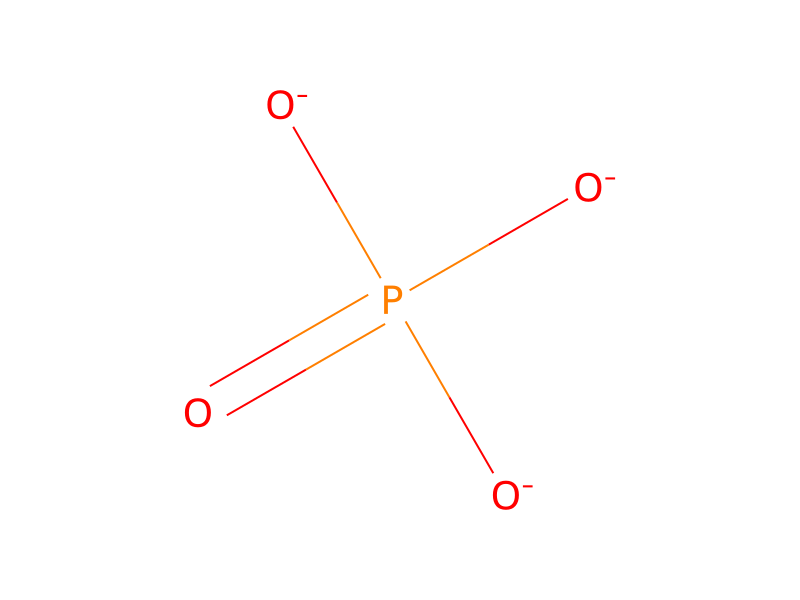
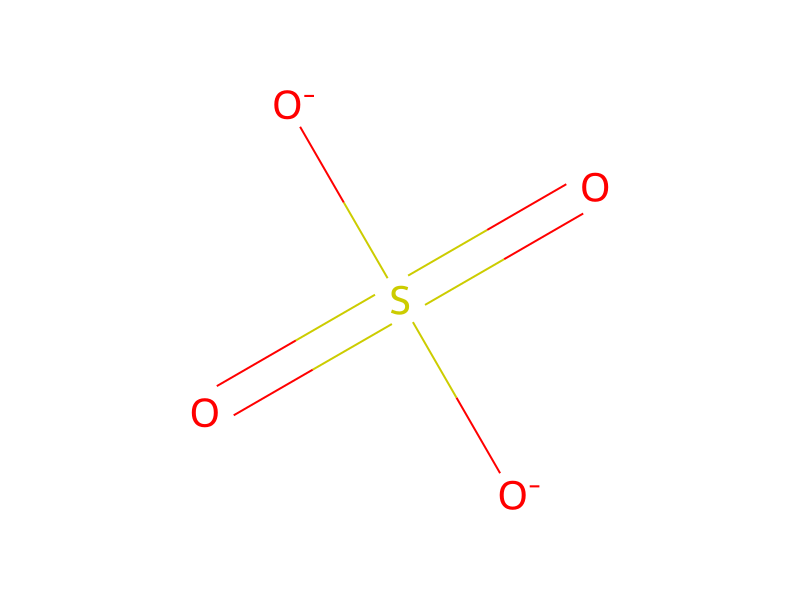
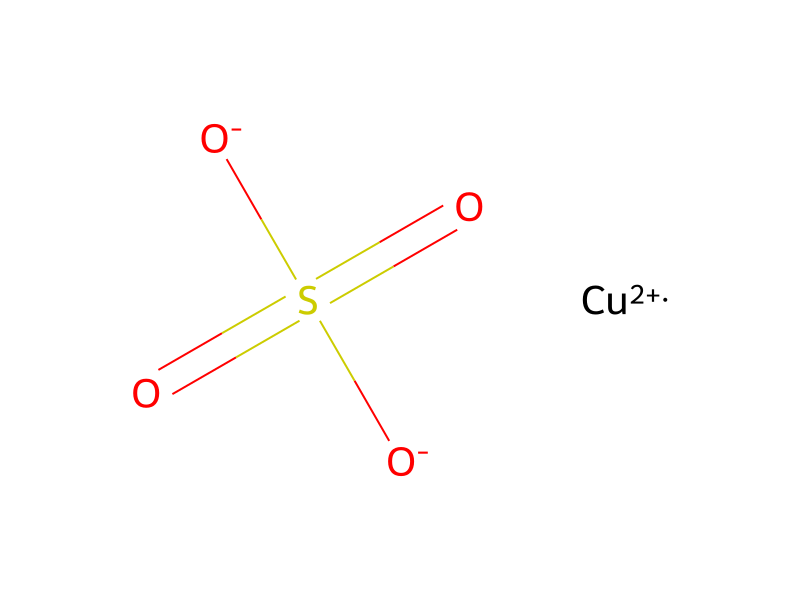
[C:1]([OH:13])(=[O:12])[CH2:2][C:3]([CH2:8][C:9]([OH:11])=[O:10])([C:5]([OH:7])=[O:6])[OH:4].[Cu:14].C(=O)([O-])[O-].[S:19]([O-:23])([O-:22])(=[O:21])=[O:20].[Cl-].[N+]([O-])([O-])=O.P([O-])([O-])([O-])=O>>[S:19]([O-:23])([O-:22])(=[O:21])=[O:20].[Cu+2:14].[C:1]([OH:13])(=[O:12])[CH2:2][C:3]([CH2:8][C:9]([OH:11])=[O:10])([C:5]([OH:7])=[O:6])[OH:4]Participants
9




Procedure
This example presents a synopsis of biocidal solution design calculations for a biocidal solution comprised of citric acid (the ligand, or complexing agent) and copper. One gallon of sewage effluent containing bacteria could be treated with one drop of stock solution prepared as follows. For this example, a biocide solution of copper sulfate and citric acid is prepared. Other chemical species present in sewage effluent are carbonate, sulfate, chloride, nitrate and especially phosphate, all of which have the potential for decreasing copper effectiveness via precipitation of copper (carbonate, and phosphate), or increasing copper complexation thereby increasing the total available copper.
Workup
- additionOne gallon of sewage effluent containing bacteria
- additioncould be treated with one drop of stock solution
- customprepared
- customvia precipitation of copper (carbonate, and phosphate)
- temperatureincreasing copper complexation
- temperaturethereby increasing the total available copper
Sources & evidence
- ORD record
- ord-d0e5da991214455380f3f6ed9e4608b4
- Source dataset
- uspto-grants-1997_05
- Patent number
- US05632904
Reaction notes
Loading…