Triethylamine → (E)-Ethyl 3-(5-amino-2-iodopyrimidin-4-yl)acrylate
Reaction equation

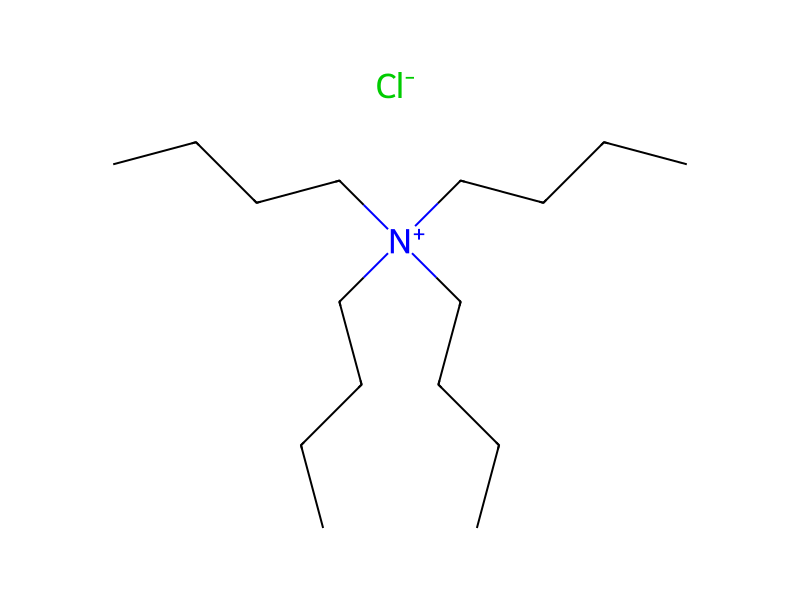
[I:1][C:2]1[N:7]=[C:6](I)[C:5]([NH2:9])=[CH:4][N:3]=1.C(N(CC)CC)C.[C:17]([O:21][CH2:22][CH3:23])(=[O:20])[CH:18]=[CH2:19]>O1CCOCC1.[Cl-].C([N+](CCCC)(CCCC)CCCC)CCC.C([O-])(=O)C.[Pd+2].C([O-])(=O)C>[NH2:9][C:5]1[C:6](/[CH:19]=[CH:18]/[C:17]([O:21][CH2:22][CH3:23])=[O:20])=[N:7][C:2]([I:1])=[N:3][CH:4]=1Participants
7
Reactant 3



Product 1

Reagents, catalysts & solvents 3


Conditions
- Temperature
- 90 °C
Procedure
A 3-necked roundbottom flask was purged and maintained under an atmosphere of nitrogen. 2,4-Diiodopyrimidin-5-amine (135 g, 389.4 mmol) in dioxane (1400 ml) was added followed by palladium(II) acetate (4.8 g, 19.63 mmol), triethylamine (157 g, 1.55 mol), ethyl acrylate (390 g, 3.90 mol), and tetrabutylammonium chloride (108 g, 389.9 mmol). The resulting solution was allowed to react, with stirring, for 16 hours while the temperature was maintained at 90° C. Upon completion, the mixture was concentrated under reduced pressure. The resulting residue was purified via silica gel chromatography eluting with 1:4 to 1:1 ethyl acetate/petroleum ether to afford the title compound.
Workup
- customA 3-necked roundbottom flask was purged
- temperaturemaintained under an atmosphere of nitrogen
- customto react
- concentrationUpon completion, the mixture was concentrated under reduced pressure
- customThe resulting residue was purified via silica gel chromatography
- washeluting with 1:4 to 1:1 ethyl acetate/petroleum ether
Sources & evidence
- ORD record
- ord-51a338a645dc43a3a71091f1c69ca483
- Source dataset
- uspto-grants-2013_01
- Patent number
- US08344144B2
Reaction notes
Loading…