Potassium Carbonate → HCID 86628676, compound
Reaction equation

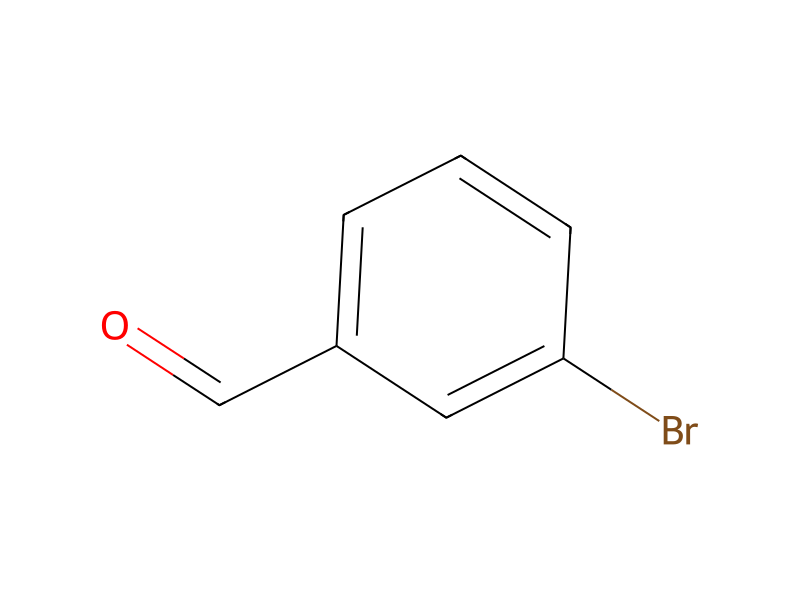
C1(P(C2C=CC=CC=2)C2C=CC=CC=2)C=CC=CC=1.[CH2:20]([C:24]1[S:28][C:27]([S:29]([NH:32][C:33]([CH3:36])([CH3:35])[CH3:34])(=[O:31])=[O:30])=[C:26](B(O)O)[CH:25]=1)[CH:21]([CH3:23])[CH3:22].Br[C:41]1[CH:42]=[C:43]([CH:46]=[CH:47][CH:48]=1)[CH:44]=[O:45].C(=O)([O-])[O-].[K+].[K+]>COCCOC.[OH-].[Na+].C([O-])(=O)C.[Pd+2].C([O-])(=O)C.C(OCC)(=O)C.O.C(O)C>[CH:44]([C:43]1[CH:42]=[C:41]([C:26]2[CH:25]=[C:24]([CH2:20][CH:21]([CH3:23])[CH3:22])[S:28][C:27]=2[S:29]([NH:32][C:33]([CH3:36])([CH3:35])[CH3:34])(=[O:31])=[O:30])[CH:48]=[CH:47][CH:46]=1)=[O:45]Participants
Reactant 4



Product 1

Reagents, catalysts & solvents 6






Procedure
Palladium acetate (84.6 mg, 0.38 mmol) and triphenylphosphine (0.40 g, 1.52 mmol) in DME (5 mL) were stirred for 30 min under N2(g). The catalyst was then transferred into a nitrogen-flushed mixture of 5-iso-butyl-2-(N-tert-butylaminosulfonyl)thiophene-3-boronic acid (4.0 g, 12.56 mmol, see step (c) above), 3-bromobenzaldehyde (2.96 g, 25.12 mmol) and potassium carbonate (5.21 g, 37.7 mmol) in a solvent mixture of DME (28 mL), ethanol (8 mL), and water (12 mL). After stirring for 20 h at reflux under a N2 atmosphere, the reaction mixture was diluted with NaOH (1M solution, 50 mL) followed by ethyl acetate (150 mL). The organic layer was washed with water, and brine, dried (over anhydrous MgSO4), concentrated in vacuo, and the residue subjected to flash chromatography (20% ethyl acetate in petroleum ether, 230-400 mesh) to afford the title compound as colourless solid (3.9 g, 10.3 mmol, 82%).
Workup
- customflushed
- temperatureat reflux under a N2 atmosphere
- washThe organic layer was washed with water, and brine
- dry with materialdried (over anhydrous MgSO4)
- concentrationconcentrated in vacuo
Sources & evidence
- ORD record
- ord-0b5febe9a915425cba3296f05d4c641c
- Source dataset
- uspto-grants-2013_01
- Patent number
- US08357710B2
Reaction notes
Loading…