Sulfuric Acid → Lithium 2-(methoxycarbonylamino)-2-(oxetan-3-yl)acetate
Reaction equation

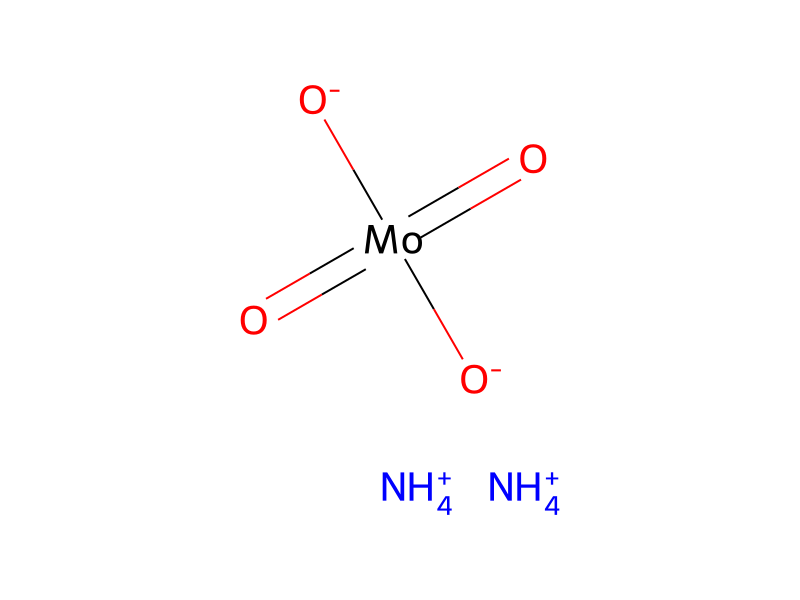
[CH3:1][O:2][C:3]([NH:5][CH:6]([CH:11]1[CH2:14][O:13][CH2:12]1)[C:7]([O:9]C)=[O:8])=[O:4].O.[OH-].[Li+:17].S(=O)(=O)(O)O.[Li+].[OH-]>C1COCC1.O.[NH4+].[NH4+].[O-][Mo]([O-])(=O)=O.CC(=O)OCC>[CH3:1][O:2][C:3]([NH:5][CH:6]([CH:11]1[CH2:12][O:13][CH2:14]1)[C:7]([O-:9])=[O:8])=[O:4].[Li+:17]Participants
Reactant 4




Product 1

Reagents, catalysts & solvents 4



Procedure
To methyl 2-(methoxycarbonylamino)-2-(oxetan-3-yl)acetate (50 mg, 0.246 mmol) in THF (2 mL) and water (0.5 mL) was added lithium hydroxide monohydrate (10.33 mg, 0.246 mmol). The resultant solution was allowed to stir overnight at ambient temperature. TLC (1:1 EA/Hex; Hanessian stain [1 g Ce(NH4)2SO4, 6 g ammonium molybdate, 6 ml sulfuric acid, and 100 ml water]) indicated ˜10% starting material remaining. Added an additional 3 mg LiOH and allowed to stir overnight at which time TLC showed no starting material remaining. Concentrated in vacuo and placed on high vac overnight providing 55 mg lithium 2-(methoxycarbonylamino)-2-(oxetan-3-yl)acetate as a colorless solid. 1H NMR (500 MHz, MeOD) δ ppm 3.39-3.47 (m, 1H) 3.67 (s, 3H) 4.28 (d, J=7.93 Hz, 1H) 4.64 (t, J=6.26 Hz, 1H) 4.68 (t, J=7.02 Hz, 1H) 4.73 (d, J=7.63 Hz, 2H).
Workup
- stirringto stir overnight at which time TLC
- concentrationConcentrated in vacuo
- waitplaced on high vac overnight
Sources & evidence
- ORD record
- ord-dacbc32bad1845e59e7866d55dd63815
- Source dataset
- uspto-grants-2013_01
- Patent number
- US08362020B2
Reaction notes
Loading…