4-Methylmorpholine → HCID 22050071, compound
Reaction equation

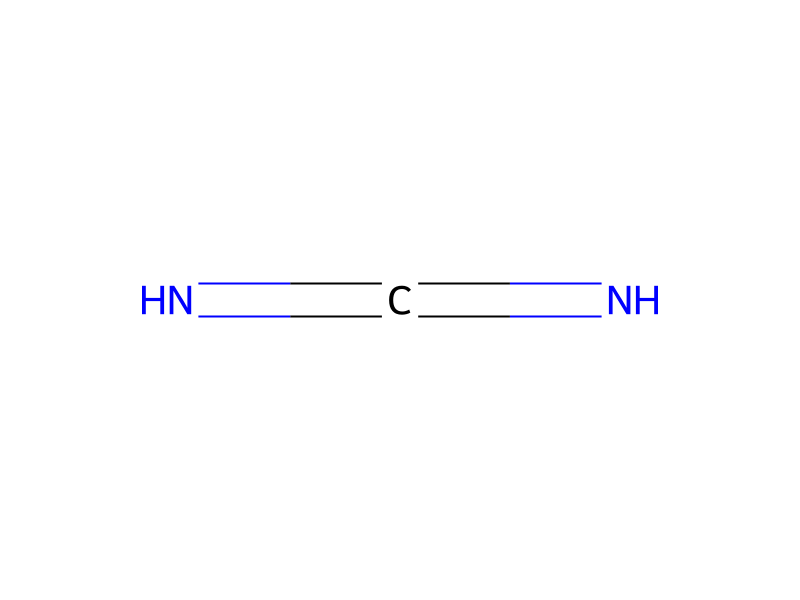
[CH3:1][O:2][CH2:3][C:4]([OH:6])=O.ON1C2C=CC=CC=2N=N1.CN1CCOCC1.N=C=N.[NH2:27][CH2:28][C:29]1[CH:30]=[C:31]([CH:52]=[CH:53][CH:54]=1)[CH2:32][N:33]1[C:38]([CH3:39])=[CH:37][C:36]([O:40][CH2:41][C:42]2[CH:47]=[CH:46][C:45]([F:48])=[CH:44][C:43]=2[F:49])=[C:35]([Br:50])[C:34]1=[O:51].CN=C=O>CN(C)C=O.O1CCCC1>[Br:50][C:35]1[C:34](=[O:51])[N:33]([CH2:32][C:31]2[CH:30]=[C:29]([CH:54]=[CH:53][CH:52]=2)[CH2:28][NH:27][C:4](=[O:6])[CH2:3][O:2][CH3:1])[C:38]([CH3:39])=[CH:37][C:36]=1[O:40][CH2:41][C:42]1[CH:47]=[CH:46][C:45]([F:48])=[CH:44][C:43]=1[F:49]Participants
Reactant 6





Product 1

Reagents, catalysts & solvents 2


Procedure
To a reaction vessel (borosilicate culture tube) was added methoxyacetic acid (0.09 g, 1.00 mmol) A stock solution of 1-hydroxybenzotriazole (3 mL, 0.16 M) and N-methylmorpholine (3 mL, 0.43 M) in N,N-dimethylformamide were added to the reaction vessel followed by approximately 0.97 g of the polymer bound carbodiimide resin (1.38 mmol/g). Additional N,N-dimethylformamide (3 mL) was then added to the reaction vessel. The parallel reaction apparatus was then orbitally shaken (Labline Benchtop Orbital Shaker) at approximately 200 RPM at room temperature for 4 hours. 1-[3-(aminomethyl)benzyl]-3-bromo-4-[(2,4-difluorobenzyl)oxy]-6-methylpyridin-2(1H)-one (EXAMPLE 161) (0.30 g, 0.668 mmol) was then added to the reaction vessel followed by additional N,N-dimethylformamide (5.0 mL) and the reaction apparatus was orbitally shaken at room temperature overnight. At this time the reaction was diluted with tetrahydrofuran (20 mL) and treated with approximately 2.06 g of polyamine resin (2.63 mmol/g) and approximately 2.67 g of methylisocyanate functionalized polystyrene (1.10 mmol/g) and the orbital shaking was continued at 200 RPM at room temperature for 4 hours. The reaction vessel was then opened and the solution phase products were separated from the insoluble quenched byproducts by filtration and collection into a vial. After partial evaporation the insoluble byproducts were rinsed with tetrahydrofuran (2×10 mL). The filtrate was evaporated by blowing N2 over the vial while heating (60° C.) in a reaction block (KEM-Lab Parallel Reactor) afforded a tan solid (0.321 g, 89.4%). 1H NMR (400 MHz, DMF-d6) δ 8.33 (br s, 1H), 7.81 (app q, J=7.85 Hz, 1H), 7.40-7.23 (m, 5H), 7.09 (d, J=7.25 Hz, 1H), 6.68 (s, 1H), 5.46 (s, 2H), 5.42 (s, 2H), 4.45 (d, J=6.24 Hz, 2H), 3.93 (s, 2H), 3.39 (s, 3H), 2.44 (s, 3H). ES-HRMS m/z 521.0891 (M+H C24H23BrF2N2O4 requires 521.0882).
Workup
- additionwere added to the reaction vessel
- stirringthe reaction apparatus was orbitally shaken at room temperature overnight
- stirringthe orbital shaking
- waitwas continued at 200 RPM at room temperature for 4 hours
- customthe solution phase products were separated from the insoluble quenched byproducts by filtration and collection into a vial
- customAfter partial evaporation the insoluble byproducts
- washwere rinsed with tetrahydrofuran (2×10 mL)
- customThe filtrate was evaporated
- temperatureheating (60° C.) in a reaction block (KEM-Lab Parallel Reactor)
Sources & evidence
- ORD record
- ord-466cd39349c44b488afc51940a692277
- Source dataset
- uspto-grants-2006_06
- Patent number
- US07067540B2
Reaction notes
Loading…