Sodium Thiosulfate → 1-Chloro-3-phenoxypropan-2-one
Reaction equation

[Cl:1][CH2:2][CH:3]([OH:12])[CH2:4][O:5][C:6]1[CH:11]=[CH:10][CH:9]=[CH:8][CH:7]=1.[Br-].[Na+].C(=O)([O-])O.[Na+].Cl[O-].[Na+].S([O-])([O-])(=O)=S.[Na+].[Na+]>CC1(C)N([O])C(C)(C)CCC1.O.C(OCC)(=O)C>[Cl:1][CH2:2][C:3](=[O:12])[CH2:4][O:5][C:6]1[CH:11]=[CH:10][CH:9]=[CH:8][CH:7]=1Participants
Reactant 5



Product 1

Reagents, catalysts & solvents 3


Procedure
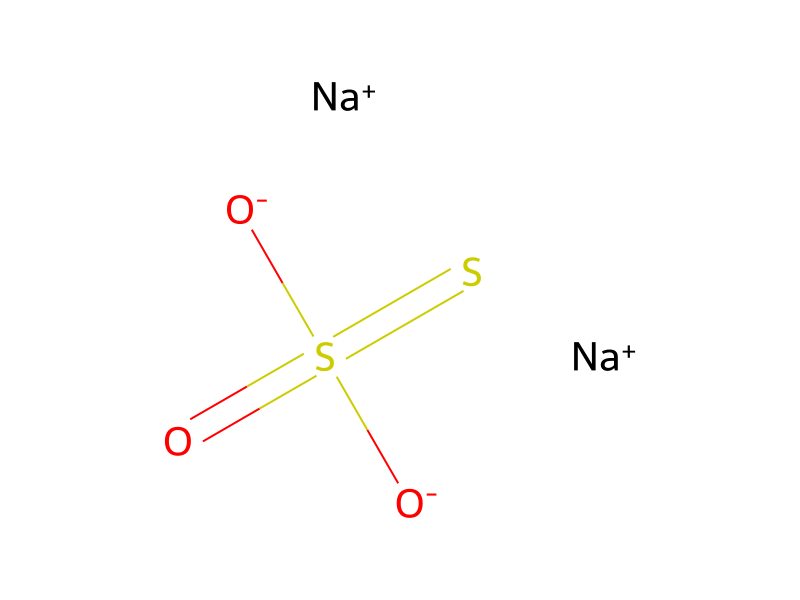
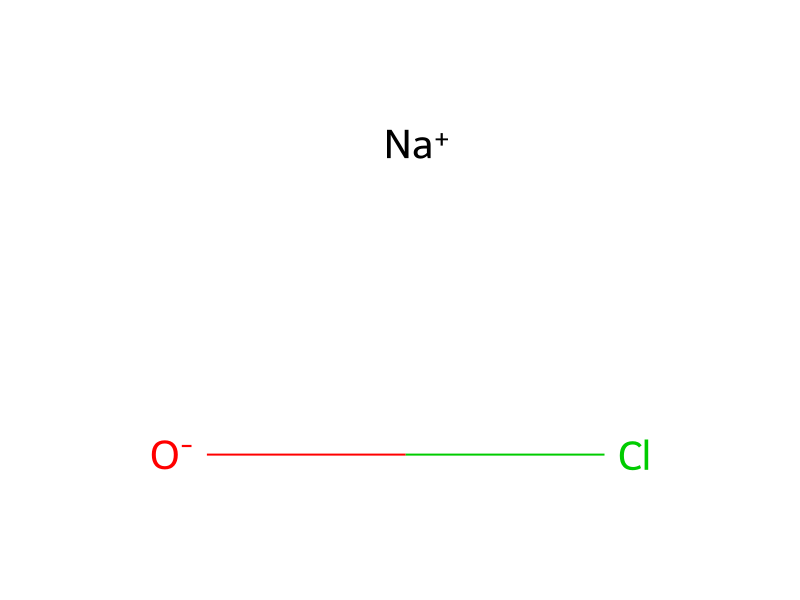
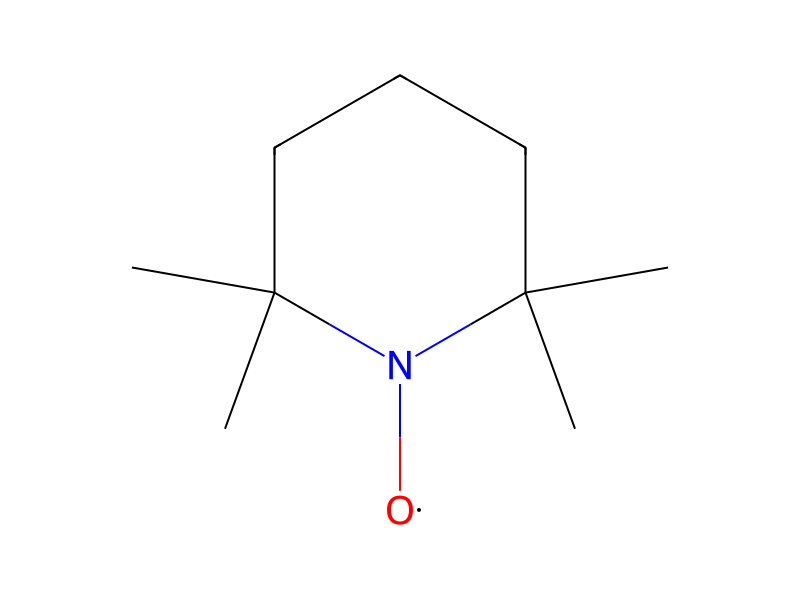
To the mixture consisting of 30 mmol (5.60 g) of 1-chloro-3-phenyloxy-2-propanol, 1.5 mmol (234 mg) of 2,2,6,6-tetramethylpiperidine-1-oxyl (TEMPO), 33 mmol (3.4 g) of sodium bromide, 90 mmol (7.50 g) of sodium hydrogencarbonate, 75 ml of ethyl acetate and 35 ml of water was added dropwise 47 mmol (32 g) of sodium hypochlorite aqueous solution (1.5 mmol/g) under cooling with ice. Temperature of the reaction system was about 4° C. and pH was about 8.5. After the dropping was completed, stirring was further continued for 30 minute. Thereto was added 20 ml of a 5% sodium thiosulfate aqueous solution and the organic layer was separated. The organic layer was dried over anhydrous sodium sulfate, filtered off and concentrated under reduced pressure to obtain a crude product. It was purified with silica gel column to obtain 4.51 g of 1-chloro-3-phenyloxy-2-propanon. The yield was 82%.
Workup
- temperatureunder cooling with ice
- customwas about 4° C.
- customthe organic layer was separated
- dry with materialThe organic layer was dried over anhydrous sodium sulfate
- filtrationfiltered off
- concentrationconcentrated under reduced pressure
- customto obtain a crude product
- customIt was purified with silica gel column
Sources & evidence
- ORD record
- ord-a16474fb0cba4821951c4e36778f52e8
- Source dataset
- uspto-grants-2004_01
- Patent number
- US06682916B2
Reaction notes
Loading…