Hydrochloric Acid → HCID 22475266, compound
Reaction equation

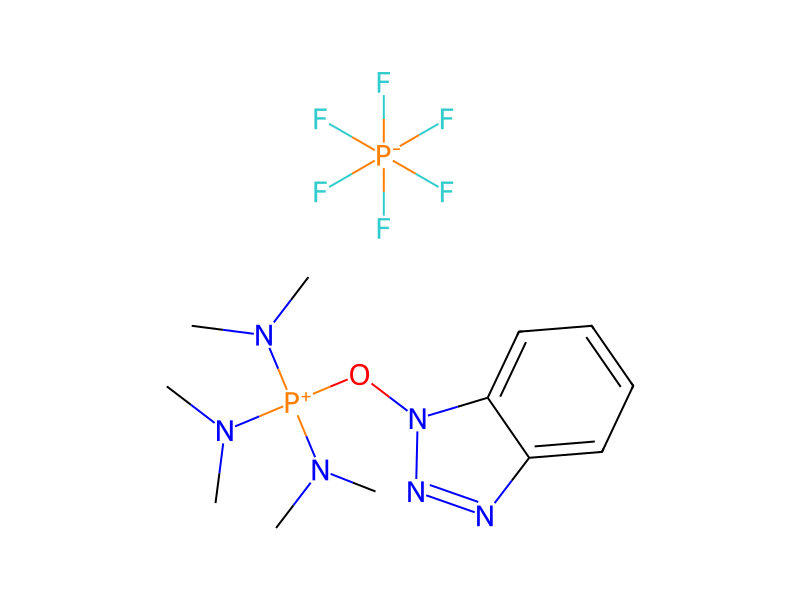
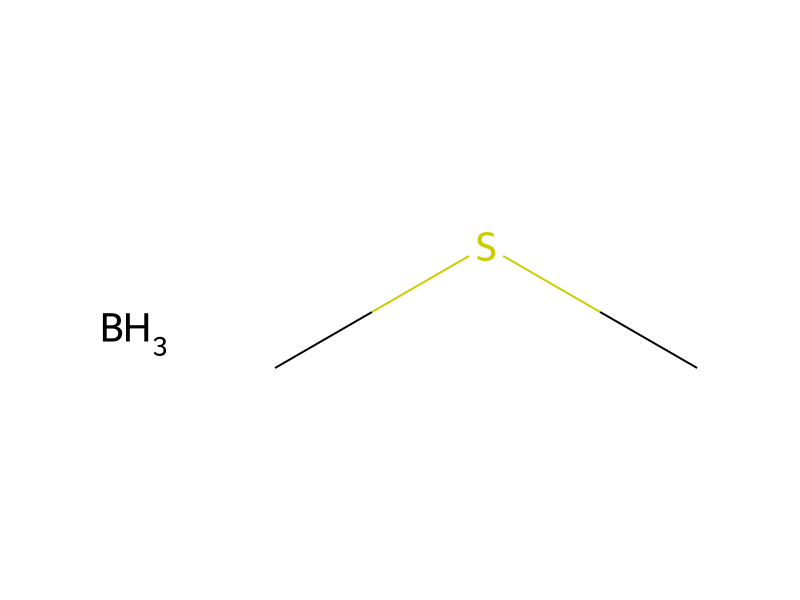
C[O:2][C:3]1[CH:4]=[C:5]([C:9]23[CH2:18][C:17]4[CH:19]=[CH:20][CH:21]=[CH:22][C:16]=4[CH2:15][C:14]2([CH3:23])[CH2:13][N:12](C)[CH2:11][CH2:10]3)[CH:6]=[CH:7][CH:8]=1.CN([P+](ON1N=NC2C=CC=CC1=2)(N(C)C)N(C)C)C.F[P-](F)(F)(F)(F)F.C(N(CC)CC)C.[C:59]1([CH2:65][C:66](O)=O)[CH:64]=[CH:63][CH:62]=[CH:61][CH:60]=1.CSC.B.Cl>C(OCC)C.O1CCCC1.CO.C1(C)C=CC=CC=1>[OH:2][C:3]1[CH:4]=[C:5]([C:9]23[CH2:18][C:17]4[CH:19]=[CH:20][CH:21]=[CH:22][C:16]=4[CH2:15][C:14]2([CH3:23])[CH2:13][N:12]([CH2:66][CH2:65][C:59]2[CH:60]=[CH:61][CH:62]=[CH:63][CH:64]=2)[CH2:11][CH2:10]3)[CH:6]=[CH:7][CH:8]=1Participants
Reactant 6




Product 1

Reagents, catalysts & solvents 4




Conditions
- Temperature
- 80 °C
Procedure
To 300 mg (0.93 mmol) intermediate (10) was added 5 mL dry toluene followed by heating to 80° C. To this was added 0.23 mL (1.86 mmol) distilled phenylchloroformate dropwise via syringe. A precipitate formed, and the mixture was heated at reflux for 5 h. The mixture was cooled to room temperature and washed 3 times with 1N NaOH and dried over sodium sulfate. 1H NMR of the crude mixture indicated that no starting material was present (no N-methyl signal at 2.25 ppm). The crude mixture was then dissolved in 4 mL glacial acetic acid and 4 mL 48% HBr. This was heated at reflux for 18 h followed by addition of water and methyl t-butyl ether (MTBE). The aqueous layer was removed and extracted two more times with MTBE to remove phenol. The aqueous layer was then pH adjusted to 10 using 50% NaOH and saturated sodium bicarbonate and extracted 3 times with 3:1 methylene chloride:tetrahydrofuran (THF) and the organic layer dried over sodium sulfate. Following removal of solvent, this highly polar material was dissolved in 15 mL THF, and to this was added 442 mg (1 mmol) BOP reagent, 0.4 mL triethylamine (2.2 mmol), and 136 mg (1 mmol) phenyl acetic acid. This was stirred for 3 h and then diluted with ethyl ether, 40 mL, and washed sequentially with 15 mL water, 1N HCl, saturated sodium bicarbonate, and brine. The solution was dried over sodium sulfate and the solvent removed on a rotary evaporator. The material was then dissolved in chloroform and filtered through silica gel to remove highly colored polar impurities to give 142 mg relatively clean material. 1H NMR of this crude material indicated the presence of rotamers typical of piperidine amides and urethanes. Reduction of this compound was accomplished by dissolving in dry THF followed by addition of 1.16 mL of 2M borane dimethylsulfide in THF. After heating for 3 h, the mixture was cooled to room temperature, and 2 mL methanol was added and stirred for 1 h. After this time, 1.16 mL 1N HCl in ether was added and stirred for 1 h. The solvent was then removed on a rotary evaporator and the crude mixture dissolved in chloroform, saturated sodium bicarbonate, and water. The pH was adjusted to 10 and the organic layer washed 3 times with water and then dried over sodium sulfate. The crude residue was chromatographed on silica gel using 0-10% MeOH in chloroform as eluent, and this material was crystallized from MeOH/ether as its HCl salt to give 55.8 mg of the desired material (0.137 mmol) or 2.2% overall yield. MP ° C. 255-265 (dec). Anal. Calcd for C28H32NOCl.0.5H2O: C, 75.91; H, 7.51; N, 3.16. Found: C, 75.93; H, 7.53; N, 3.17. 1H NMR (DMSO) δ 10.06 (br s, 1H); 9.34 (s, 1H); 7.30 (dd, 2H, J=8.1 Hz, 8.1 Hz); 7.22 (m, 5H); 7.15 (dd, 1H, J=7.7 Hz, 7.7 Hz); 7.08 (d, 1H, J=7.7 Hz); 6.63 (s, 1H); 6.62 (d, 1H, J=8.1 Hz); 6.55 (d, 1H, J=8.1 Hz); 3.59 (d, 1H, J=18.9 Hz); 3.50 (d, 1H, J=12.1 Hz); 3.32 (m, 4H); 3.11 (ddd, 1H, J=5.1 Hz, 12.1 Hz, 12.1 Hz); 3.02 (ddd, 1H, J=5.1 Hz, 12.1 Hz, 12.1 Hz); 2.87 (m, 3H); 2.50 (d, 1H, J=17.4); 2.42 (d, 1H, J=17.4); 1.62 (d, 1H, J=14.3); 1.08 (s, 3H). 13C NMR (DMSO) δ 156.72, 146.44, 137.23, 135.45, 133.38, 128.63, 128.59, 128.56, 128.52, 128.19, 126.71, 126.39, 125.72, 117.55, 114.33, 113.51, 57.27, 57.18, 48.22, 39.46, 38.66, 35.40, 35.21, 29.45, 28.59, 23.06.
Workup
- additionTo this was added 0.23 mL (1.86 mmol)
- distillationdistilled phenylchloroformate dropwise via syringe
- customA precipitate formed
- temperaturethe mixture was heated
- temperatureat reflux for 5 h
- temperatureThe mixture was cooled to room temperature
- washwashed 3 times with 1N NaOH
- dry with materialdried over sodium sulfate
- dissolutionThe crude mixture was then dissolved in 4 mL glacial acetic acid
- temperatureThis was heated
- temperatureat reflux for 18 h
- additionfollowed by addition of water and methyl t-butyl ether (MTBE)
- customThe aqueous layer was removed
- extractionextracted two more times with MTBE
- customto remove phenol
- extractionextracted 3 times with 3:1 methylene chloride
- dry with materialtetrahydrofuran (THF) and the organic layer dried over sodium sulfate
- customremoval of solvent
- dissolutionthis highly polar material was dissolved in 15 mL THF
- washwashed sequentially with 15 mL water, 1N HCl, saturated sodium bicarbonate, and brine
- dry with materialThe solution was dried over sodium sulfate
- customthe solvent removed on a rotary evaporator
- dissolutionThe material was then dissolved in chloroform
- filtrationfiltered through silica gel
- customto remove highly colored polar impurities
- customto give 142 mg relatively clean material
- temperatureAfter heating for 3 h
- temperaturethe mixture was cooled to room temperature
- stirringstirred for 1 h
- stirringstirred for 1 h
- customThe solvent was then removed on a rotary evaporator
- dissolutionthe crude mixture dissolved in chloroform
- washthe organic layer washed 3 times with water
- dry with materialdried over sodium sulfate
- customThe crude residue was chromatographed on silica gel using 0-10% MeOH in chloroform as eluent
- customthis material was crystallized from MeOH/ether as its HCl salt
Sources & evidence
- ORD record
- ord-1a5d680041da46c7a7b98668c126a7aa
- Source dataset
- uspto-grants-2003_03
- Patent number
- US06531481B2
Reaction notes
Loading…