Hydrochloric Acid → Ethyl 2-(4-chloro-2-fluorophenyl)-2-formylacetate
Reaction equation

[H-].[Na+].[Cl:3][C:4]1[CH:9]=[CH:8][C:7]([CH2:10][C:11]([O:13][CH2:14][CH3:15])=[O:12])=[C:6]([F:16])[CH:5]=1.[CH:17](OCC)=[O:18].Cl>O1CCCC1.O>[Cl:3][C:4]1[CH:9]=[CH:8][C:7]([CH:10]([CH:17]=[O:18])[C:11]([O:13][CH2:14][CH3:15])=[O:12])=[C:6]([F:16])[CH:5]=1Participants






Procedure
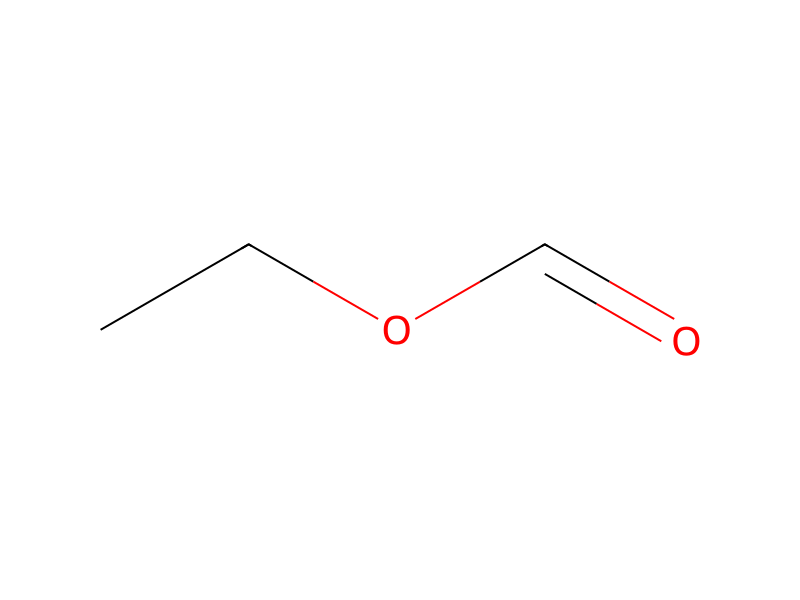
Then, 3.6 g of sodium hydride (60% in oil) was suspended in 120 ml of tetrahydrofuran, and the mixture was cooled to 5° C., to which a solution of 17.8 g of ethyl 4-choro-2-fluorophenylacetate in 120 ml of tetrahydrofuran was slowly added drop-wise. The mixture was stirred for 30 minutes with a gradual temperature increase to room temperature, to which 20 ml of ethyl formate was added at room temperature, followed by stirring for 3 hours. Then, the reaction mixture was cooled with ice, to which diluted aqueous hydrochloric acid was added. The reaction mixture was poured into water and extracted with ethyl acetate. The organic layer was washed with saturated sodium chloride solution, dried, and concentrated. The residue was subjected to silica gel column chromatography, which afforded 19.1 g of ethyl 2-(4-chloro-2-fluorophenyl)-2-formylacetate.
Workup
- additionwas added at room temperature
- stirringby stirring for 3 hours
- additionwas added
- extractionextracted with ethyl acetate
- washThe organic layer was washed with saturated sodium chloride solution
- customdried
- concentrationconcentrated
Sources & evidence
- ORD record
- ord-af3f328fd9524eb0bb67f082dbe348d7
- Source dataset
- uspto-grants-2000_08
- Patent number
- US06100257
Reaction notes
Loading…