Carbamate → Trifluoroacetic acid
Reaction equation

C([O:3][C:4]([C:6]1[CH:7]=[N:8][N:9]([C:15]2[N:20]=[C:19]([C:21]3[CH:47]=[CH:46][CH:45]=[C:44]([C:48]([F:51])([F:50])[F:49])[C:22]=3[O:23][CH2:24][C:25]3[CH:30]=[CH:29][C:28]([CH:31]4[CH2:36][CH2:35][N:34]([C:37]([O:39][C:40](C)(C)C)=[O:38])[CH2:33][CH2:32]4)=[CH:27][CH:26]=3)[CH:18]=[CH:17][N:16]=2)[C:10]=1[C:11]([F:14])([F:13])[F:12])=[O:5])C.[C:52]([OH:58])([C:54]([F:57])([F:56])[F:55])=[O:53].CCN(C(C)C)C(C)C.ClC(OC)=O.C(=O)([O-])N.[OH-].[Li+].Cl>C(Cl)Cl.O1CCOCC1.C(#N)C>[C:52]([OH:58])([C:54]([F:57])([F:56])[F:55])=[O:53].[CH3:40][O:39][C:37]([N:34]1[CH2:33][CH2:32][CH:31]([C:28]2[CH:27]=[CH:26][C:25]([CH2:24][O:23][C:22]3[C:44]([C:48]([F:49])([F:50])[F:51])=[CH:45][CH:46]=[CH:47][C:21]=3[C:19]3[CH:18]=[CH:17][N:16]=[C:15]([N:9]4[C:10]([C:11]([F:12])([F:13])[F:14])=[C:6]([C:4]([OH:5])=[O:3])[CH:7]=[N:8]4)[N:20]=3)=[CH:30][CH:29]=2)[CH2:36][CH2:35]1)=[O:38]Participants
Reactant 7




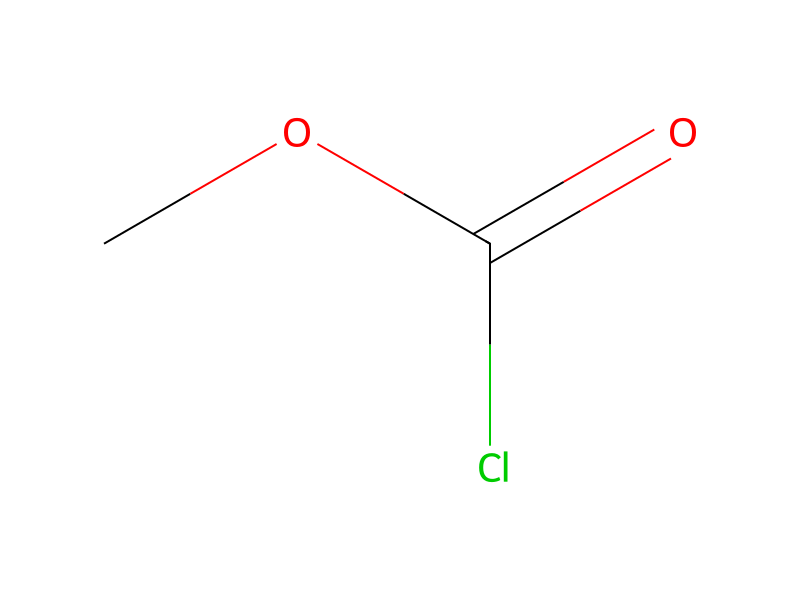


Product 2

Reagents, catalysts & solvents 3



Procedure
To a solution of the title compound from Example 167 Step C (198 mg, 0.30 mmol) in DCM (3 mL) was added TFA (0.5 mL). After 3 min, the reaction mixture was concentrated in vacuo, and the crude TFA salt was used without further purification: LCMS m/z 619.9 [M+1-1]+. To a portion of the crude TFA salt (−0.15 mmol) in DCM (1.5 mL) were added DIEA (262 μL, 1.50 mmol) and methyl chloroformate (34 μL, 0.45 mmol), and the resulting mixture was allowed to stir at room temperature. After 90 min, the reaction mixture was quenched by addition of sat aq NaHCO3 and the aqueous phase was extracted with DCM. The organic phase was separated and concentrated in vacuo to provide the crude carbamate, which was used without further purification: LCMS m/z 677.9 [M+H]+. To a solution of the carbamate in dioxane (2 mL) was added lithium hydroxide (1 mL, 2N aqueous, 2 mmol), and the mixture was stirred at 50° C. After 1 h, the reaction mixture was rendered acidic by addition of HCl (2N aqueous), then was diluted with acetonitrile and purified by reverse phase HPLC (30 to 100% acetonitrile/water, both 0.1% v/v TFA) to provide the title compound: LCMS m/z 649.9 [M+H]+; 1H NMR (500 MHz, d6-DMSO) δ 9.07 (d, J=5.5 Hz, 1H), 8.35 (s, 1H), 8.16 (d, J=5.5 Hz, 1H), 8.07 (dd, J=8.0, 1.5 Hz, 1H), 7.96 (dd, J=8.0, 1.5 Hz, 1H), 7.58 (t, J=8.0 Hz, 1H), 7.17 (d, J=8.5 Hz, 2H), 7.09 (d, J=8.5 Hz, 2H), 4.63 (s, 2H), 4.10-4.04 (m, 2H), 3.58 (s, 3H), 2.88-2.62 (m, 3H), 1.72-1.68 (m, 2H), 1.50-1.42 (m, 2H).
Workup
- concentrationthe reaction mixture was concentrated in vacuo
- customthe crude TFA salt was used without further purification
- waitAfter 90 min
- customthe reaction mixture was quenched by addition of sat aq NaHCO3
- extractionthe aqueous phase was extracted with DCM
- customThe organic phase was separated
- concentrationconcentrated in vacuo
- customto provide the crude carbamate, which
- customwas used without further purification
- stirringthe mixture was stirred at 50° C
- waitAfter 1 h
- custompurified by reverse phase HPLC (30 to 100% acetonitrile/water
Sources & evidence
- ORD record
- ord-47652c1bb78b4aeb8985b8f864cbdbdc
- Source dataset
- uspto-grants-2013_08
- Patent number
- US08507512B2
Reaction notes
Loading…