Trifluoroacetic acid → 4-(5-(2-Amino-pyridin-3-yl)isoxazol-3-ylmethyl)phenol
Reaction equation

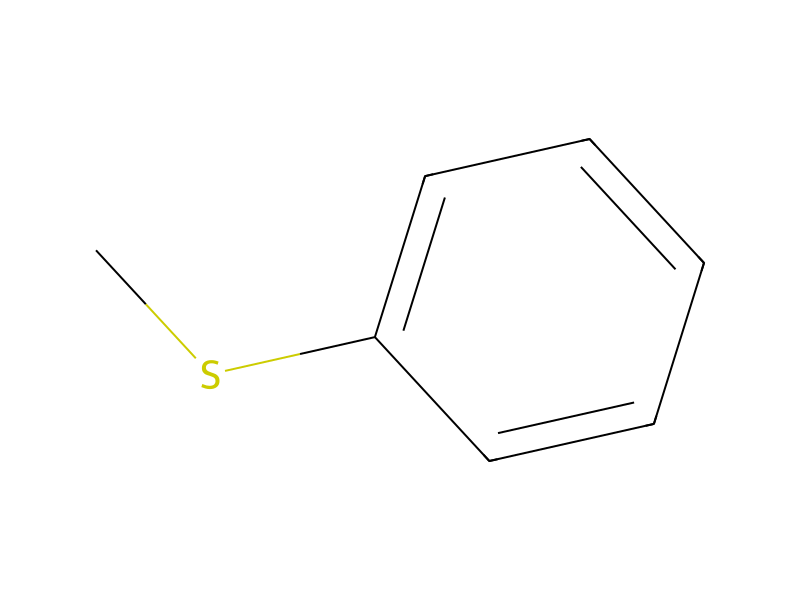
C([O:8][C:9]1[CH:27]=[CH:26][C:12]([CH2:13][C:14]2[CH:18]=[C:17]([C:19]3[C:20]([NH2:25])=[N:21][CH:22]=[CH:23][CH:24]=3)[O:16][N:15]=2)=[CH:11][CH:10]=1)C1C=CC=CC=1.FC(F)(F)C(O)=O.C1(SC)C=CC=CC=1.C(=O)([O-])O.[Na+]>C(OCC)(=O)C>[NH2:25][C:20]1[C:19]([C:17]2[O:16][N:15]=[C:14]([CH2:13][C:12]3[CH:26]=[CH:27][C:9]([OH:8])=[CH:10][CH:11]=3)[CH:18]=2)=[CH:24][CH:23]=[CH:22][N:21]=1Participants
6
Reactant 4



Product 1

Reagents, catalysts & solvents 1

Procedure
To a mixture of 3-(3-(4-benzyloxy-benzyl)-isoxazol-5-yl)-pyridin-2-ylamine (32 mg, 0.090 mmol) described in Example 1 and trifluoroacetic acid (1 mL) was added thioanisole (45 mg, 0.36 mmol) at room temperature, which was stirred for 2 hours at the same temperature. To a mixture of saturated aqueous sodium hydrogencarbonate solution and ethyl acetate was added the reaction mixture. The organic layer was separated and washed with saturated aqueous sodium chloride, and the solvent was evaporated under a reduced pressure. The residue was purified by silica gel column chromatography (ethyl acetate:heptane=4:1) to obtain the title compound (24 mg, 100%).
Workup
- additionwas added the reaction mixture
- customThe organic layer was separated
- washwashed with saturated aqueous sodium chloride
- customthe solvent was evaporated under a reduced pressure
- customThe residue was purified by silica gel column chromatography (ethyl acetate:heptane=4:1)
Sources & evidence
- ORD record
- ord-7647125cfee4493d8a85c18f91772554
- Source dataset
- uspto-grants-2013_08
- Patent number
- US08507530B2
Reaction notes
Loading…