Potassium Carbonate → 2-Chloro-3-cyclopropylmethyloxy-6-nitro toluene
Reaction equation

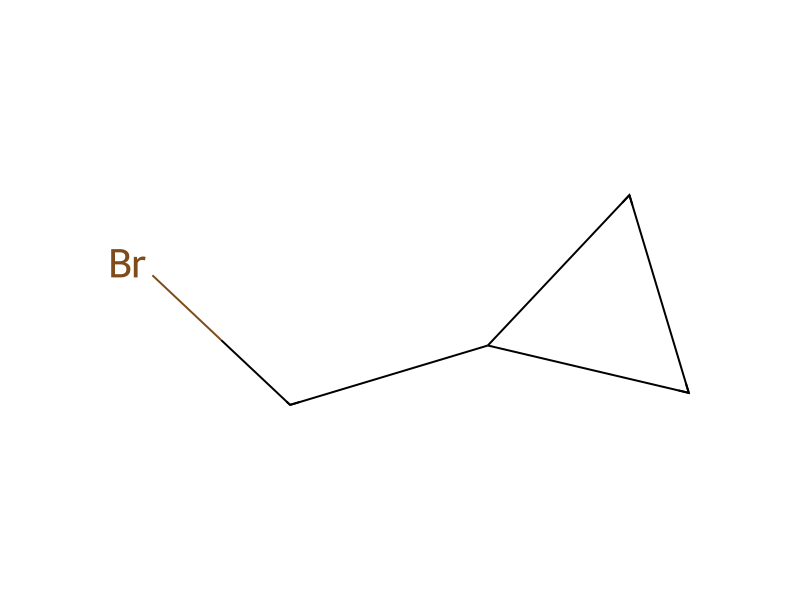
[Cl:1][C:2]1[C:7]([CH3:8])=[C:6]([N+:9]([O-:11])=[O:10])[CH:5]=[CH:4][C:3]=1[OH:12].Br[CH2:14][CH:15]1[CH2:17][CH2:16]1.C(=O)([O-])[O-].[K+].[K+]>CN(C=O)C>[Cl:1][C:2]1[C:3]([O:12][CH2:14][CH:15]2[CH2:17][CH2:16]2)=[CH:4][CH:5]=[C:6]([N+:9]([O-:11])=[O:10])[C:7]=1[CH3:8]Participants
5




Conditions
- Temperature
- 100 °C
Procedure
2-Chloro-3-methyl-4-nitrophenol (2.71 g) was reacted with bromomethylcyclopropane (3.89 g) in dry DMF (30 ml) in the presence of potassium carbonate (3.99 g), heating the mixture at 100° C. overnight. The DMF was evaporated in vacuo, and the residue was partitioned between 2M HCl and ethyl acetate. The organic extracts were combined and dried (MgSO4) and evaporated to give 2-chloro-3-cyclopropylmethyloxy-6-nitro toluene (3.26 g).
Workup
- customThe DMF was evaporated in vacuo
- customthe residue was partitioned between 2M HCl and ethyl acetate
- dry with materialdried (MgSO4)
- customevaporated
Sources & evidence
- ORD record
- ord-2d224f9831954103ac20201731685567
- Source dataset
- uspto-grants-1996_11
- Patent number
- US05571833
Reaction notes
Loading…