1-Chloro-2-nitrobenzene → HCID 20515473, compound
Reaction equation

Cl[C:2]1[CH:7]=[CH:6][CH:5]=[CH:4][C:3]=1[N+:8]([O-:10])=[O:9].[NH2:11][C:12]1[C:16]([CH3:17])=[C:15]([CH3:18])[N:14]([CH3:19])[C:13]=1[C:20]([O-:22])=[O:21].[K+:23].C(=O)([O-])[O-].[K+].[K+]>CN1CCCC1=O>[CH3:19][N:14]1[C:15]([CH3:18])=[C:16]([CH3:17])[C:12]([NH:11][C:2]2[CH:7]=[CH:6][CH:5]=[CH:4][C:3]=2[N+:8]([O-:10])=[O:9])=[C:13]1[C:20]([O-:22])=[O:21].[K+:23]Participants
5
Reactant 3
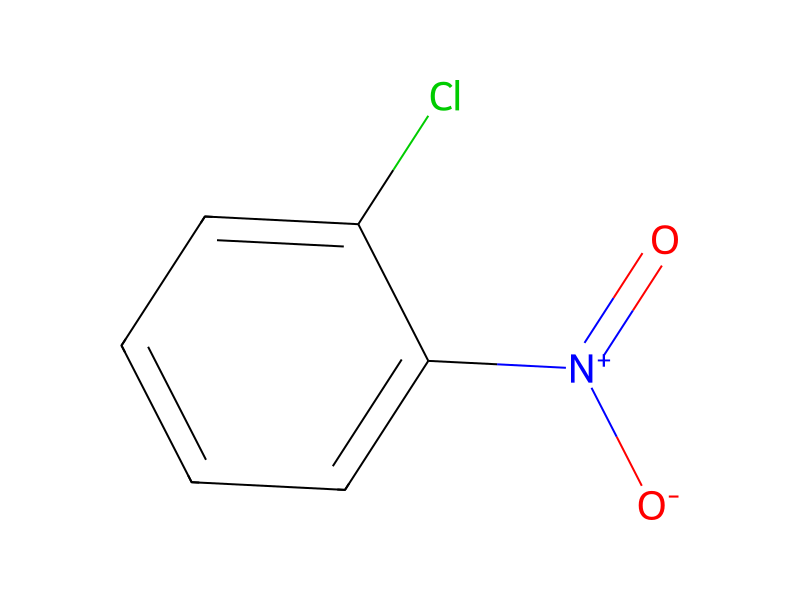


Product 1

Reagents, catalysts & solvents 1

Procedure
38 g of 1-chloro-2-nitrobenzene, 38.8 g of potassium 3-amino-1,4,5-trimethyl-1H-pyrrole-2-carboxylate (crude product from Example 2) and 36 g of ground potassium carbonate (particle size: 0.07 mm) are stirred in 120 ml of 1-methyl-2-pyrrolidone under nitrogen at an internal temperature of 140° C. After 12 hours, a further 3.3 g of 1-chloro-2-nitrobenzene are added. For working up, the mixture is filtered hot, and the residue on the filter is rinsed 3 times with 10 ml of hot (100° C.) 1-methyl-2-pyrrolidone each time. The combined filtrates are further processed without purification.
Workup
- filtrationthe mixture is filtered hot
- washthe residue on the filter is rinsed 3 times with 10 ml of hot (100° C.) 1-methyl-2-pyrrolidone each time
- customThe combined filtrates are further processed without purification
Sources & evidence
- ORD record
- ord-d6456c81717e4169914c428f497f2c1b
- Source dataset
- uspto-grants-1982_12
- Patent number
- US04363816
Reaction notes
Loading…