Hydrochloric Acid → (2,3-Difluorophenyl)boronic acid
Reaction equation

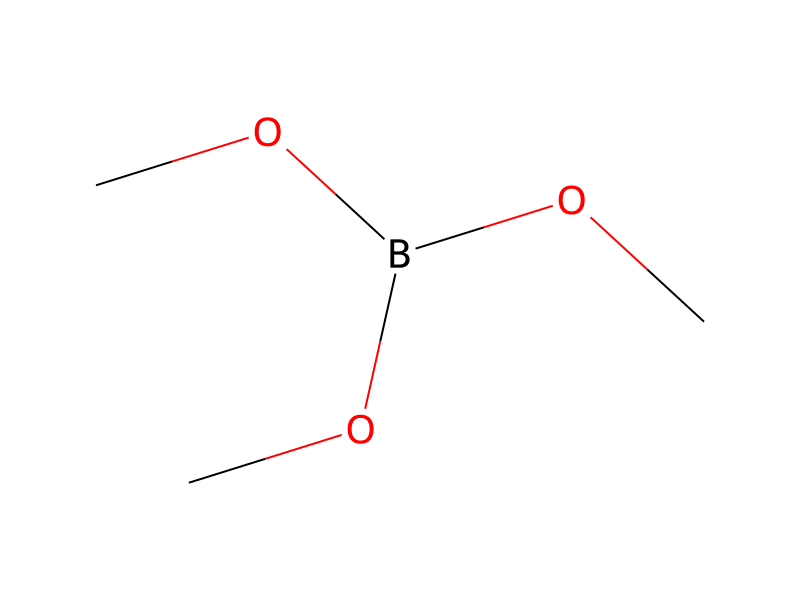
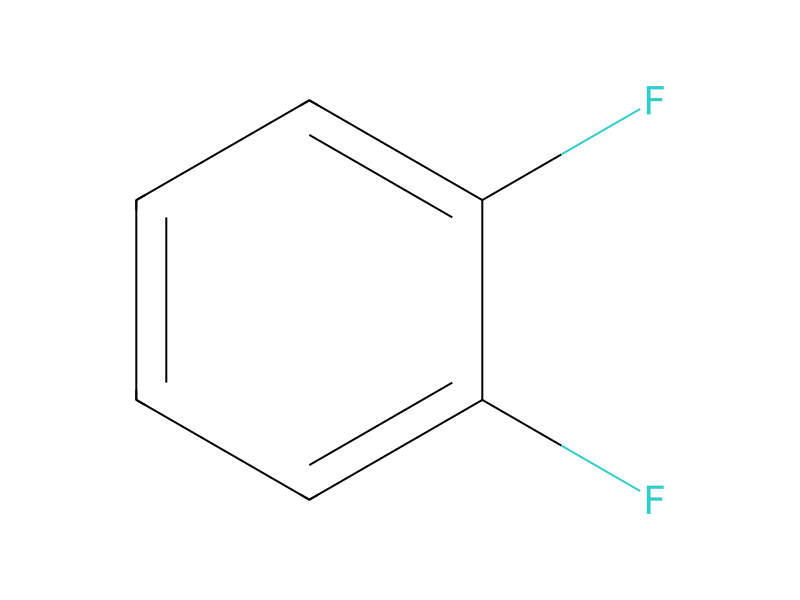
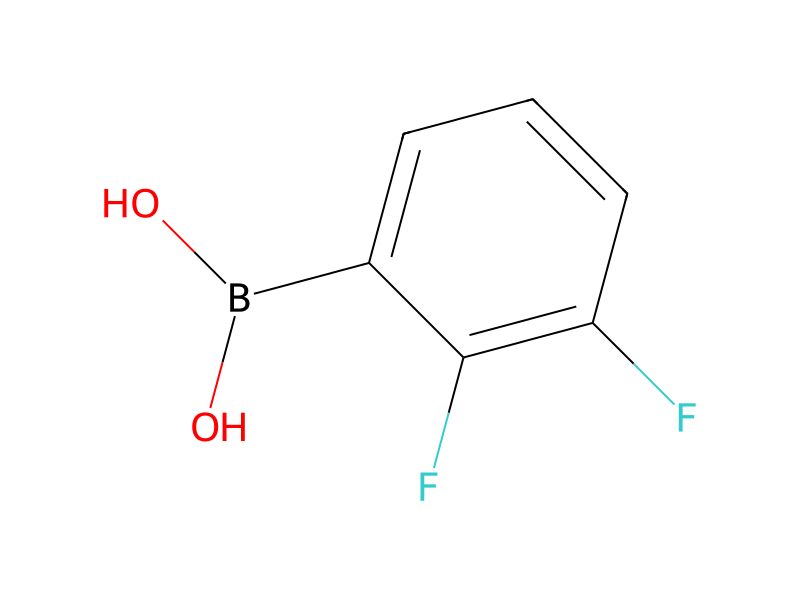
[F:1][C:2]1[CH:7]=[CH:6][CH:5]=[CH:4][C:3]=1[F:8].C([Li])CCC.[B:14](OC)([O:17]C)[O:15]C.Cl>C1(C)C=CC=CC=1.CCCCCC.O1CCCC1>[F:1][C:2]1[C:3]([F:8])=[CH:4][CH:5]=[CH:6][C:7]=1[B:14]([OH:17])[OH:15]Participants





Conditions
- Temperature
- -60 °C
Procedure
First, 100 g of 1,2-difluorobenzene and 350 ml of dehydrated tetrahydrofuran were put in an argon-replaced 2 flask, and cooled to −60° C. Then, 700 ml of a hexane solution containing n-butyllithium at a concentration of 1.6 mol/l was dropped into the resultant mixture while being stirred for two hours, and further stirred keeping the same temperature for another two hours. Subsequently, 175 g of trimethyl borate was dropped and stirred keeping the same temperature for one hour. The resultant mixture was left to gradually resume room temperature, stirred for eight hours, and again cooled to 0° C. The resultant reaction solution was poured into dilute hydrochloric acid to acidify the reaction solution. Toluene was then added, and the resultant toluene layer was washed with a saturated brine and dried with sodium sulfate. The solvent was then distilled off. The crystallized residue was immersed in a heated hexane solution and washed, to obtain 80.8 g of 2,3-difluorophenylboronic acid. The purity of the resultant compound was 99.5% as measured by HPLC.
Workup
- stirringfurther stirred
- customfor another two hours
- stirringstirred
- customfor one hour
- stirringstirred for eight hours
- temperatureagain cooled to 0° C
- customThe resultant reaction solution
- washthe resultant toluene layer was washed with a saturated brine
- dry with materialdried with sodium sulfate
- distillationThe solvent was then distilled off
- washwashed
Sources & evidence
- ORD record
- ord-ec4115cfe55047149cde2059f86897ed
- Source dataset
- uspto-grants-2002_05
- Patent number
- US06388146B1
Reaction notes
Loading…