1,3-Dibromopropane → 1-(2-Bromophenyl)cyclobutane-1-carbonitrile
Reaction equation

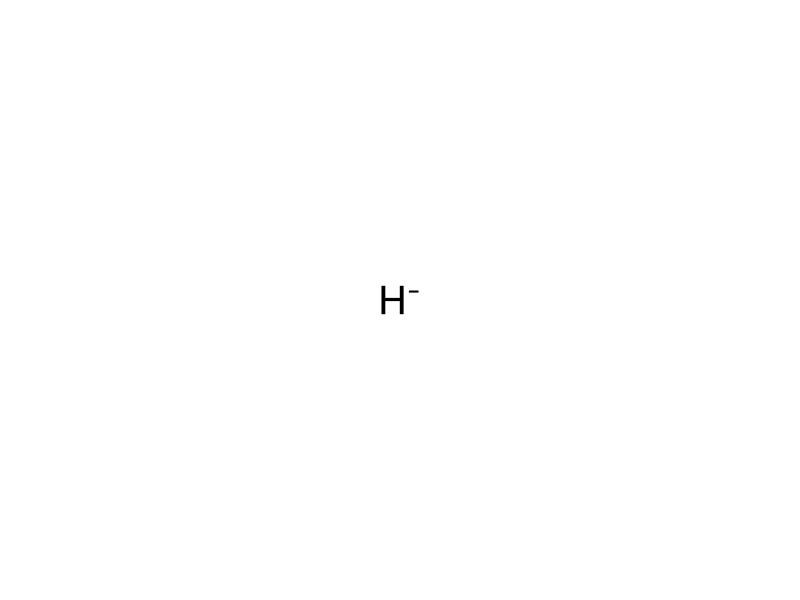
[H-].[Na+].[Br:3][C:4]1[CH:9]=[CH:8][CH:7]=[CH:6][C:5]=1[CH2:10][C:11]#[N:12].Br[CH2:14][CH2:15][CH2:16]Br.[H-]>CCCCC.CN(C=O)C.O>[Br:3][C:4]1[CH:9]=[CH:8][CH:7]=[CH:6][C:5]=1[C:10]1([C:11]#[N:12])[CH2:16][CH2:15][CH2:14]1Participants







Procedure
NaH (80% dispersion in mineral oil, 127 mmol) was washed several times with n-pentane and suspended in DMF (50 mL). A mixture of 2-bromophenylacetonitrile (51 mmol) and 1,3-dibromopropane (51 mmol) in DMF (50 mL) was added dropwise to the ice-cold mixture. The reaction mixture was stirred at room temperature for 3 h. Excess hydride was then decomposed by the cautious addition of H2O. Extraction with toluene, drying of the organic layer (MgSO4) and evaporation of the solvent afforded 1-(2-bromophenyl)-cyclobutanecarbonitrile that was refluxed with KOH (210 mmol) in ethyleneglycol (50 mL) for 4 h. The resulting solution was then allowed to cool to room temperature, toluene and H2O were added and the layers were separated. The aqueous layer was acidified and extracted with EtOAc. The organic layer was dried (MgSO4) and concentrated to provide the desired product. The yield was 8.5 g (65%); 1H NMR (CDCl3) δ 1.80-1.93 (m, 1H), 2.20-2.40 (m, 1H), 2.54-2.65 (m, 2H), 2.86-2.96 (m, 2H), 7.07-7.15 (m, 1H), 7.29-7.37 (m, 2H), 7.53 (d, 1H)
Workup
- extractionExtraction with toluene
- dry with materialdrying of the organic layer (MgSO4) and evaporation of the solvent
Sources & evidence
- ORD record
- ord-d58fc374977241669ba8383a257774d2
- Source dataset
- uspto-grants-2000_09
- Patent number
- US06124354
Reaction notes
Loading…