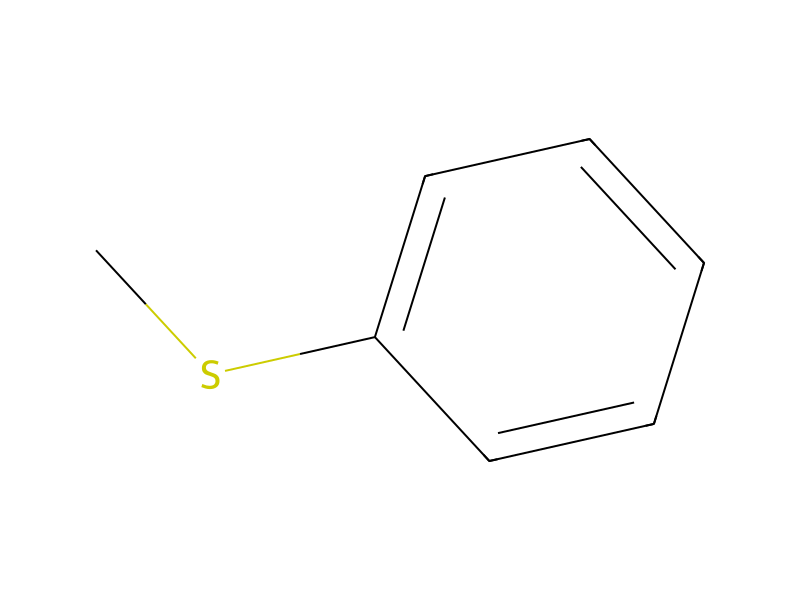
Thioanisole → N-(cyclopropylmethyl)-N-(5-(2-methoxyethoxy)-2-{5-[(1-oxidothiomorpholino)methyl]-4,5-dihydro-1,3-thiazol-2-yl}-1H-indol-7-yl)pyridine-2-sulfonamide
Reaction equation

C1(P(=[O:20])(C2C=CC=CC=2)C2C=CC=CC=2)C=CC=CC=1.FC(F)(F)S(OS(C(F)(F)F)(=O)=O)(=O)=O.C([S:43][CH:44]([CH2:77][N:78]1[CH2:83][CH2:82][S:81][CH2:80][CH2:79]1)[CH2:45][NH:46][C:47]([C:49]1[NH:50][C:51]2[C:56]([CH:57]=1)=[CH:55][C:54]([O:58][CH2:59][CH2:60][O:61][CH3:62])=[CH:53][C:52]=2[N:63]([CH2:73][CH:74]1[CH2:76][CH2:75]1)[S:64]([C:67]1[CH:72]=[CH:71][CH:70]=[CH:69][N:68]=1)(=[O:66])=[O:65])=O)C1C=CC=CC=1.C1(SC)C=CC=CC=1.C(=O)(O)[O-].[Na+]>ClCCl>[CH:74]1([CH2:73][N:63]([C:52]2[CH:53]=[C:54]([O:58][CH2:59][CH2:60][O:61][CH3:62])[CH:55]=[C:56]3[C:51]=2[NH:50][C:49]([C:47]2[S:43][CH:44]([CH2:77][N:78]4[CH2:83][CH2:82][S:81](=[O:20])[CH2:80][CH2:79]4)[CH2:45][N:46]=2)=[CH:57]3)[S:64]([C:67]2[CH:72]=[CH:71][CH:70]=[CH:69][N:68]=2)(=[O:65])=[O:66])[CH2:75][CH2:76]1Participants
Reactant 5



Product 1

Reagents, catalysts & solvents 1

Conditions
- Temperature
- 0 °C
Procedure
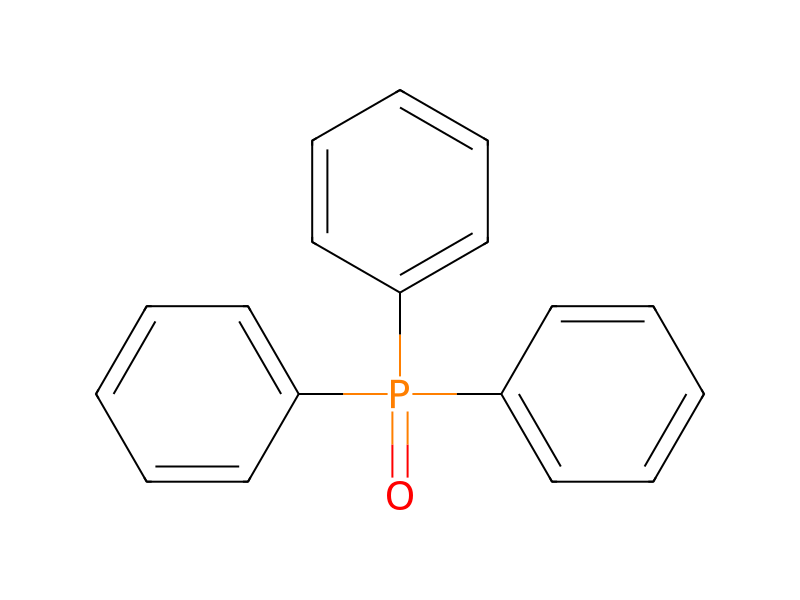
To a mixture of triphenylphosphine oxide (557 mg) and dichloromethane (1 mL) was added trifluoromethanesulfonic anhydride (0.17 mL) at 0° C., and the mixture was stirred at 0° C. for 15 min, followed by an addition of dichloromethane (3 mL). A mixture of N-[2-(benzylthio)-3-thiomorpholinopropyl]-7-[(cyclopropylmethyl)(pyridin-2-ylsulfonyl)amino]-5-(2-methoxyethoxy)-1H-indole-2-carboxamide (355 mg), thioanisole (0.12 mL) and dichloromethane (3 mL) was added thereto at 0° C., and the mixture was stirring at 0° C. for 10 min. Aqueous sodium bicarbonate solution was added to the reaction mixture, and the organic layer was separated. The organic layer was extracted with concentrated hydrochloric acid, and after basified with the aqueous layer with potassium carbonate, the whole mixture was extracted with ethyl acetate. The extract was washed with saturated brine, dried over anhydrous sodium sulfate, and filtered, and the filtrate was concentrated under reduced pressure. The residue was subjected to silica gel column chromatography to give the amorphous solid from a fraction eluted with ethyl acetate. To the mixture of the obtained amorphous solid, tetrahydrofurane (5 mL), ethanol (5 mL) and water (5 mL) was added OXONE (registered trade mark, 369 mg) at room temperature, and the mixture was stirred at room temperature for 1 hr. To the resulting mixture was added 10% aqueous sodium sulfite solution, and the mixture was extracted with a mixed solvent of ethyl acetate and tetrahydrofuran. The organic layer was washed with saturated brine, dried over anhydrous sodium sulfate, and filtered, and the filtrate was concentrated under reduced pressure. The residue was purified by preparative HPLC to give amorphous solid, which was crystallized from diisopropyl ether to give the title compound (146 mg, yield 47%) as colorless crystals.
Workup
- additionwas added
- stirringat 0° C., and the mixture was stirring at 0° C. for 10 min
- customthe organic layer was separated
- extractionThe organic layer was extracted with concentrated hydrochloric acid
- extractionthe whole mixture was extracted with ethyl acetate
- washThe extract was washed with saturated brine
- dry with materialdried over anhydrous sodium sulfate
- filtrationfiltered
- concentrationthe filtrate was concentrated under reduced pressure
- customto give the amorphous solid from a fraction
- washeluted with ethyl acetate
- additionTo the mixture of the obtained amorphous solid, tetrahydrofurane (5 mL), ethanol (5 mL) and water (5 mL)
- additionwas added OXONE (registered trade mark, 369 mg) at room temperature
- stirringthe mixture was stirred at room temperature for 1 hr
- additionTo the resulting mixture was added 10% aqueous sodium sulfite solution
- extractionthe mixture was extracted with a mixed solvent of ethyl acetate and tetrahydrofuran
- washThe organic layer was washed with saturated brine
- dry with materialdried over anhydrous sodium sulfate
- filtrationfiltered
- concentrationthe filtrate was concentrated under reduced pressure
- customThe residue was purified by preparative HPLC
- customto give amorphous solid, which
- customwas crystallized from diisopropyl ether
Sources & evidence
- ORD record
- ord-5b05a2d53112412eb824b96ef10973fe
- Source dataset
- uspto-grants-2013_04
- Patent number
- US08410087B2
Reaction notes
Loading…