Tetrahydrofuran → 4-(4-Bromo-benzyl)-thiomorpholine 1,1-dioxide
Reaction equation

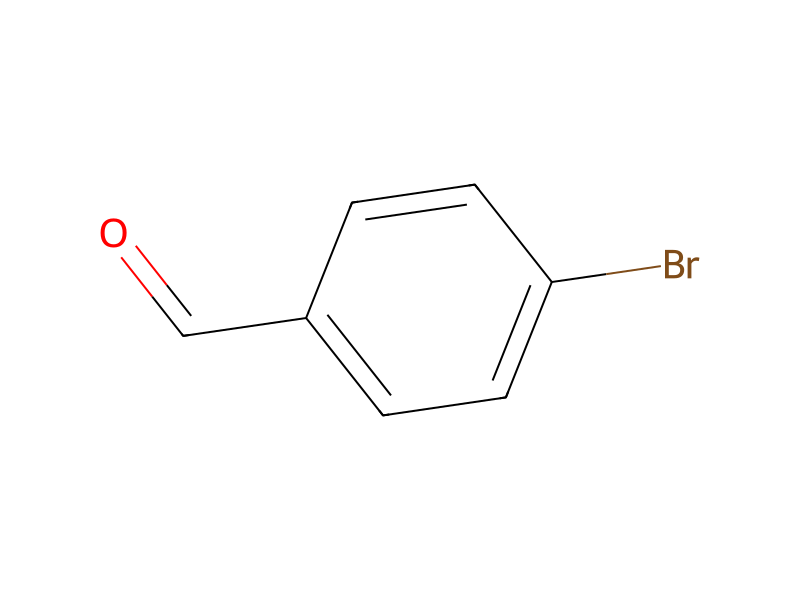
[Br:1][C:2]1[CH:9]=[CH:8][C:5]([CH:6]=O)=[CH:4][CH:3]=1.O1CCCC1.[NH:15]1[CH2:20][CH2:19][S:18](=[O:22])(=[O:21])[CH2:17][CH2:16]1.C(O[BH-](OC(=O)C)OC(=O)C)(=O)C.[Na+]>C(OCC)(=O)C>[Br:1][C:2]1[CH:9]=[CH:8][C:5]([CH2:6][N:15]2[CH2:20][CH2:19][S:18](=[O:22])(=[O:21])[CH2:17][CH2:16]2)=[CH:4][CH:3]=1Participants





Procedure
4-bromobenzaldehyde (150 mg, 0.811 mmol) was placed in a flask that was subsequently evacuated and backfilled with nitrogen (3×). Tetrahydrofuran (8107 μl) and thiomorpholine 1,1-dioxide (110 mg, 0.811 mmol) were then added and the reaction was allowed to stir at room temperature for 1 hour. Sodium triacetoxyborohydride (258 mg, 1.216 mmol) was weighed and quickly added to the solution (flask was uncapped during addition). The reaction was stirred at room temperature overnight. The reaction was diluted in ethyl acetate and washed with aqueous sodium bicarbonate. The organic layer was extracted and the aqueous layer was extracted 3× with ethyl acetate. All organics were combined, dried over magnesium sulfate, filtered, and concentrated under reduced pressure. The resulting solid was purified via HPLC to yield the title compound. LRMS (APCI) calc'd for C11H15BrNO2S [M+H]+: 304. Found: 304.
Workup
- customthat was subsequently evacuated
- additionquickly added to the solution (flask was uncapped during addition)
- stirringThe reaction was stirred at room temperature overnight
- washwashed with aqueous sodium bicarbonate
- extractionThe organic layer was extracted
- extractionthe aqueous layer was extracted 3× with ethyl acetate
- dry with materialdried over magnesium sulfate
- filtrationfiltered
- concentrationconcentrated under reduced pressure
- customThe resulting solid was purified via HPLC
Sources & evidence
- ORD record
- ord-5755c4dee89146cf948c44419f40270a
- Source dataset
- uspto-grants-2013_04
- Patent number
- US08420695B2
Reaction notes
Loading…