Ammonium Bicarbonate → HCID 21356419, compound
Reaction equation

[ClH:1].[CH:2]1[C:12]2[CH2:11][CH2:10][C:9]3[CH:13]=[CH:14][CH:15]=[CH:16][C:8]=3[C:7](=[CH:17][CH2:18][CH2:19][N:20]3[CH2:25][CH2:24][CH2:23][C@@H:22]([C:26](O)=[O:27])[CH2:21]3)[C:6]=2[CH:5]=[CH:4][CH:3]=1.O[N:30]1C2C=CC=CC=2N=N1.Cl.C(N=C=NCCCN(C)C)C.C(=O)([O-])O.[NH4+]>CN(C)C=O.C(OCC)(=O)C>[ClH:1].[CH:13]1[C:9]2[CH2:10][CH2:11][C:12]3[CH:2]=[CH:3][CH:4]=[CH:5][C:6]=3[C:7](=[CH:17][CH2:18][CH2:19][N:20]3[CH2:25][CH2:24][CH2:23][C@@H:22]([C:26]([NH2:30])=[O:27])[CH2:21]3)[C:8]=2[CH:16]=[CH:15][CH:14]=1Participants
Reactant 4
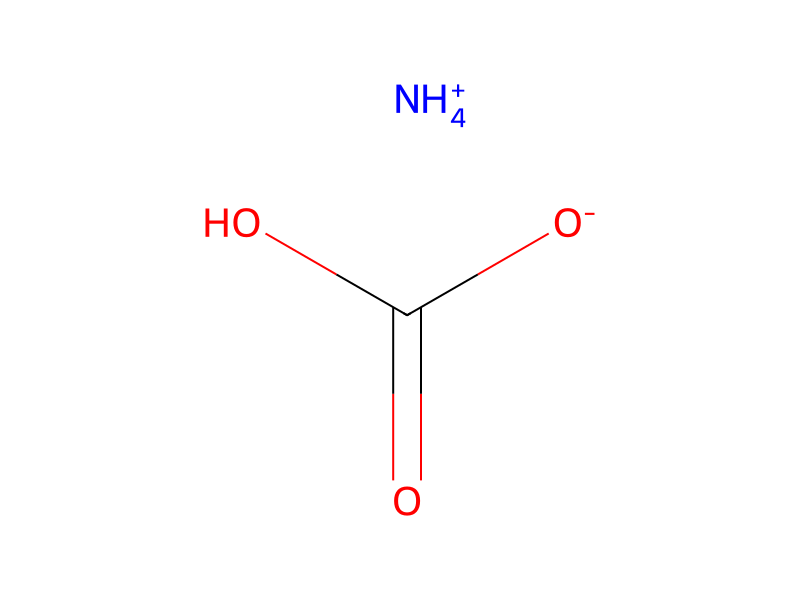



Product 1

Reagents, catalysts & solvents 2


Procedure
(R)-1-(3-(10,11-Dihydro-5H-dibenzo[a,d]cyclohepten-5-ylidene)-1-propyl)-3-piperidinecarboxylic acid hydrochloride (4.96 g, 12.5 mmol, prepared as described in WO 9518793) was dissolved in N,N-dimethylformamide (60 ml). N-Hydroxybenzotriazole (1.86 g, 13.8 mmol) and 1-ethyl-3-(3-dimethylamino-propyl)carbodiimide hydrochloride (2.64 g, 13.8 mmol) were added, and the resulting mixture was stirred at room temperature for 20 minutes. Ammonium hydrogencarbonate (1.98 g, 25 mmol) was added and the mixture was stirred 1 day at room temperature. Ethyl acetate (200 ml) was added and the resulting mixture was extracted with water (200 ml), 5% aqueous citric acid (200 ml), and saturated sodium hydrogencarbonate (200 ml). The combined aqueous phases were evaporated to dryness in vacuo and the residue was extracted with dichloromethane (200 ml). The resulting dichloromethane suspension was filtered and evaporated. The residue was purified by column chromatography on silica gel (600 ml) using a mixture of ethyl acetate and triethyl amine (95:5) as eluent. This afforded 1.92 g (43%) of the free base as an oil, which was converted to the hydrochloride by dissolution in diethyl ether (25 ml) and addition of 1 N hydrochloric acid in diethyl ether (5.9 ml). Filtration followed by drying in vacuo, afforded 1.53 g, (31%) of the title compound as a solid.
Workup
- stirringthe mixture was stirred 1 day at room temperature
- extractionthe resulting mixture was extracted with water (200 ml), 5% aqueous citric acid (200 ml), and saturated sodium hydrogencarbonate (200 ml)
- customThe combined aqueous phases were evaporated to dryness in vacuo
- extractionthe residue was extracted with dichloromethane (200 ml)
- filtrationThe resulting dichloromethane suspension was filtered
- customevaporated
- customThe residue was purified by column chromatography on silica gel (600 ml)
- additiona mixture of ethyl acetate and triethyl amine (95:5) as eluent
- dissolutionThis afforded 1.92 g (43%) of the free base as an oil, which was converted to the hydrochloride by dissolution in diethyl ether (25 ml)
- additionaddition of 1 N hydrochloric acid in diethyl ether (5.9 ml)
- filtrationFiltration
- customby drying in vacuo
Sources & evidence
- ORD record
- ord-476c916f03a04113a917c604960de5e3
- Source dataset
- uspto-grants-2001_05
- Patent number
- US06239148B1
Reaction notes
Loading…