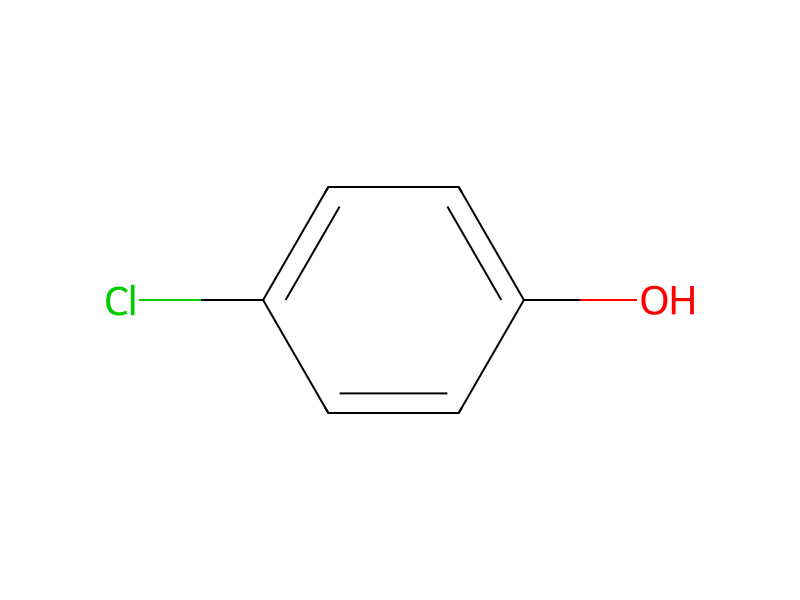
4-Chlorophenol → HCID 16063515, compound
Reaction equation

[H-].[Na+].[Cl:3][C:4]1[CH:9]=[CH:8][C:7]([OH:10])=[CH:6][CH:5]=1.Br[CH2:12][C:13]1[N:17]([CH3:18])[N:16]([C:19]2[CH:24]=[CH:23][CH:22]=[CH:21][CH:20]=2)[C:15](=[O:25])[C:14]=1[CH:26]([CH3:28])[CH3:27]>CN(C=O)C.O.CCOC(C)=O>[Cl:3][C:4]1[CH:9]=[CH:8][C:7]([O:10][CH2:12][C:13]2[N:17]([CH3:18])[N:16]([C:19]3[CH:24]=[CH:23][CH:22]=[CH:21][CH:20]=3)[C:15](=[O:25])[C:14]=2[CH:26]([CH3:28])[CH3:27])=[CH:6][CH:5]=1Participants






Procedure
To a suspension of sodium hydride (0.023 g of a 50% dispersion in mineral oil) in DMF (2 mL) at 0° C. was added 4-chlorophenol (0.042 g). To this was added a solution of 5-bromomethyl-4-isopropyl-1-methyl-2-phenyl-1,2-dihydro-pyrazol-3-one (0.10 g) in DMF (1 mL) and the reaction mixture was allowed to stir at ambient temperature for 18 hours. The reaction was then diluted with water and EtOAc. The phases were separated and the aqueous was extracted with further EtOAc. The combined organic phases were washed with further brine and dried with sodium sulfate. Filtration and evaporation of the volatiles in vacuo and purification of the residue via ISCO Combiflash chromatography (using EtOAc/heptane) afforded the 5-(4-chloro-phenoxymethyl)-4-isopropyl-1-methyl-2-phenyl-1,2-dihydro-pyrazol-3-one (0.020 g) as a light yellow solid. MS (ESI+): 357.1 [M+H]+).
Workup
- customThe phases were separated
- extractionthe aqueous was extracted with further EtOAc
- washThe combined organic phases were washed with further brine
- dry with materialdried with sodium sulfate
- filtrationFiltration and evaporation of the volatiles
- customin vacuo and purification of the residue via ISCO Combiflash chromatography (using EtOAc/heptane)
Sources & evidence
- ORD record
- ord-a569a7feda4c498888bc35dfca4a2c46
- Source dataset
- uspto-grants-2010_01
- Patent number
- US07652057B2
Reaction notes
Loading…